
General information on carnivorous plants
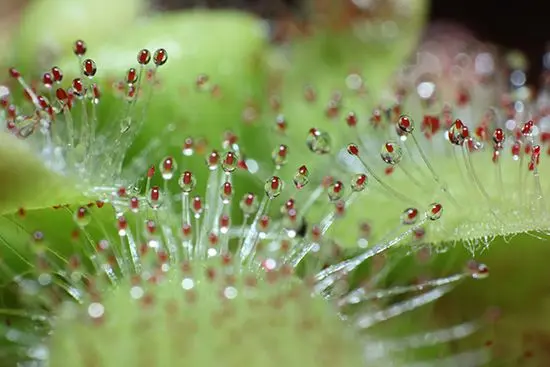
What is a carnivorous plant?
To be classified as ‘carnivorous’, a plant must possess the following capabilities:
- The ability to capture living creatures from the animal kingdom, whether insects, gastropods, arachnids or even small mammals…
- The ability to break them down, at least partially, using enzymes produced by the plant or by bacteria,
- The ability to assimilate the nutrients resulting from this decomposition for nutritional purposes.
These faculties are inseparable: for example, if a plant merely captures insects using sticky hairs, that does not make it a carnivorous plant! Moreover, research is still ongoing into certain plants, whose carnivorous nature remains a matter of debate. Indeed, many plants manage to trap insects in their foliage, but the production of enzymes and the assimilation of nutrients are not always easy to observe!
Today, more than 700 plants are officially recognised as carnivorous in the strict sense of the term.
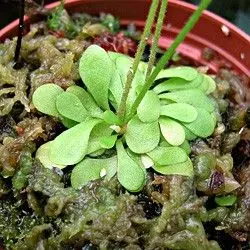
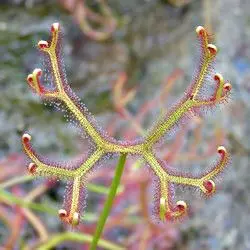
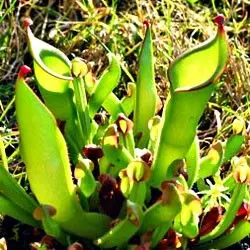
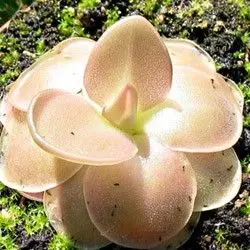
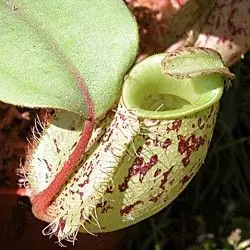
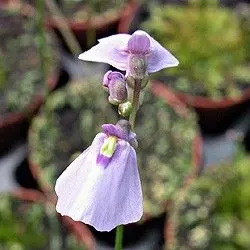
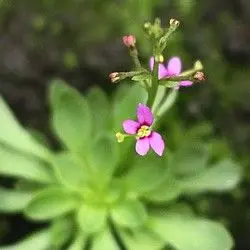
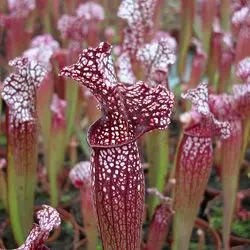
The different genera of carnivorous plants

How do you grow carnivorous plants at home?
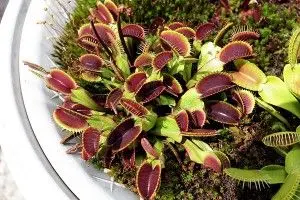
How can you recognise and control diseases and pests affecting carnivorous plants?
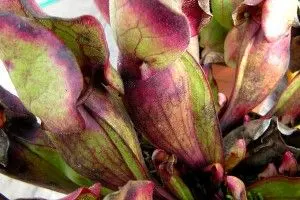
When should you repot a carnivorous plant?
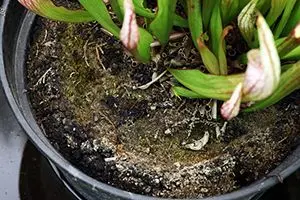
How do you pollinate a Sarracenia?
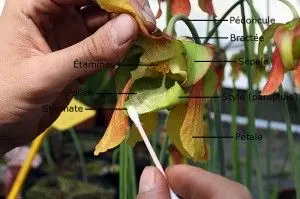
Frequently Asked Questions about Carnivorous Plants
What is sphagnum moss and what is it used for?
Sphagnum is a moss that grows in peat bogs. As it decomposes, it forms light-coloured peat. In horticulture, both live and dead sphagnum moss are used, and it offers numerous benefits. As a growing medium, it provides an aerated, cool environment that retains water well. The icing on the cake is that its acidity reduces the risk of disease. Live sphagnum moss is also used as a top-dressing to increase moisture levels and maintain a certain degree of freshness. Sometimes, dead sphagnum moss regrows thanks to spores.
Can I water my carnivorous plants with tap water?
This is strongly discouraged! Tap water usually contains limescale and chlorine, which carnivorous plants do not like. You can use rainwater, demineralised water (sold in 5-litre bottles in supermarkets) or tap water filtered through a reverse osmosis system.
What growing medium should I use when repotting my carnivorous plants?
Potting compost is far too rich in nutrients for a carnivorous plant. In such a growing medium, they will wither away very quickly. You should use a mixture of light-coloured peat and materials that provide drainage and aeration, or sphagnum moss and bark for Nepenthes, for example. Garden soil should also be avoided.
How much light do carnivorous plants need?
Sunlight is the best source of light for plants. However, it is not always possible to grow carnivorous plants in direct sunlight due to constraints such as space, climate, window orientation, etc. In such cases, turbo-neon lights are an ideal substitute for natural light, thanks to their balanced colour spectrum and excellent value for money.
Do I need to feed my carnivorous plants?
There’s no need to feed them; the few insects they catch are more than enough to keep them healthy. Let nature take its course.
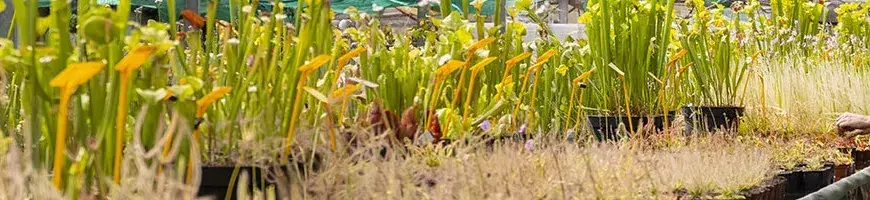
For sale in the Karnivores shop
Love Carnivorous plants? Don't miss our plants and exclusive offers in the online shop.
Read next
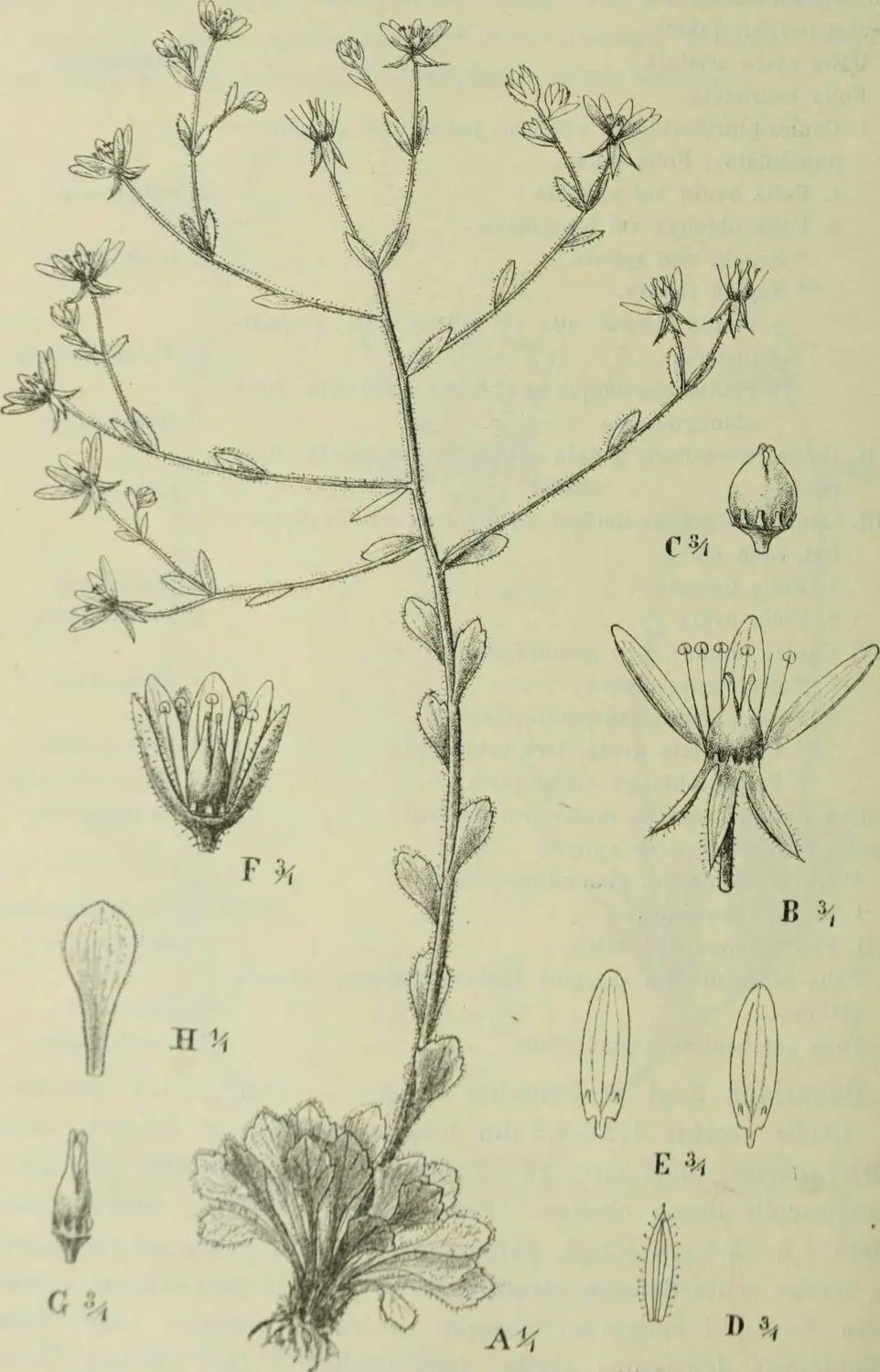
Saxifraga candelabrum: the flowering plant that confirms a 150-year-old hypothesis by Darwin
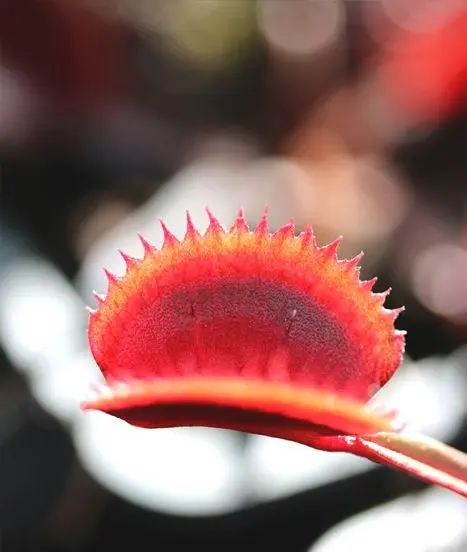
How does the Venus flytrap detect its prey? A 2025 study sheds light on its ‘sixth sense’
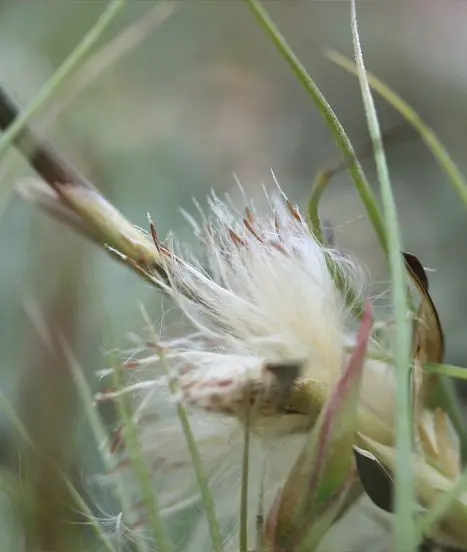
Growing Tillandsia from seed: a comprehensive guide to successful germination
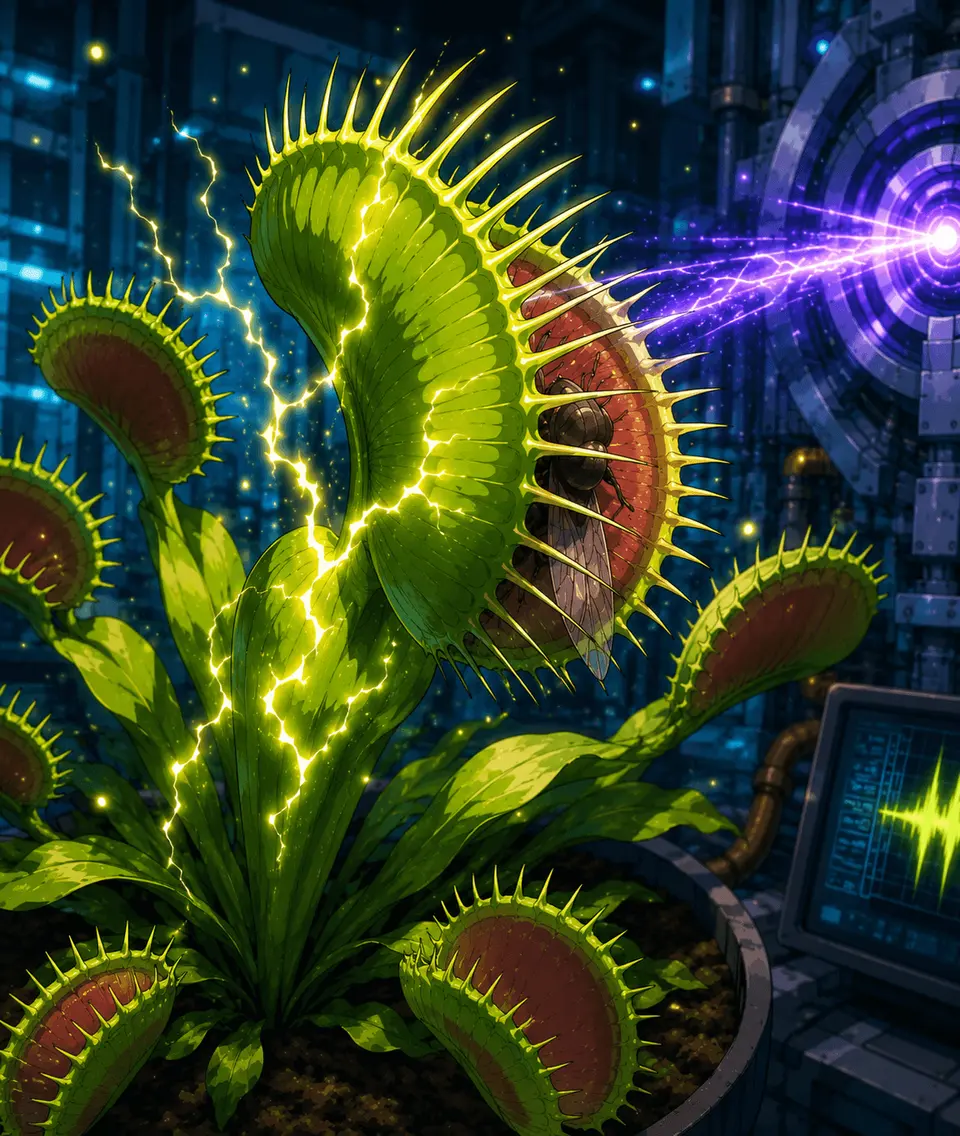
Do Dionisian traps run on electricity?
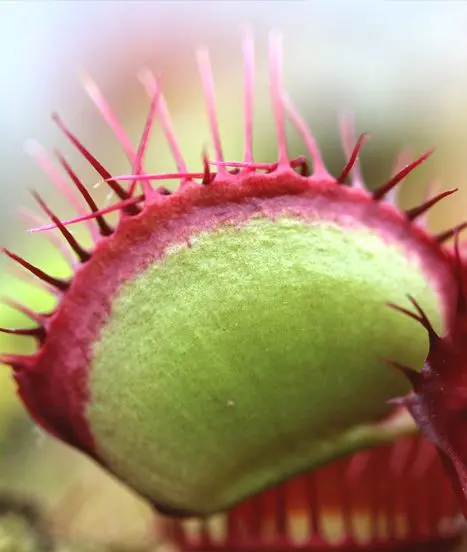
How carnivorous plants digest their prey
Which plants can you grow on xaxim?