
How carnivorous plants digest their prey
General principles and how Sarracenia plants work
Introduction
Carnivorous plants constitute a distinct group of plants capable of capturing animal prey to supplement their nutrition. This strategy has evolved primarily in nutrient-poor environments, where nitrogen and phosphorus are scarce in the soil.
Plant carnivory involves three main stages: the capture of prey, its extracellular digestion and the absorption of the released nutrients. Whilst the capture mechanisms are often spectacular and well known, the digestive processes remain less visible but play an essential role in the nutrition of these plants.
Carnivorous plants now comprise several hundred species spread across various families, each having developed its own specific capture and digestion strategies. This article first outlines the general principles of digestion in carnivorous plants, before focusing on the functioning of the genus Sarracenia, whose pitchers constitute a remarkable plant digestive system.
For a general overview of the different types of carnivorous plants and their traps, you can also consult our guide to carnivorous plants.
How digestion works in carnivorous plants
In carnivorous plants, digestion is an extracellular process. Unlike animals, which digest their food within an internal digestive system, these plants break down their prey outside their tissues, using leaves that have been adapted into traps.
These specialised leaves secrete various digestive enzymes capable of breaking down the tissues of captured insects. Among the most common enzymes are proteases, phosphatases and nucleases. These enzymes convert the prey’s organic macromolecules into assimilable nutrients.
The released nutrients, notably nitrogen and phosphorus, are then absorbed by the leaf tissues. These nutrients are subsequently redistributed throughout the plant and contribute to its growth.
In some cases, digestion is carried out mainly by the plant itself. In other systems, microorganisms present in the trap may also contribute to the breakdown of the prey.
Different digestive strategies in carnivorous plants
Carnivorous plants have developed a wide variety of trap structures, resulting in different modes of digestion depending on the genus.
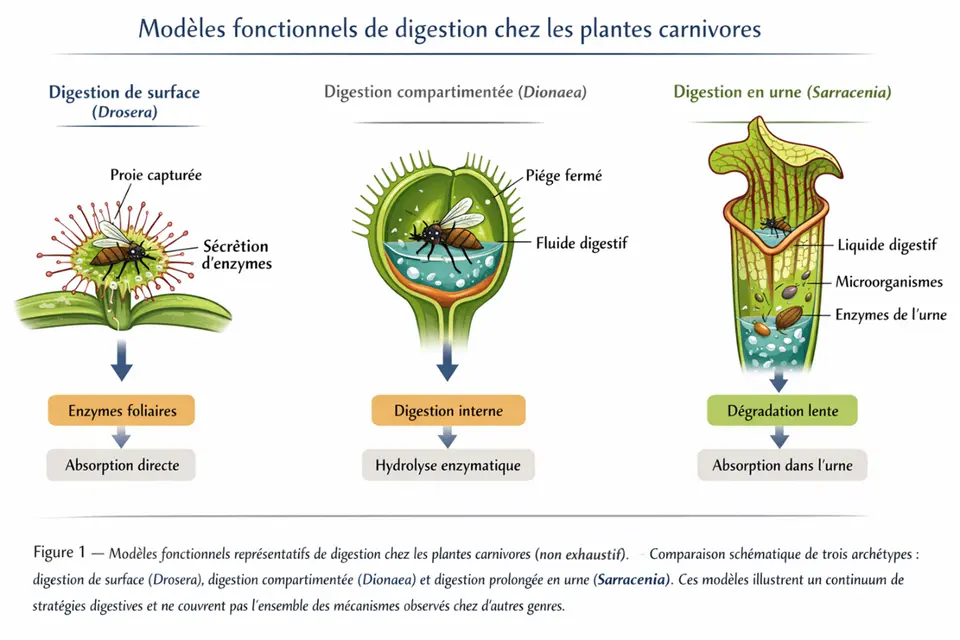
In Drosera, for example, digestion takes place directly on the surface of the leaves. The glandular tentacles produce a sticky mucilage that immobilises insects and also secrete digestive enzymes. The nutrients resulting from the breakdown of the prey are then absorbed by the leaf.
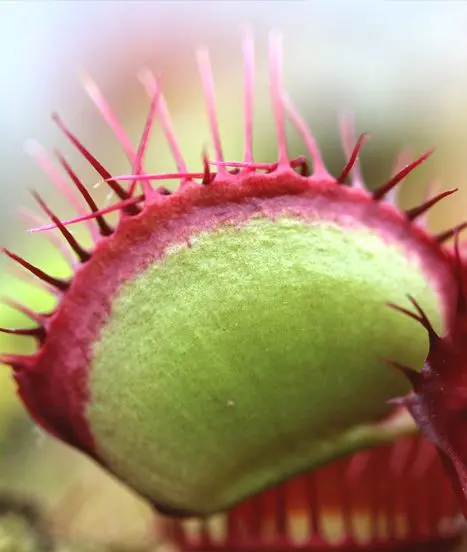
In *Dionaea* *muscipula*, the famous Venus flytrap, digestion takes place in a temporary chamber. Once the trap has closed, an enzyme-rich digestive fluid is secreted inside the closed leaf. Digestion lasts several days before the trap reopens.
The genus Sarracenia operates on a different principle. The leaves are transformed into permanent urns capable of holding a digestive fluid. Captured insects fall into the urn and are gradually broken down in this liquid environment.
How do Sarracenia pitchers work?
Sarracenias are carnivorous plants native to North America. Their leaves are transformed into vertical urns capable of capturing a wide variety of insects.
These pitchers have different functional zones. The upper part attracts insects through the production of nectar and colours that are often highly conspicuous. The inner walls of the pitcher are slippery, preventing insects from climbing back out once they have fallen into the trap.
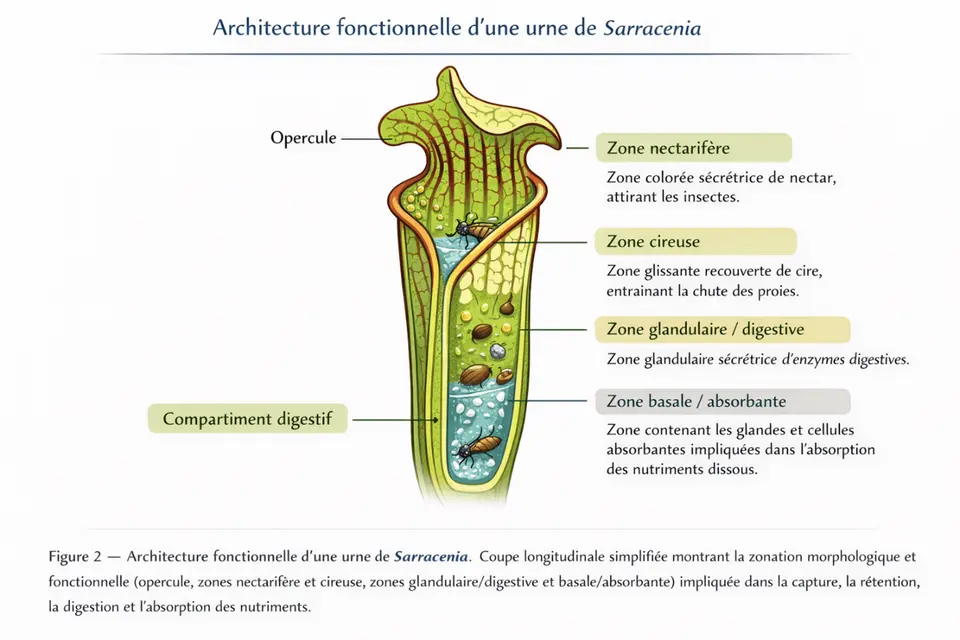
The lower part of the urn contains the digestive fluid and the glands responsible for digestion and the absorption of nutrients. This structure transforms the urn into a veritable plant digestive compartment.
The digestive fluid in the pitchers
The fluid found in Sarracenia pitcher plants consists of a mixture of rainwater, secretions produced by the plant and substances resulting from the breakdown of prey.
This fluid generally has an acidic pH, which promotes enzymatic activity and the gradual breakdown of the captured insects’ tissues. Its composition may vary depending on the age of the pitcher and the number of prey present.
Unlike some active traps, digestion in Sarracenia’s pitcher takes place slowly and can last for several days, or even several weeks.
The role of enzymes and microorganisms
Sarracenias directly produce several digestive enzymes, notably proteases and phosphatases. These enzymes are secreted by glands located in the lower part of the pitcher.
However, the digestive fluid also harbours a microbial community comprising bacteria and protozoa. These microorganisms also contribute to the breakdown of prey.
Digestion within the pitchers therefore relies on a system combining the plant’s enzymatic activity with the action of the microorganisms present in the fluid.
Nutrient absorption
Once the prey’s tissues have been broken down, the nutrients released into the digestive fluid are absorbed by the glandular tissues of the urn.
Nutrients, particularly nitrogen and phosphorus, are then transported throughout the plant via the vascular system. This source of nutrients enables Sarracenias to thrive in environments where the soil is very poor.
Conclusion
Digestion in carnivorous plants relies on extracellular digestive mechanisms that convert captured prey into assimilable nutrients. These processes may be carried out by the plant itself or supplemented by the activity of associated microorganisms.
The genus Sarracenia exemplifies a particularly original strategy based on permanent pitchers that function as true plant digestive compartments. Digestion within them results from the combined action of enzymes produced by the plant and microbial activity present in the pitcher’s fluid.
These adaptations enable carnivorous plants to survive and thrive in environments where the nutrients available in the soil are extremely limited.
If you’d like to explore the subject further, you can also read our articles on the different types of traps found in carnivorous plants or on the growing conditions for Sarracenia.
For sale in the Karnivores shop
Love Carnivorous plants? Don't miss our plants and exclusive offers in the online shop.
Read next
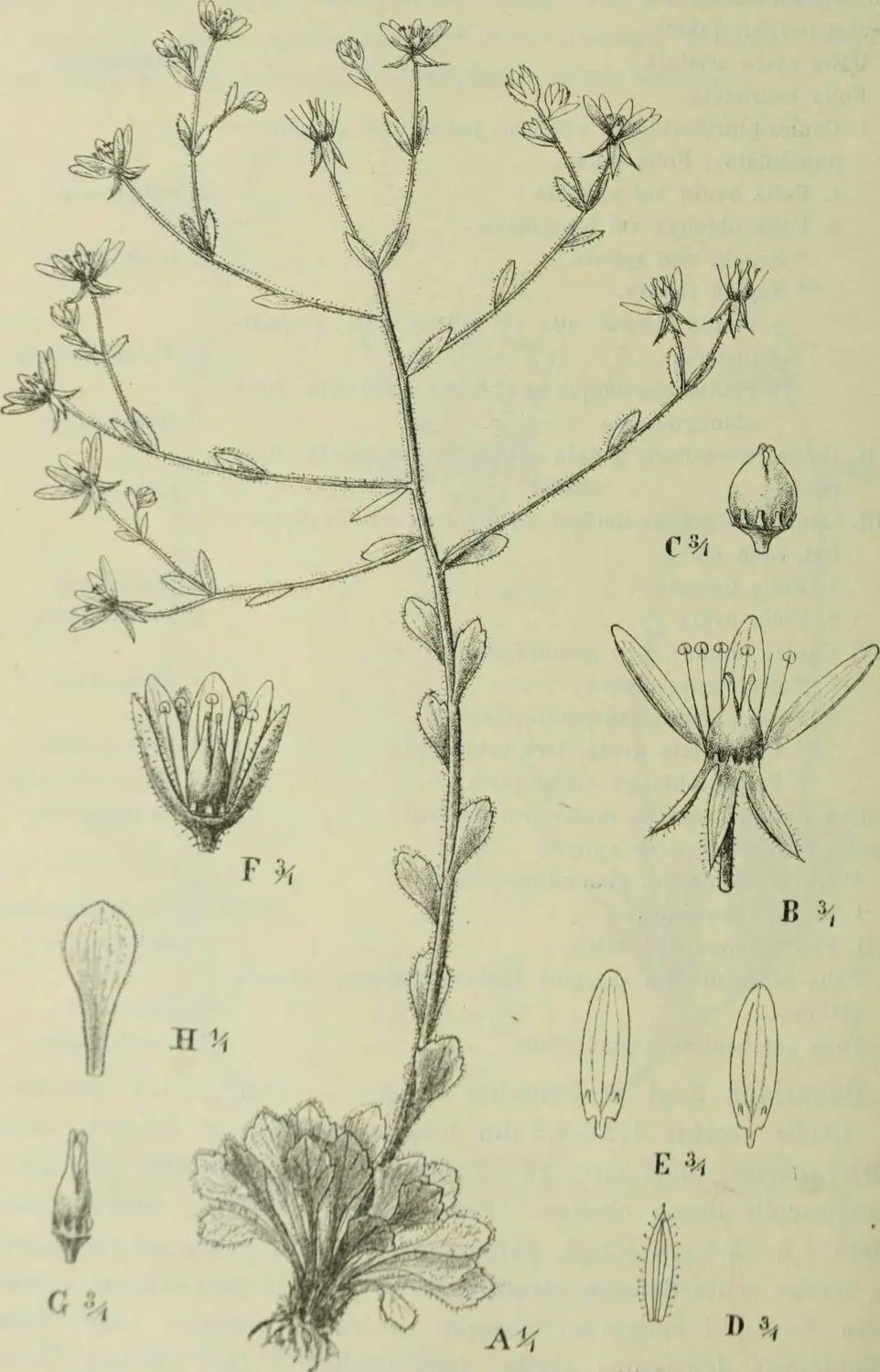
Saxifraga candelabrum: the flowering plant that confirms a 150-year-old hypothesis by Darwin
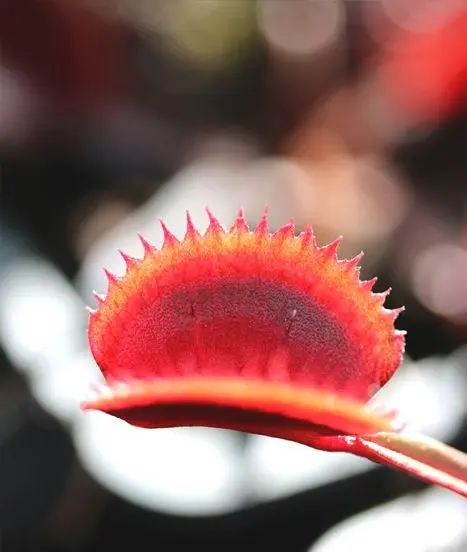
How does the Venus flytrap detect its prey? A 2025 study sheds light on its ‘sixth sense’
Growing Tillandsia from seed: a comprehensive guide to successful germination
Do Dionisian traps run on electricity?
Which plants can you grow on xaxim?
When should you sow seeds of carnivorous plants?