
Which plants can you grow on xaxim?

Xaxim is a very popular growing medium for terrariums, paludariums and tropical greenhouses. Made from the fibres of tree ferns, it offers an airy structure, excellent moisture retention and an ideal surface for the roots of many epiphytic or semi-epiphytic plants to take hold.
However, not all plants are suited to this type of growing medium. Some thrive remarkably well in it, whilst others quickly show signs of stress. Here is an overview of the plants best suited to growing on xaxim, organised into broad botanical groups.
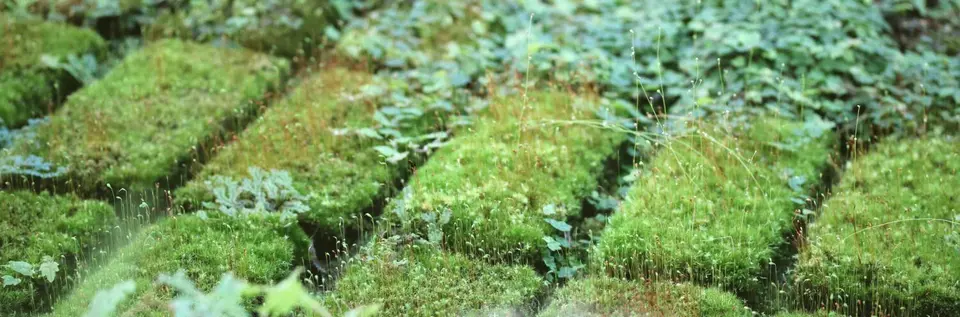
Bryophytes and non-vascular plants
Mosses are often the first plants to colonise the xaxim. Their ability to take root without a proper root system makes them ideal candidates.
On constantly damp xaxim, tropical or temperate mosses establish themselves quickly, forming a living carpet and helping to maintain stable humidity levels. They are frequently used in combination with ferns.
Liverworts and certain sphagnum mosses can also thrive there, provided there is sufficient light and the water used is low in minerals.
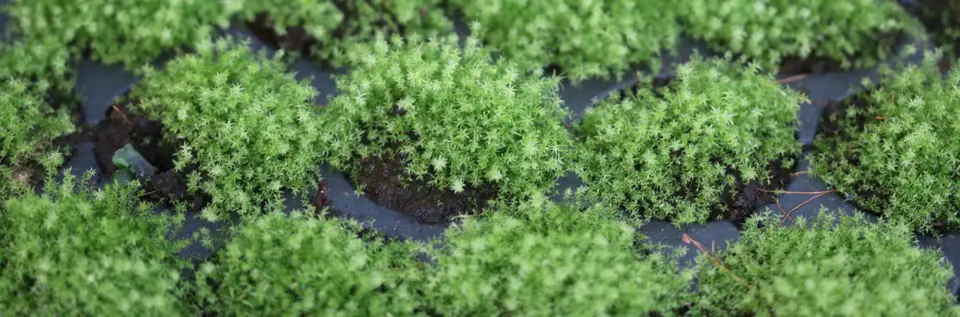
Pteridophytes: ferns and related plants
The xaxim has historically been associated with the cultivation of ferns, and this is no coincidence. Many tropical ferns thrive on a vertical, moist and well-ventilated support.
Genera such as Asplenium, Pyrrosia, Microsorum and certain Davallia species take root very well in the fibres of xaxim. Young plants in mini-balls or grown in vitro are particularly well-suited, as their roots quickly colonise the substrate.
At karnivores.com, these ferns are often offered as additions to terrariums, where they serve both an aesthetic and a functional purpose.
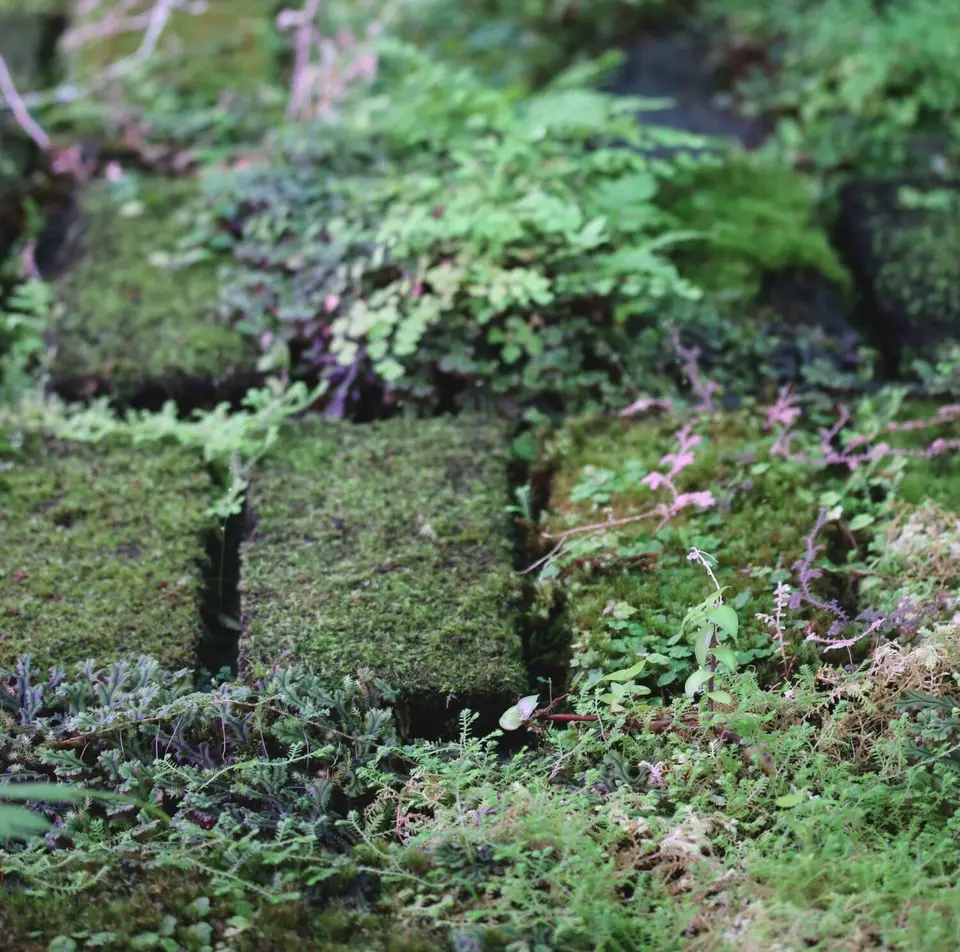
Epiphytic and semi-epiphytic angiosperms
Certain tropical flowering plants, particularly small epiphytic species, thrive on xaxim.
Genera such as Peperomia, Marcgravia, Solanum, Ficus quercifolia, various Selaginella species and certain compact Araceae can be planted directly onto the substrate, provided that a constant level of humidity is maintained. Their gradual rooting allows for a durable attachment without suffocation.
These plants are often used to visually structure a plant display around carnivorous plants, without competing directly with them.
Carnivorous plants suited to xaxim
Certain carnivorous plants are among the best candidates for cultivation on xaxim, particularly those with epiphytic or climbing growth habits.
Small to medium-sized Nepenthes are particularly well-suited to this. Their fine roots thrive in the constant humidity and aeration provided by the growing medium. In terrariums or greenhouses, the Nepenthes available from karnivores.com are frequently grown on xaxim, where they develop a healthy root system and grow steadily.
Certain epiphyticUtricularia, particularly those grown for their foliage and flowers, can also colonise the surface of xaxim, provided it remains thoroughly moist.
Conversely, strictly terrestrial carnivorous plants such as Dionaea, Sarracenia or temperate Drosera are not suited to this medium, as they require an acidic, loose and constantly waterlogged substrate.
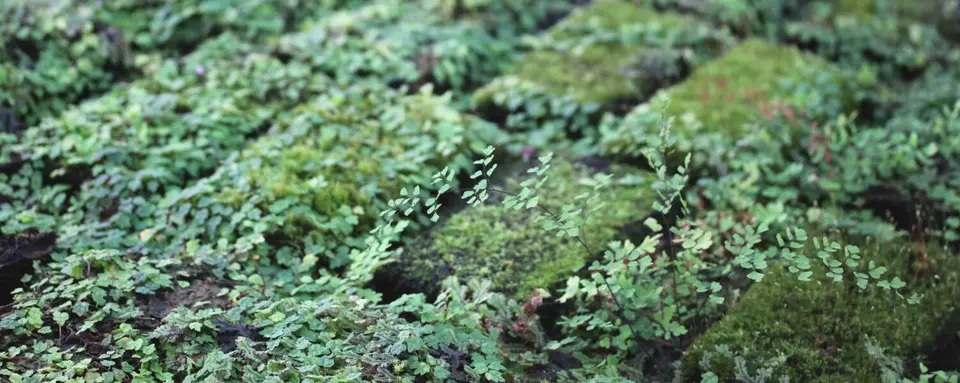
Miniature orchids and associated epiphytic species
Small epiphytic orchids are also excellent candidates for cultivation on xaxim. Many tropical genera thrive on this type of substrate, as is the case with Neoregelia, which mimics their natural habitat on tree trunks.
In a controlled environment, they can be grown alongside tropical carnivorous plants, provided that their light and humidity requirements are compatible.
What to avoid on xaxim
Xaxim is not a universal growing medium. Plants with fleshy roots, species requiring deep soil or a high nutrient reserve, and plants from dry climates will quickly wither on it.
Similarly, temperate or strictly aquatic carnivorous plants should not be grown on this medium.
Conclusion
Xaxim is an excellent growing medium for many tropical plants, particularly ferns, epiphytes and certain carnivorous plants such as Nepenthes. Used correctly, it allows you to create living, long-lasting displays that closely mimic natural conditions.
To ensure success, the choice of plants must always take precedence over aesthetics. By relying on tried-and-tested species, such as those offered by karnivores.com, xaxim becomes a valuable ally for growing and showcasing carnivorous and associated plants.
FAQ – Growing plants on xaxim
What is xaxim and what is it used for in agriculture?
Xaxim is a natural growing medium made from tree fern fibres. It is used in terrariums, paludariums and tropical greenhouses due to its airy structure, high moisture-retention capacity and ideal surface for the rooting of epiphytic or semi-epiphytic plants.
Which plants grow best on xaxim?
The plants best suited to xaxim are mosses, tropical ferns, compact epiphytes, certain miniature orchids and a few tropical carnivorous plants such as Nepenthes. These plants thrive in a moist, well-drained and well-aerated growing medium.
Are ferns suitable for growing on xaxim?
Yes, mosses are among the best choices for the Xaxim. They attach easily, colonise the surface quickly and help to maintain a stable level of humidity. Tropical mosses, liverworts and certain sphagnum mosses thrive in it if the humidity is constant.
Can carnivorous plants be grown on xaxim?
Certain tropical carnivorous plants are perfectly suited to xaxim, notably Nepenthes and certain epiphytic Utricularia. However, strictly terrestrial species such as Dionaea, Sarracenia or temperate Drosera are not suitable for this substrate.
Is xaxim suitable for orchids?
Yes, xaxim is an excellent growing medium for many small epiphytic orchids. It replicates their natural growth conditions on tree trunks, provided their requirements for light, humidity and ventilation are met.
Which plants should you avoid growing on xaxim?
It is not recommended to use xaxim for plants with fleshy roots, species requiring a deep or rich growing medium, plants from dry habitats, or temperate carnivorous or aquatic plants, as these will quickly wither on this type of growing medium.
For sale in the Karnivores shop
Love Carnivorous plants? Don't miss our plants and exclusive offers in the online shop.
Read next
Saxifraga candelabrum: the flowering plant that confirms a 150-year-old hypothesis by Darwin
How does the Venus flytrap detect its prey? A 2025 study sheds light on its ‘sixth sense’
Growing Tillandsia from seed: a comprehensive guide to successful germination
Do Dionisian traps run on electricity?
How carnivorous plants digest their prey
When should you sow seeds of carnivorous plants?