
Lush green sphagnum moss: advice, growing guides & tips
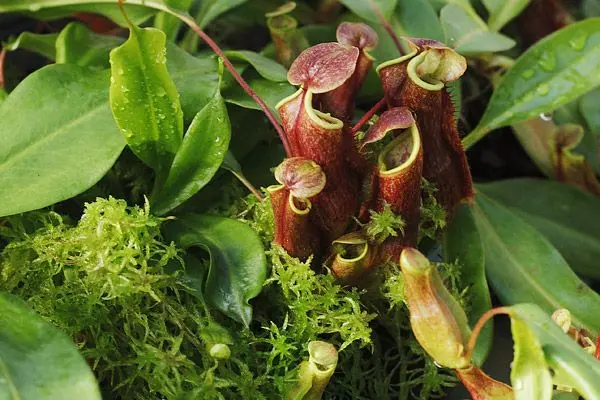
Live sphagnum moss is a natural moss that is extremely popular in horticulture, particularly in the cultivation of carnivorous plants. Its bright green colour, fresh, airy texture and ability to retain water make it a key element in ensuring the success of your plants and enhancing the appearance of your pots.
What is sphagnum moss?
Sphagnum (genus Sphagnum) is a non-vascular moss that generally grows in peat bogs and very damp areas. It grows in the form of dense cushions or tufts, without true roots or complex vascular tissues as found in ‘traditional’ plants.
In the wild, sphagnum plays a major ecological role in the formation of peat bogs by storing water and slowing down decomposition, which leads to the gradual formation of peat.
Why use sphagnum moss in cultivation?
Excellent water retention
Live sphagnum moss is capable of retaining a large amount of water whilst remaining well-aerated. This ensures optimal moisture levels around the roots, which is essential for carnivorous plants that cannot tolerate drying out.
Beneficial natural acidity
Its naturally acidic pH (low in nutrients) reduces the risk of root diseases and creates an environment suited to carnivorous plants and other acidophilic species.
Decorative and natural appearance
A top layer of live sphagnum moss gives your plants a lush, decorative appearance, whilst also helping to maintain stable moisture levels in the growing medium.
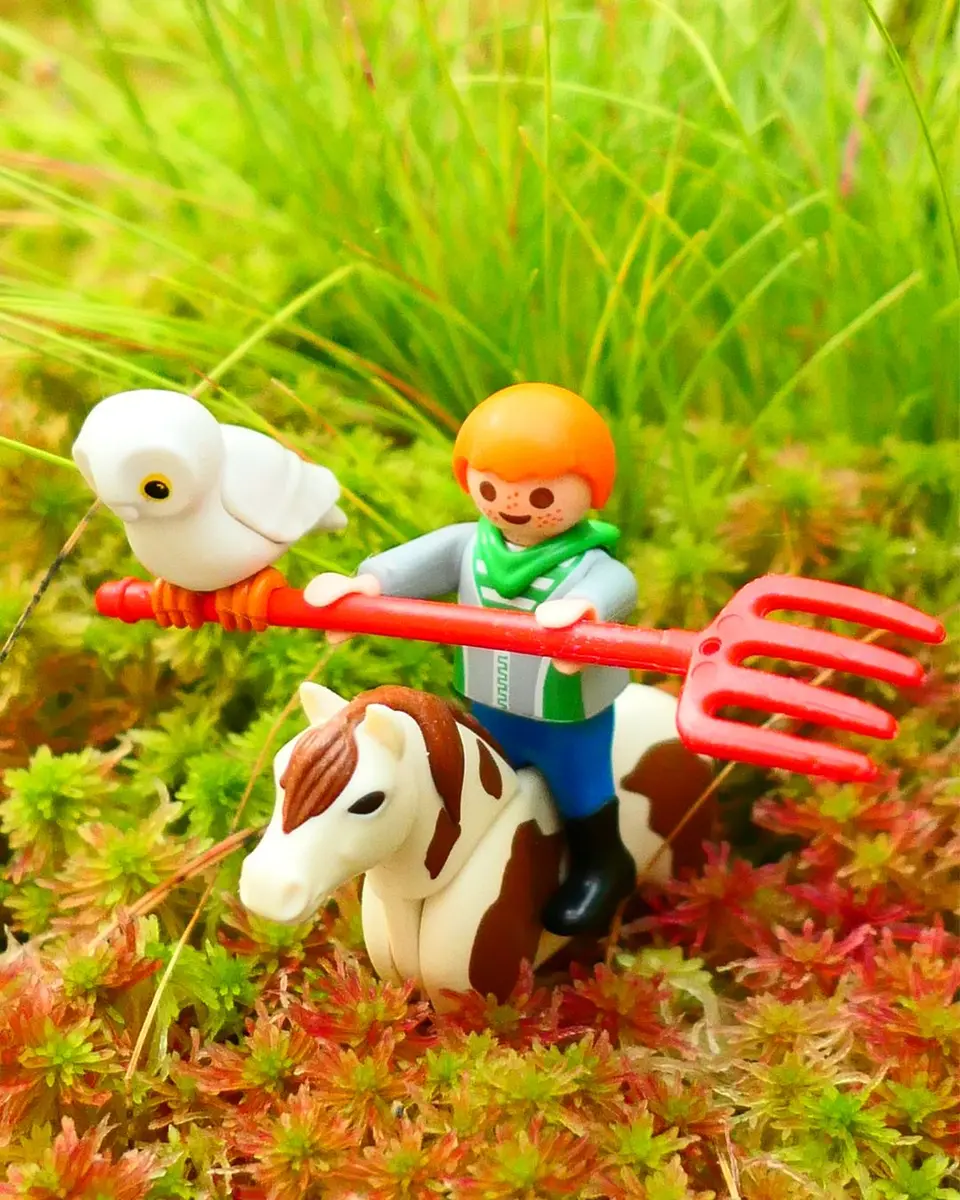
Tips for growing and maintaining lush green sphagnum moss
Watering and water quality
Live sphagnum moss is particularly sensitive to the quality of the water used for watering. It is essential to keep it constantly moist, but never waterlogged. Sphagnum moss that dries out, even briefly, may struggle to recover and may turn yellow.
The water used must be very low in minerals. Rainwater is ideal, as are osmosis-treated or demineralised water. Tap water, even if it seems ‘soft’, almost always contains too much calcium and mineral salts. In the medium term, these minerals build up in the moss, causing it to turn brown and then gradually die.
Watering from above is fine, provided that any excess water can drain away. Constant humidity is preferable to alternating periods of high and low humidity.
Light and exposure
Contrary to popular belief, sphagnum moss does not thrive in full, direct sunlight, especially when grown in pots. Excessively intense light often causes the tips to turn brown, rapid drying out and, sometimes, stunted growth.
Sphagnum thrives much better in bright but filtered light, or in partial shade. Indoors, a bright room without direct sunlight is sufficient. Outdoors, placement in light shade or under cover (a shaded greenhouse, a shade net, or beneath other plants) yields much better results.
However, insufficient light can slow growth and cause the moss to fade. The aim is therefore to strike a good balance between light and protection from direct sunlight.
Ventilation and environment
Sphagnum moss thrives in a humid atmosphere, but it also requires a minimum level of air circulation. A completely enclosed environment encourages it to wither.
When grown under a cloche or in a terrarium, it is advisable to ventilate regularly. Conversely, sphagnum moss grown in the open air, provided it remains moist, is often more robust and greener.
The ideal temperature is generally between 15 °C and 25 °C. Sphagnum moss can tolerate lower or higher temperatures, but excessive heat combined with dry air is often fatal. A cool winter period does it a world of good.
Care and propagation
Once well established, sphagnum moss requires little maintenance. When it is growing vigorously, it can be pruned regularly.
The cut parts, particularly the bright green heads, can be reused for propagation. Simply place them on a moist medium (light-coloured peat, existing sphagnum moss, very poor substrate) and maintain high humidity. With the right light and water conditions, new shoots usually appear after a few weeks.
This method makes it easy to replenish your sphagnum moss without taking any more from the wild.
Common mistakes to avoid
Sphagnum that turns yellow or brown is often a sign of a cultivation problem. The most common causes are water that is too high in minerals, excessive sun exposure or a prolonged lack of moisture. None of this is fatal to the plant!
The addition of fertiliser, even when heavily diluted, must be avoided at all costs. Sphagnum moss is adapted to extremely nutrient-poor environments and cannot tolerate additional nutrients. Similarly, an enriched or calcareous growing medium will almost always cause it to wither.
Conclusion
Live sphagnum moss is a material that is as attractive as it is functional, perfectly suited to growing carnivorous plants and species that thrive in acidic, moist environments. Easy to maintain when the right conditions are in place, it offers excellent water retention, a healthy environment for the roots and a natural look that is much appreciated. With the right water, controlled light and minimal care, it is entirely possible to keep sphagnum moss lush and green in the long term and even to propagate it easily.
FAQ – Live sphagnum moss
Can live sphagnum moss dry out completely?
No, sphagnum moss that dries out completely becomes severely stressed. It may sometimes recover if the drying-out period was very brief, but prolonged drying often leads to yellowing or partial death.
Can you water sphagnum moss with tap water?
This is strongly discouraged. Tap water contains too many minerals for sphagnum moss. In the long term, this causes it to turn brown and wither. It is best to use rainwater, reverse-osmosis water or demineralised water.
Does sphagnum moss need sunlight?
Sphagnum moss needs light, but not direct sunlight. Bright, filtered light or a semi-shaded spot is ideal for maintaining a lovely green colour and steady growth.
Can sphagnum moss be grown all year round?
Yes, sphagnum moss can be grown all year round. A cooler period in winter is actually beneficial and better respects its natural cycle, provided it does not freeze for any length of time.
Should sphagnum moss be fertilised?
No, you must never add fertiliser. Sphagnum moss grows naturally in very nutrient-poor environments and cannot tolerate any added nutrients, however small the amount.
How can you easily propagate live sphagnum moss?
Propagation is simply a matter of cutting off the bright green heads and placing them on a damp, nutrient-poor surface. With sufficient moisture and light, new shoots will appear within a few weeks.
For sale in the Karnivores shop
Love Growing guide & tips? Don't miss our plants and exclusive offers in the online shop.
Read next
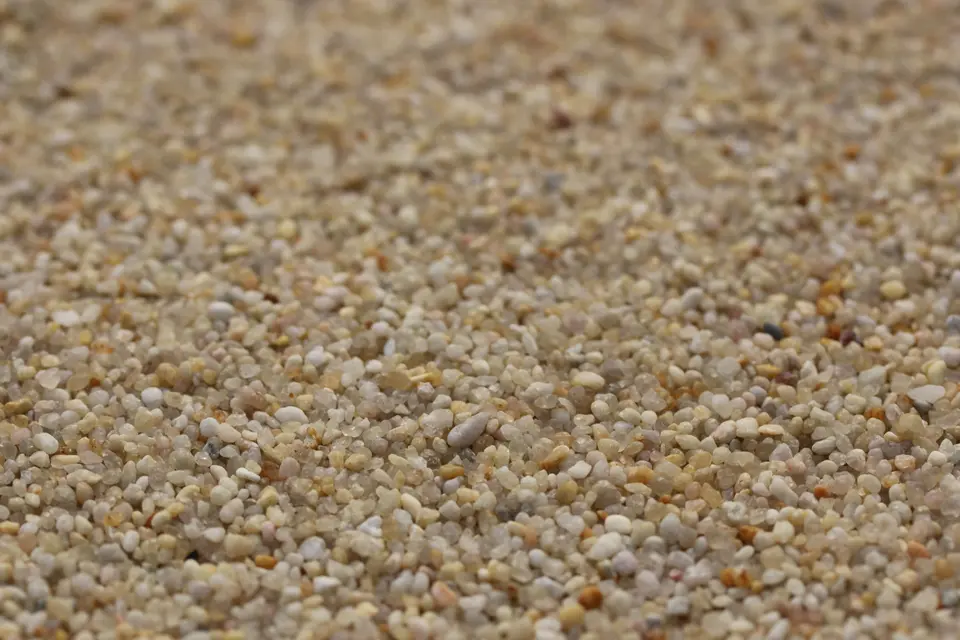
Quartz sand for carnivorous plants: what is it used for and how do you use it?
How to care for and maintain xaxim in a terrarium and a tropical greenhouse
Cork oak bark: an ideal natural substrate for epiphytic plants and terrariums
Free delivery on orders of €59 or more until midnight on Sunday
Oxalis triangularis: growing, care and tips
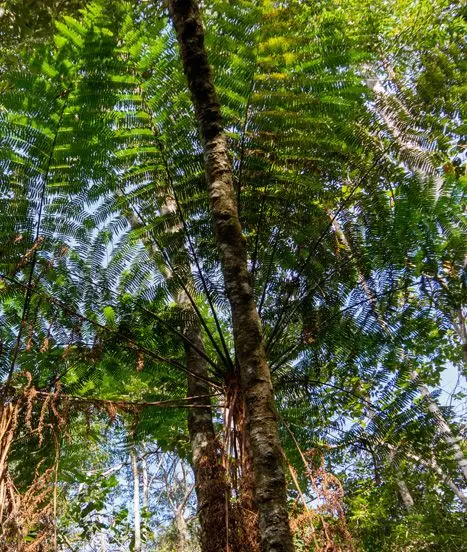
Dicksonia sellowiana: an iconic tree fern of the xaxim