
Utricularia
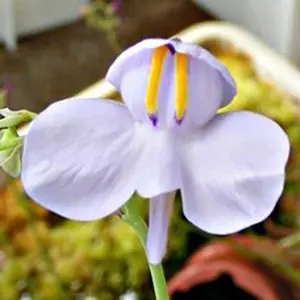
Although it accounts for around one-third of all carnivorous plant species, the genus is relatively little known, which is what makes Utricularia so fascinating. As widespread as Drosera, they are found on all five continents.
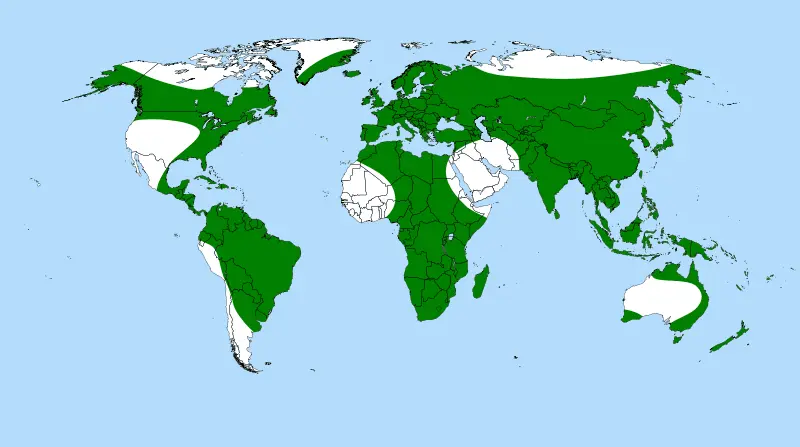
People often wonder about the carnivorous nature of these plants. It is true that the traps are not visible, and for good reason: they develop within the substrate. They are small bladders that suck in the tiny living organisms passing nearby, detected by sensory hairs. These traps are therefore active. The leaves visible on the surface, which are used for photosynthesis, are generally very small but usually very numerous. Some species are exceptions, such as Utricularia reniformis, whose leaves are situated at the tip of a stem.
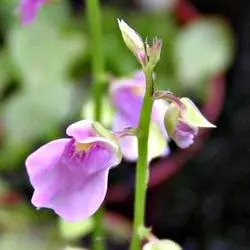
The majority of Utricularias are terrestrial, but some are aquatic and others are epiphytes. In cultivation, their appeal lies particularly in their flowers, which come in an extremely wide variety of shapes and colours.
List of Utricularia taxa growing in France
- Utricularia australis
- Utricularia bremii
- Utricularia intermedia
- Utricularia minor
- Utricularia neglecta
- Utricularia ochroleuca
- Utricularia vulgaris
For sale in the Karnivores shop
Love Carnivorous plants? Don't miss our plants and exclusive offers in the online shop.
Read next
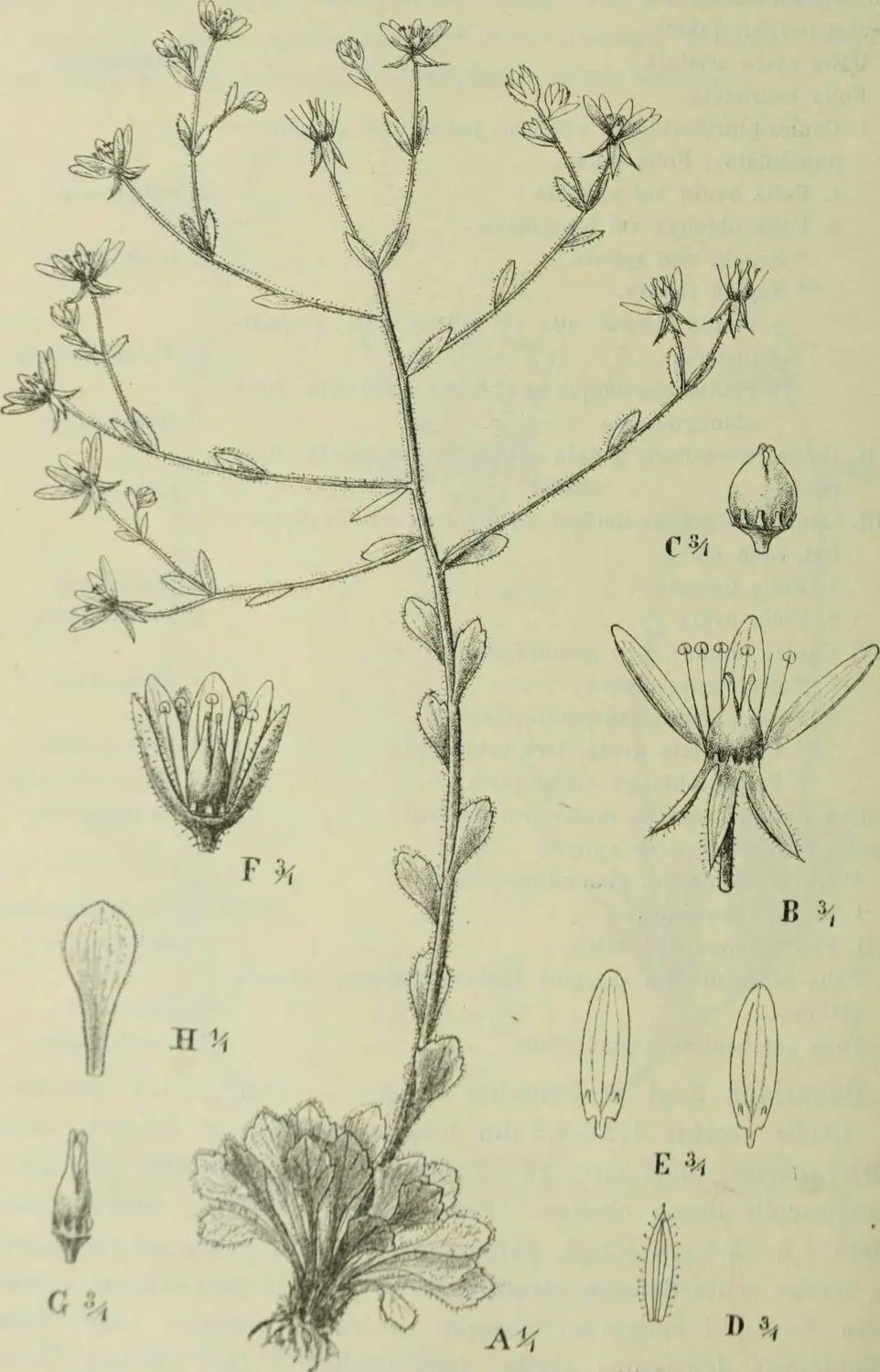
Saxifraga candelabrum: the flowering plant that confirms a 150-year-old hypothesis by Darwin
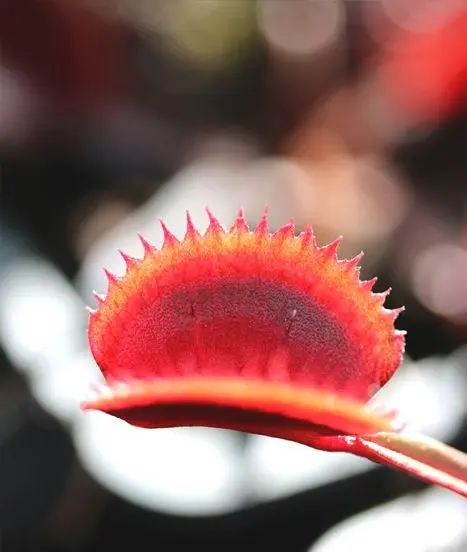
How does the Venus flytrap detect its prey? A 2025 study sheds light on its ‘sixth sense’
Growing Tillandsia from seed: a comprehensive guide to successful germination
Do Dionisian traps run on electricity?
How carnivorous plants digest their prey
Which plants can you grow on xaxim?