
Discovering Selaginella
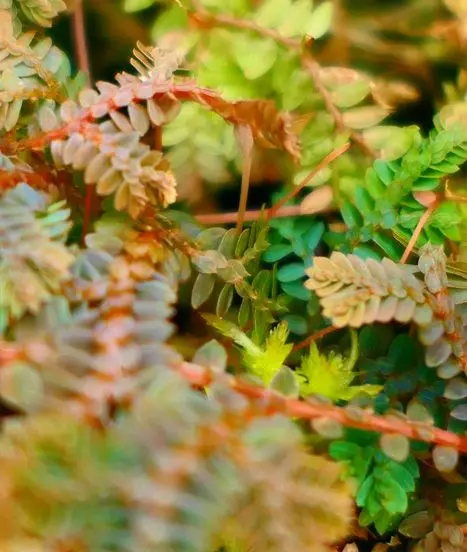
The Selaginellaceae, a fascinating family of plants, are often little known despite their ecological importance and diversity. Belonging to the division Lycopodiophyta (the most primitive group of vascular plants), they are characterised by their scale-like leaves and their ability to adapt to a variety of environments, ranging from tropical rainforests to arid deserts. These prehistoric plants, sometimes known as ‘spike-moss ferns’, offer a captivating insight into plant evolution and deserve special attention from botanists and plant enthusiasts alike.
Structure and Morphology of the Selaginellaceae
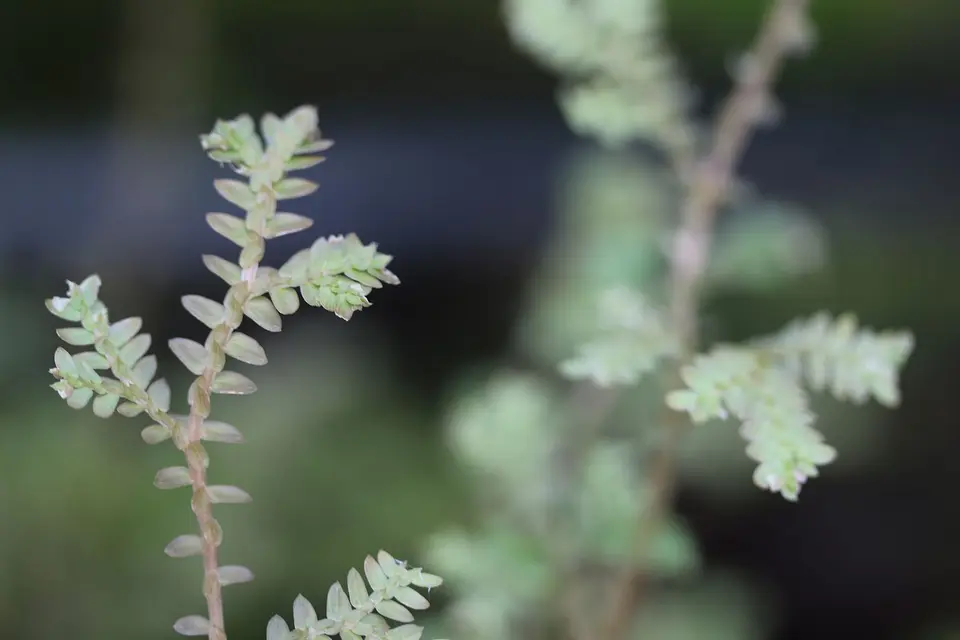
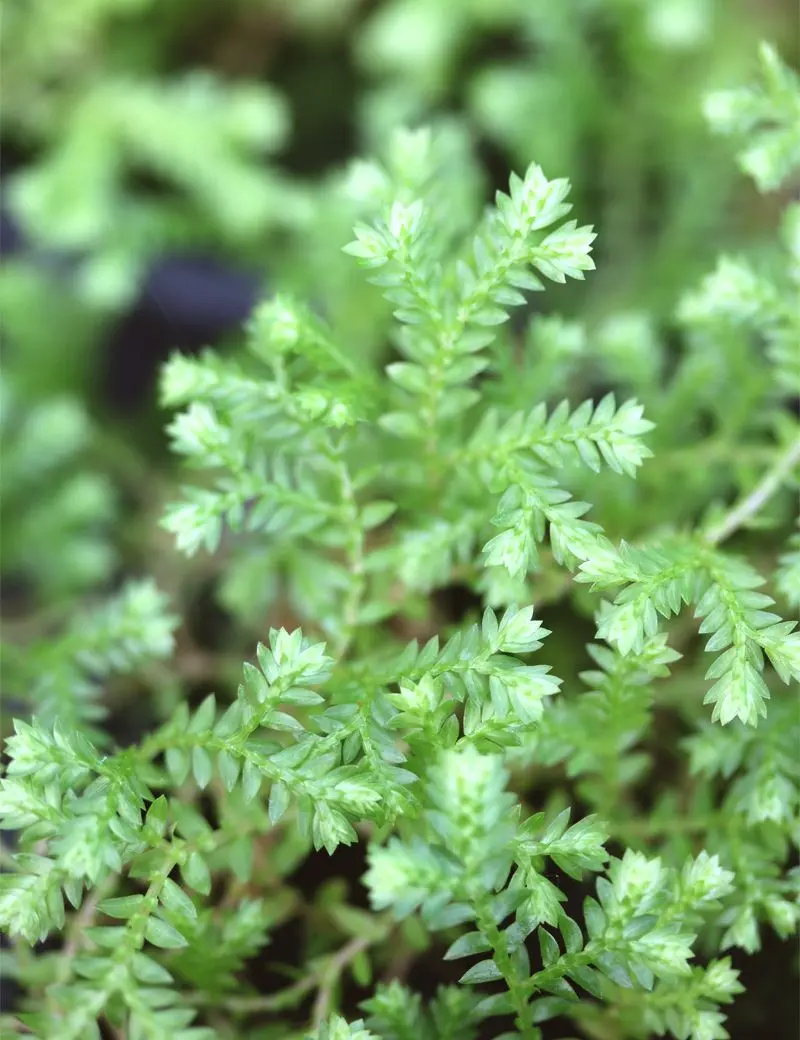
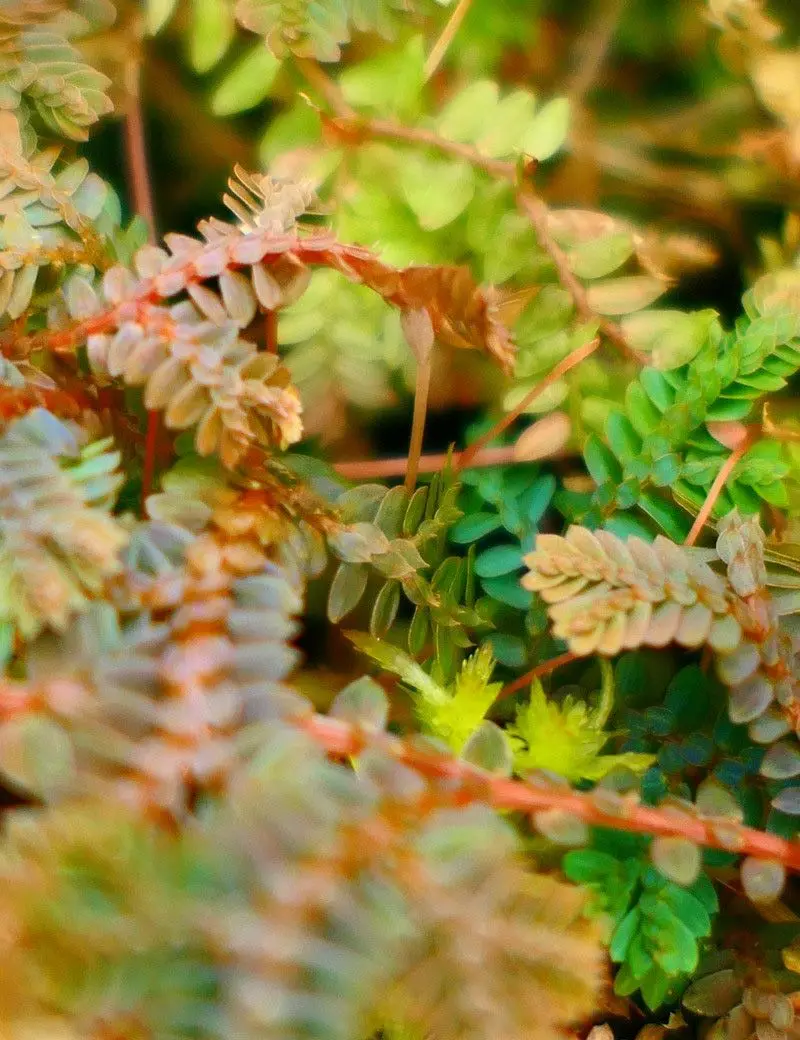
The Selaginellaceae are distinguished by their unique structure and characteristic morphology. Their vegetative body consists of creeping or erect stems, bearing scale-like leaves arranged in rows. These small, often imbricated leaves give the Selaginellaceae their distinctive appearance. Although these plants do not produce flowers, they reproduce via spores, which are formed within specialised structures called sporangia. This primitive mode of reproduction is one of the evolutionary characteristics that make the Selaginellaceae so intriguing to scientists.
Ecology and Distribution of the Selaginellaceae
The Selaginellaceae exhibit remarkable ecological diversity and are distributed throughout the world, although their prevalence varies by region. They are often found in tropical and subtropical zones, where they thrive in habitats such as rainforests, marshes and rocky areas.
However, some species of Selaginellaceae have evolved to survive in more extreme conditions, such as deserts and mountainous areas. Their ability to adapt to such varied environments makes them essential components of many ecosystems, contributing to the biodiversity and stability of the habitats in which they are found.
The benefits of keeping Selaginella in a terrarium
Selaginellaceae plants, often chosen for their exotic appearance and low maintenance requirements, offer numerous benefits when grown in a terrarium. Their compact size and ability to adapt to low-light conditions make them ideal choices for confined indoor environments.
Furthermore, Selaginellaceae help to create a favourable microclimate inside the terrarium by regulating humidity and providing a refuge for small animals such as insects and amphibians. Their slow growth also helps to maintain the terrarium’s ecological balance in the long term, thereby reducing the need for constant maintenance.
Finally, the unique appearance of Selaginellaceae, with their scale-like leaves and delicate texture, adds a touch of biodiversity and charm to any terrarium layout.
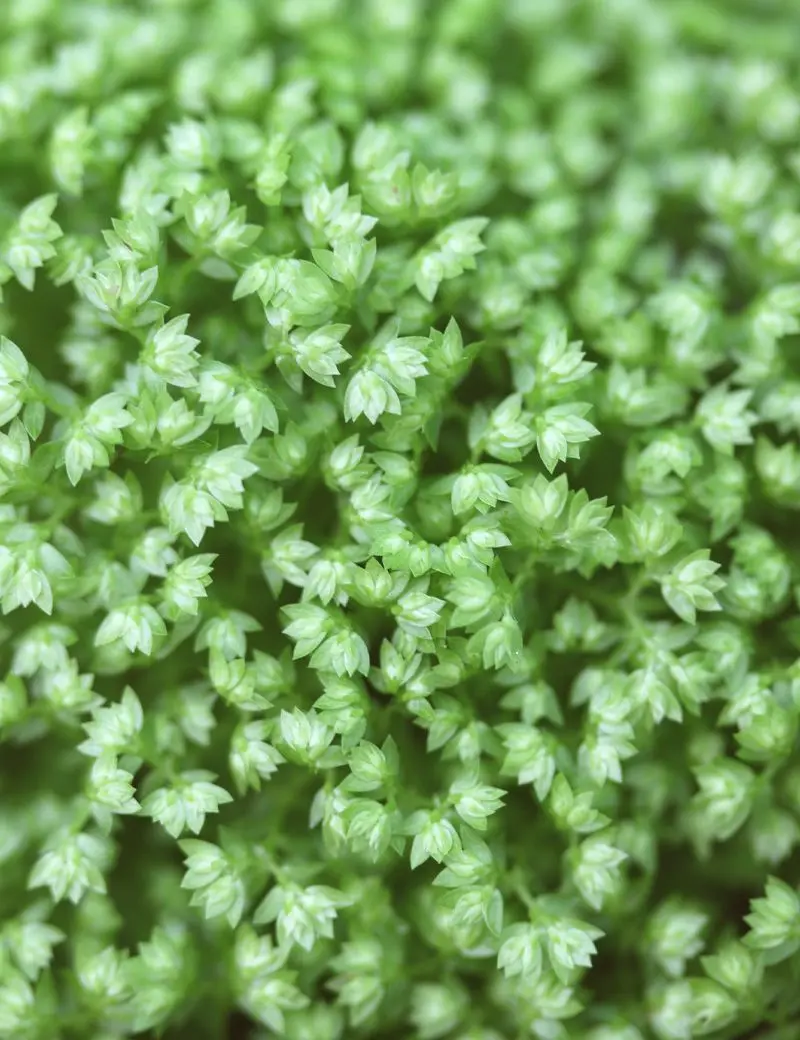
In conclusion, the Selaginellaceae are far more than mere creeping plants or simply prehistoric specimens. Their fascinating structure, global distribution and practical uses make them subjects of study and appreciation for botanists and plant enthusiasts around the world. By continuing to explore and understand these remarkable plants, we are deepening our understanding of plant diversity and the evolutionary history of life on Earth.
For sale in the Karnivores shop
Love Exotic animals and terrariums? Don't miss our plants and exclusive offers in the online shop.
Read next
Cyrtomium fortunei: an evergreen fern ideal for shaded areas
Asplenium trichomanes: wall fern – growing, origin and tips
Ficus pumila: growing, care and tips
How to secure the xaxim in a terrarium so that it stays in place safely and securely
Plectranthus ernestii: an ideal, striking plant for a terrarium
A comprehensive guide to growing Neoregelia in a terrarium