
When should you sow seeds of carnivorous plants?
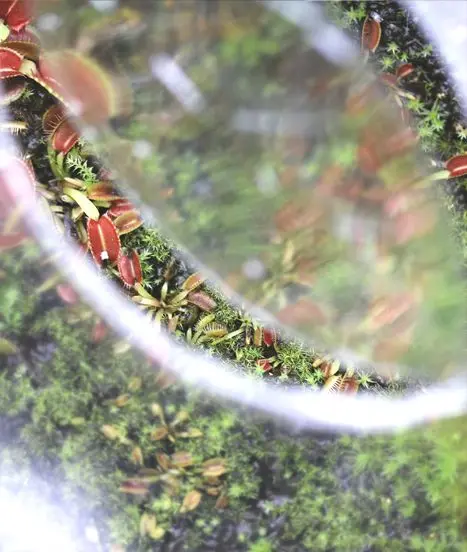
Sowing carnivorous plants requires less technical skill than one might think, but it hinges on one essential point: choosing the right time to sow, depending on the genus being grown. Each group of carnivorous plants has a specific life cycle, directly inherited from its natural habitat. Understanding this rhythm helps to avoid many failures and significantly increases the chances of germination.
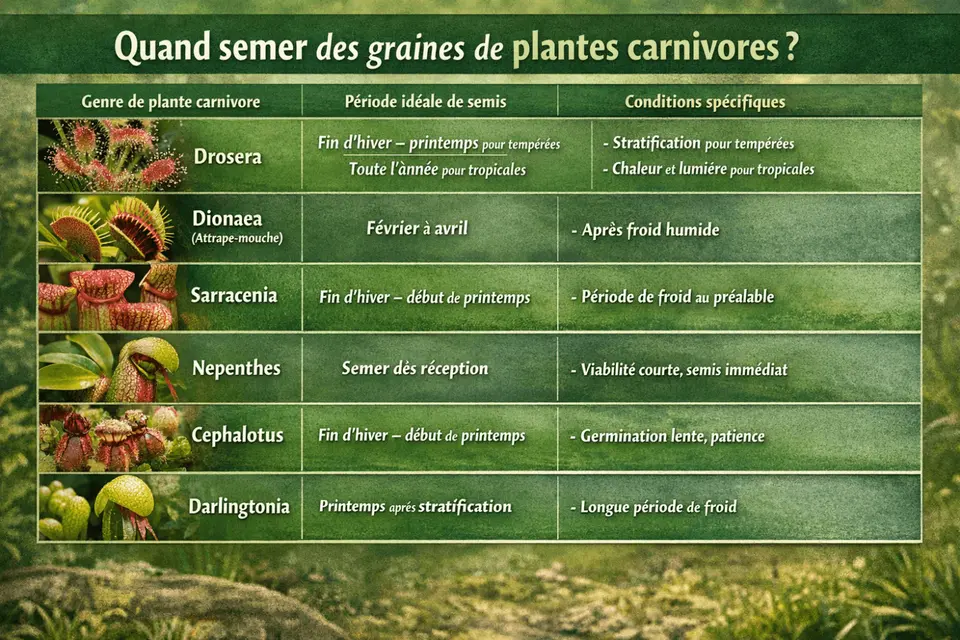
When to sow Drosera seeds
The Drosera genus comprises a wide variety of species, and the sowing time depends mainly on their climatic origin.
Temperate Drosera species follow a distinct seasonal cycle. Sowing is ideally carried out in late winter or early spring, following a period of cold, damp weather if necessary. This phase helps to break the seeds’ natural dormancy.
Tropical Drosera species, on the other hand, do not undergo strict dormancy. They can be sown all year round, provided there is sufficient warmth and good light. In a home setting, spring remains the easiest time to ensure steady growth of the young seedlings.
When to sow Dionaea muscipula seeds
The Venus flytrap is a strictly temperate plant. Its seeds are adapted to germinate after winter. Sowing is therefore recommended between February and April, following cold stratification if the seeds have not already been through winter.
Sowing too early, without a period of cold, can slow down or prevent germination. Conversely, sowing in spring, as daylight hours increase, closely matches the natural conditions for this species and generally yields good results.
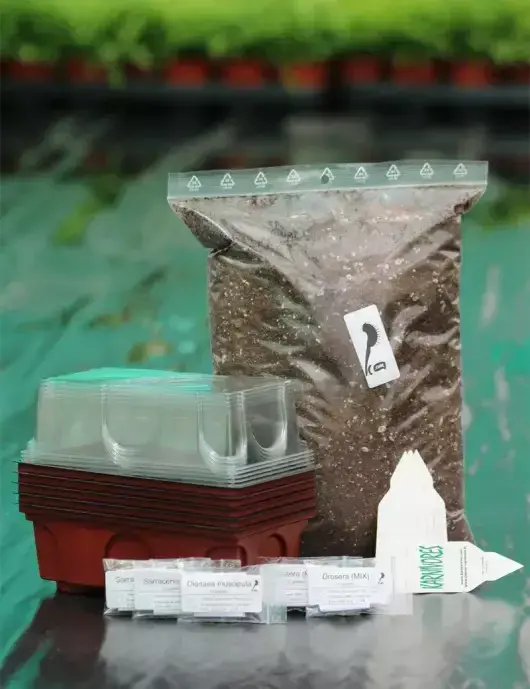
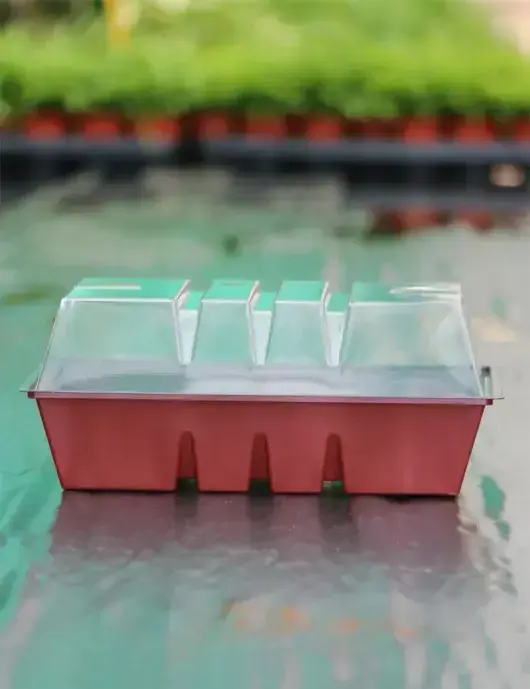
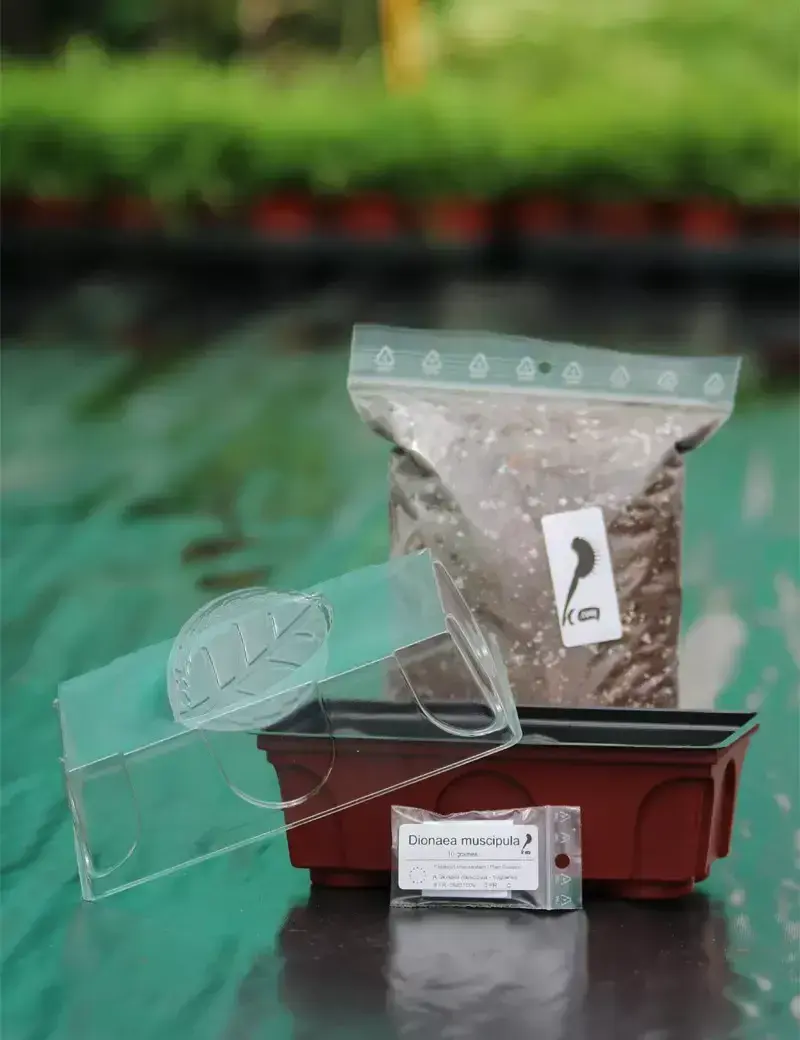
When to sow Sarracenia seeds
Sarracenias follow a cycle very similar to that of Venus flytraps. Their seeds often require a period of cool, moist conditions to break dormancy. The ideal time to sow is at the end of winter, when temperatures are gradually rising and the days are getting longer.
Sowing in spring allows the young plants to make the most of the growing season, which is particularly important for plants that grow relatively slowly in their early years.
When to sow Nepenthes seeds
With Nepenthes, the concept of season is of secondary importance. The decisive factor is the freshness of the seeds. Their viability is short-lived and declines rapidly over time.
Seeds should therefore be sown immediately upon receipt, regardless of the time of year. Waiting several weeks or months significantly reduces the chances of germination. In cultivation, a stable temperature, high humidity and suitable light are far more important than the calendar.
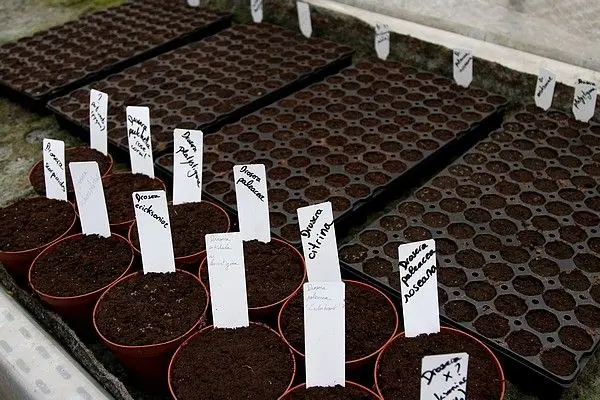
When to sow Cephalotus follicularis seeds
Cephalotus follicularis is a plant native to Australia with a distinctive life cycle. Its seeds may benefit from light stratification, although this is not always essential.
Sowing is generally recommended in late winter or early spring, when conditions become more favourable for slow but steady germination. Patience is essential, as young Cephalotus plants develop very gradually.
When to sow Darlingtonia californica seeds
Darlingtonia californica is one of the most demanding genera. In the wild, its seeds are subjected to prolonged cool, damp conditions. In cultivation, successful sowing almost always requires rigorous cold stratification.
Sowing is best carried out in spring, after several weeks of cold weather. Excessive temperatures must be avoided, both for germination and for the growth of young plants, which explains why this species is considered difficult to grow from seed.
Timing isn’t everything
Even when the ideal period is observed, successful sowing also depends on the growing medium, moisture levels, light and the stability of conditions. The calendar provides the starting point, but the method remains crucial.
Similarly, under favourable general conditions, one can be somewhat flexible and successfully sow seeds outside the most suitable periods.
Conclusion
Knowing when to sow the seeds of carnivorous plants is one of the key factors for success, often more important than the materials used. Each genus has its own biological rhythm, inherited from its natural habitat, whether it be the winter dormancy of temperate species or the short shelf life of tropical seeds.
By respecting these cycles and adapting the sowing schedule to each plant, it is possible to achieve good results, even as a beginner. Sowing remains a gradual process, requiring observation and patience, but in return offers a deeper understanding of the development of carnivorous plants.
FAQ – When to sow carnivorous plant seeds
Can you sow seeds from carnivorous plants all year round?
Yes, but only for certain genera such as tropical Drosera or Nepenthes. Temperate species, such as Dionaea or Sarracenia, require a seasonal cycle with a period of cold to germinate properly.
Is it absolutely essential to stratify the seeds before sowing?
Stratification is essential for many temperate carnivorous plants. It breaks seed dormancy by simulating winter conditions. However, it is not necessary for tropical species.
How long do carnivorous plant seeds take to germinate?
The time taken varies depending on the species. Some seeds germinate within a few weeks, whilst others may take several months. Slow germination is normal for many carnivorous plants.
Can Nepenthes seeds be stored before sowing?
Very soon. Nepenthes seeds quickly lose their ability to germinate. It is strongly recommended that you sow them as soon as you receive them to maximise your chances of success.
Why aren’t my seeds germinating, even though the conditions are right?
The most common causes are sowing out of season, a lack of stratification for temperate species, or seeds that are too old. Patience is also essential, as some seeds take a very long time to germinate.
Is growing from seed suitable for beginners to carnivorous plants?
Yes, provided you stick to the timetable and take into account the specific requirements of each species. Sowing seeds is an excellent way to learn about the life cycle of carnivorous plants and to grow robust plants right from the start.
For sale in the Karnivores shop
Love Carnivorous plants? Don't miss our plants and exclusive offers in the online shop.
Read next
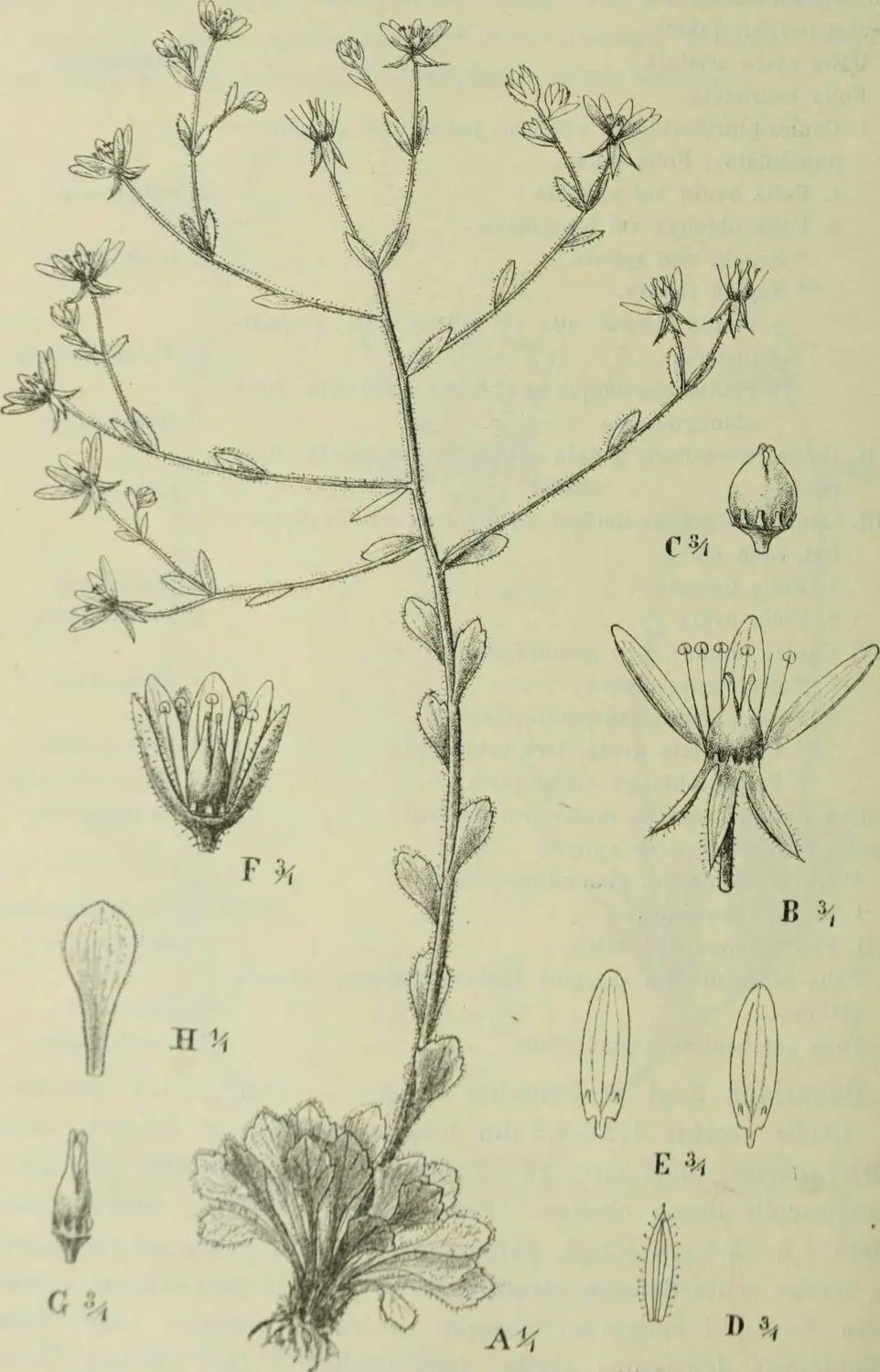
Saxifraga candelabrum: the flowering plant that confirms a 150-year-old hypothesis by Darwin
How does the Venus flytrap detect its prey? A 2025 study sheds light on its ‘sixth sense’
Growing Tillandsia from seed: a comprehensive guide to successful germination

Do Dionisian traps run on electricity?
How carnivorous plants digest their prey
Which plants can you grow on xaxim?