
Dehydrated sphagnum moss: definition, origin and uses in horticulture
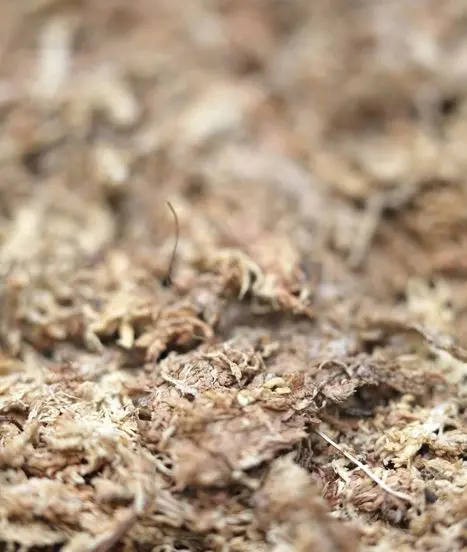
Dehydrated sphagnum moss now plays a central role in many horticultural practices. Used either as a substrate in its own right or as a component of specific mixtures, it is valued for its stability, its water-retention capacity and its unique behaviour in response to moisture. However, despite its widespread use, dehydrated sphagnum moss is often misunderstood or mistakenly equated with other organic materials.
The aim of this article is to lay down a clear foundation: to understand what dehydrated sphagnum moss actually is, where it comes from, why it is used as a growing medium, and in which contexts it is most effective.
What is dehydrated sphagnum moss?
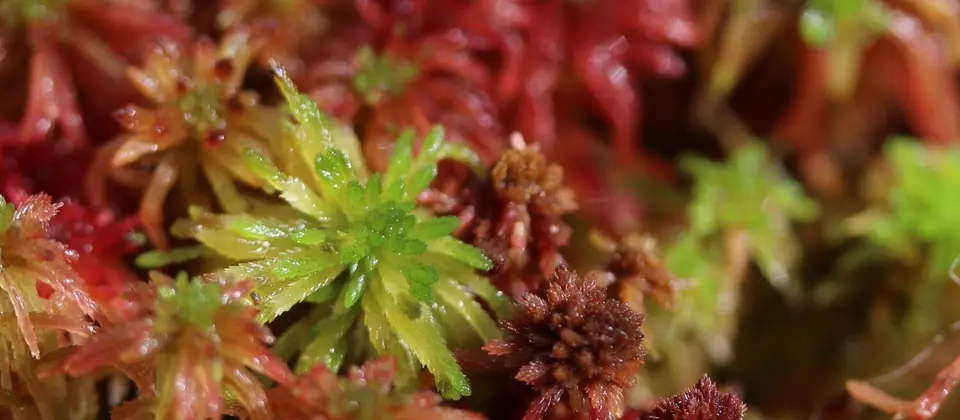
Sphagnum is a natural moss that grows in damp, acidic and very nutrient-poor environments, particularly in peat bogs. These specific environments have shaped a plant capable of retaining large quantities of water whilst maintaining an aerated structure.
Dehydrated sphagnum is produced from this moss, which is harvested and then dried. The drying process halts its biological activity without destroying the structure of its fibres. Once rehydrated, the dried sphagnum moss regains a significant volume and retains its essential physical properties.
It is therefore a natural, unfertilised growing medium, the quality of which depends directly on its origin, the harvesting method and the care taken in its packaging.
Difference between dehydrated sphagnum moss and live sphagnum moss
Although they come from the same plant, live sphagnum and dehydrated sphagnum do not have the same uses in cultivation.
Live sphagnum is an active organism that continues to grow and interact with its environment. It requires specific conditions of light, humidity and temperature, which limits its use to carefully controlled situations.
Dehydrated sphagnum, on the other hand, is a stable material. It does not grow, does not colonise the pot and does not actively alter its environment. This stability explains why it is widely used in horticulture: it provides a predictable medium that is easy to manage and compatible with many cultivation practices.
Why is dehydrated sphagnum moss used as a growing medium?
The use of dehydrated sphagnum moss as a growing medium is based on its unique physical properties, which are difficult to find in any single material.
Its water-retention capacity is particularly high. The fibres of sphagnum moss absorb water and retain it evenly, without creating saturated areas. This moisture management helps to keep the growing medium moist whilst preventing excess moisture.
At the same time, sphagnum’s fibrous structure ensures excellent aeration. Even when saturated with water, it does not compact easily. Air circulates between the fibres, which promotes root oxygenation and reduces the risk of root asphyxia.
Finally, dehydrated sphagnum moss is naturally low in nutrients. This characteristic makes it a particularly suitable growing medium for plants that are sensitive to excess minerals or require precise control over nutrient intake.
Resistance to decay in dehydrated sphagnum moss and root health
One of the most valued aspects of dehydrated sphagnum moss is its low tendency to decompose. Unlike many organic growing media, it is renowned for being virtually rot-resistant when used correctly.
This characteristic is due to several factors. Sphagnum naturally contains compounds with antiseptic properties, which limit the growth of bacteria and fungi responsible for fungal diseases. Furthermore, its low nutrient content does not encourage microbial proliferation.
In practice, this results in a reduced risk of root rot, particularly in conditions of high humidity. Dehydrated sphagnum moss thus provides a healthier and more stable environment for roots compared to richer organic growing media.
It should be noted, however, that its resistance to decay is not absolute. Unsuitable water, a lack of aeration or poor-quality sphagnum moss can compromise these properties over time. The durability of the growing medium therefore depends as much on the material as on the growing conditions.
Uses of dehydrated sphagnum moss in horticulture
Dehydrated sphagnum moss is used in many horticultural contexts due to its versatility.
It can be used as a pure growing medium when a highly aerated, stable and easily controlled environment is required. It is also incorporated into growing medium mixes to improve water retention, lighten an overly dense structure or optimise overall aeration.
Sphagnum is also widely used during delicate stages of cultivation, such as sowing, taking cuttings or reviving weakened plants. Its healthy environment, which is not conducive to pathogens, makes it a safe growing medium.
These specific uses will be covered in greater detail in dedicated articles, so that each situation can be explored in depth.
Quality of dehydrated sphagnum moss: why not all varieties are created equal
Not all dehydrated sphagnum moss available on the market has the same characteristics. Behind an identical name lie significant differences in quality.
The length and flexibility of the fibres directly influence the substrate’s water-retention capacity and durability. Sphagnum composed of long, largely unbroken fibres will retain its structure better over time.
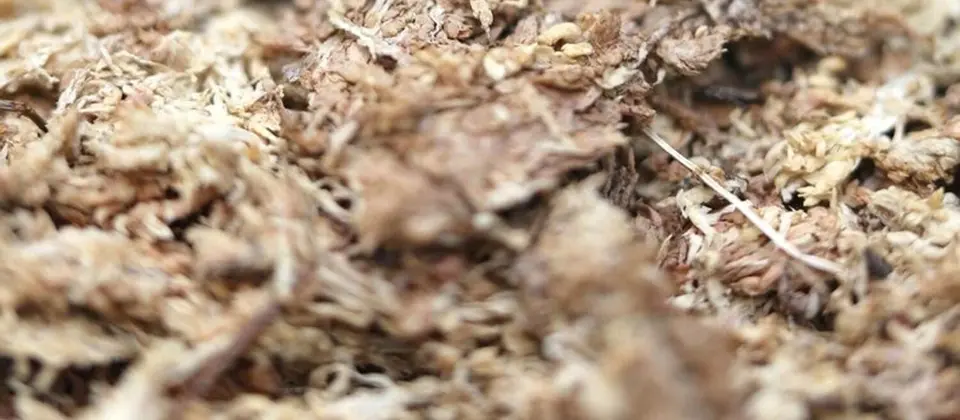
The cleanliness of the product is also an important criterion. High-quality sphagnum moss should contain few debris particles, little dust and be free from visible contaminants. These factors have a direct impact on the stability of the growing medium and on ease of use.
The origin of the sphagnum moss and the harvesting conditions play a decisive role in these differences, which is why careful selection of the material is essential.
How to prepare and use dehydrated sphagnum moss correctly
Before use, dehydrated sphagnum moss must be rehydrated to restore its volume and physical properties. This step involves gradually moistening the fibres until they are saturated, then removing any excess water.
When potting, it is important to maintain an aerated structure and avoid excessive compaction. The performance of sphagnum moss depends largely on its ability to maintain a balance between moisture and air circulation.
Methods of preparation and use will be discussed in greater detail in a separate article, so that each specific scenario can be addressed accurately.
How do you choose high-quality dried sphagnum moss for growing plants?
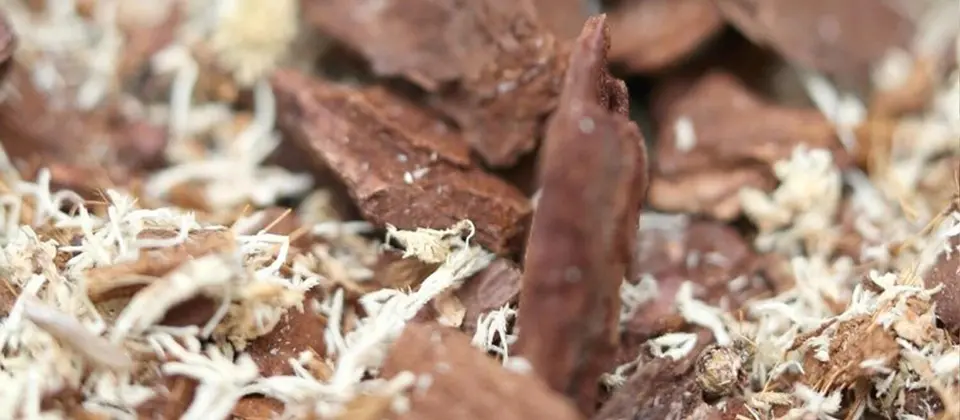
Choosing a dried sphagnum moss suitable for growing plants is not simply a question of price. The quality of the material directly affects the stability of the growing medium, root health and long-term durability.
Carefully selected sphagnum moss offers better rehydration, a more uniform structure and a healthier environment for plants. Conversely, a low-quality product can deteriorate rapidly and lose its essential properties.
This is why it is recommended to opt for sphagnum moss specifically intended for horticultural use, rather than generic products used for other purposes.
Conclusion
Dehydrated sphagnum moss is much more than simply dried moss. Used as a growing medium, it offers a rare combination of water retention, aeration, stability and resistance to decomposition.
When properly understood and used correctly, it provides a reliable and durable growing medium, particularly suited to demanding crops. By paying attention to product quality and conditions of use, dehydrated sphagnum moss stands out as a sensible choice for anyone seeking to grow plants with precision and consistency.
FAQ – Dehydrated sphagnum moss
What exactly is dried sphagnum moss?
Dehydrated sphagnum moss is a natural moss found in peat bogs, which is harvested and then dried to halt its biological activity. Once rehydrated, it retains excellent water-holding capacity whilst remaining well-aerated, making it a widely used growing medium in horticulture.
Why is dried sphagnum moss considered to be rot-resistant?
Dried sphagnum moss naturally contains antiseptic compounds that limit the growth of the bacteria and fungi responsible for decomposition. Its low nutrient content also slows down the rotting process, provided it is used with suitable water and is well aerated.
Can dried sphagnum moss be used as the sole growing medium?
Yes, dried sphagnum moss can be used on its own in certain situations, particularly when a highly aerated and easily managed growing medium is required. However, depending on the plants and growing conditions, it can also be incorporated into mixtures to adjust water retention or the structure of the growing medium.
Are all dried sphagnum mosses the same?
No. The quality of dried sphagnum moss varies depending on its origin, the length of the fibres, the cleanliness of the product and the harvesting conditions. High-quality sphagnum moss will offer greater durability, more uniform rehydration and a more stable environment for the roots.
What sort of water should be used with dried sphagnum moss?
It is recommended that you use water with a low mineral content, such as rainwater or reverse-osmosis water. Water with too high a mineral content can, in the long term, alter the structure of the sphagnum moss and encourage the build-up of unwanted deposits in the substrate.
How long can dried sphagnum moss be kept?
Dried sphagnum moss keeps for a very long time if stored in a dry place, away from moisture and light. As long as it remains dry and clean, it can be used for several years without any significant loss of quality.
For sale in the Karnivores shop
Love Growing guide & tips? Don't miss our plants and exclusive offers in the online shop.
Read next
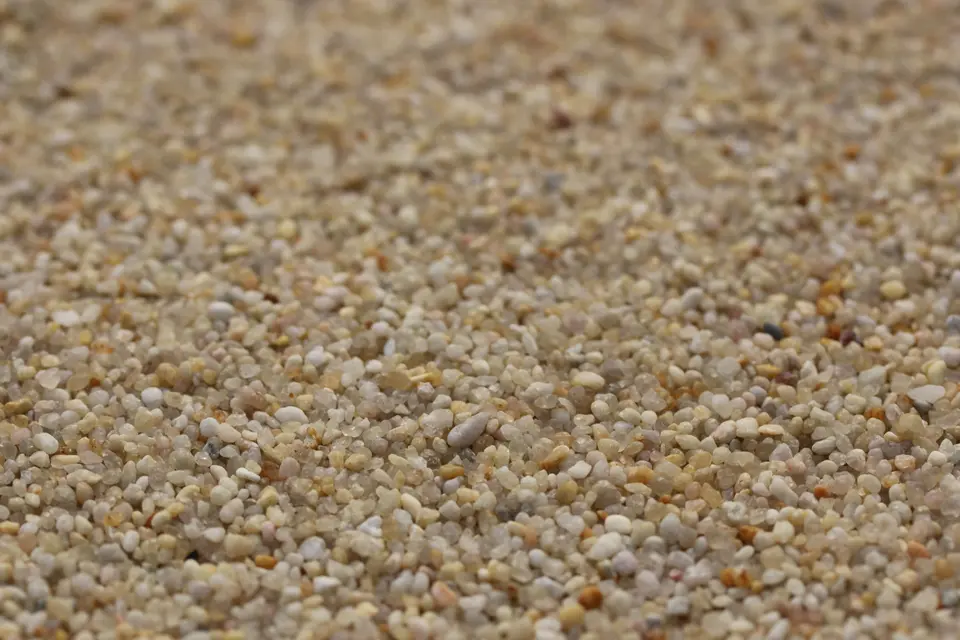
Quartz sand for carnivorous plants: what is it used for and how do you use it?
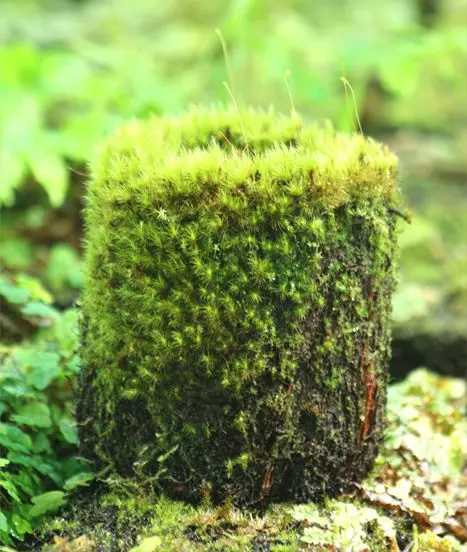
How to care for and maintain xaxim in a terrarium and a tropical greenhouse
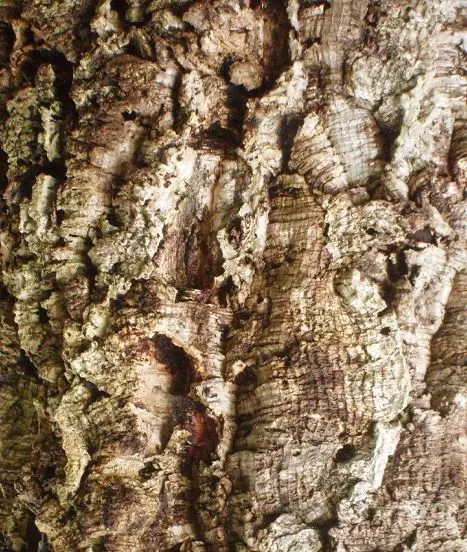
Cork oak bark: an ideal natural substrate for epiphytic plants and terrariums

Free delivery on orders of €59 or more until midnight on Sunday
Oxalis triangularis: growing, care and tips
Dicksonia sellowiana: an iconic tree fern of the xaxim