
Cork oak bark: an ideal natural substrate for epiphytic plants and terrariums
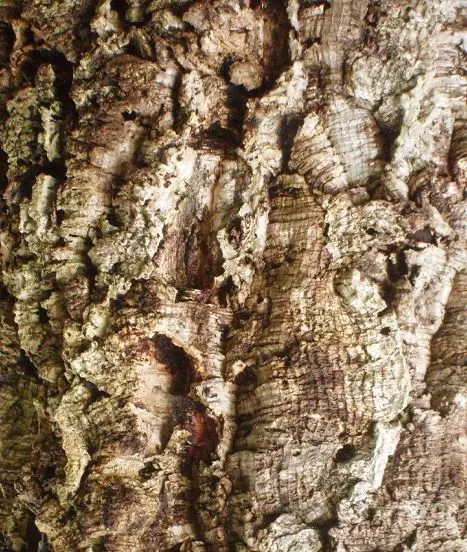
Cork oak bark, derived from *Quercus suber*, is a natural material that has long been used in Mediterranean regions. Originally known for its use in making corks or for its insulating properties, it has now become a particularly popular medium in the world of tropical plants, terrariums and epiphytic cultivation.
Its natural texture, high resistance to moisture and durability make it an excellent medium for many tropical plants.
A natural material with unique properties
Cork oak bark has a very distinctive structure composed of millions of air-filled cells. This structure gives it lightness, resistance to moisture and excellent durability.
Unlike some more fragile types of bark, such as birch bark, cork decomposes slowly and remains stable for many years. Its rough, fissured surface also provides numerous natural anchor points for the roots of epiphytic plants.
This texture effectively replicates the surfaces that plants encounter in their natural habitat, such as tree trunks or branches.
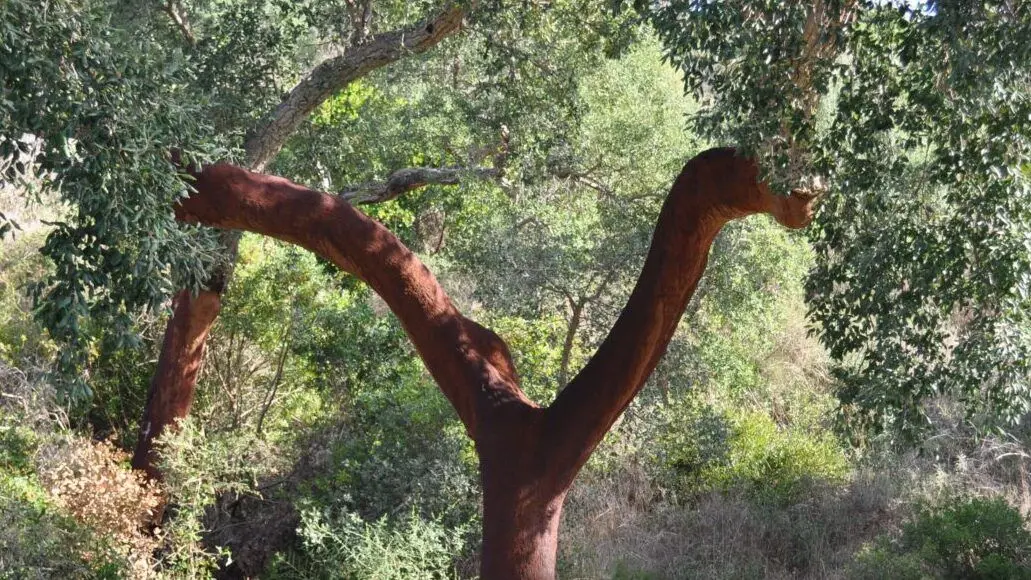
Why is cork oak bark so widely used in horticulture?
Cork oak bark is particularly valued for growing epiphytic plants, which require plenty of aeration around their roots.
It is commonly used for tillandsias, mounted orchids, hoyas, tropical ferns, bromeliads, dischidias and certain tropical climbing plants.
Cork allows the roots to breathe whilst retaining a slight level of moisture, which is ideal for the plants to establish themselves.
Its high stability also means there is no need to replace the medium regularly.
An excellent medium for epiphytic plants
Cork oak bark allows plants to be grown in conditions similar to those found in the wild.
The roots can gradually take hold in the crevices of the bark and form a natural, long-lasting anchor.
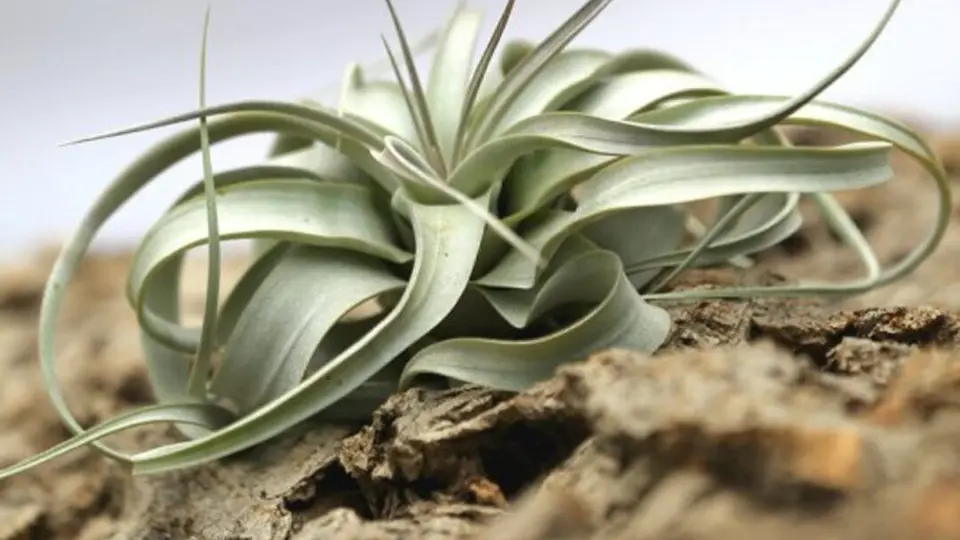
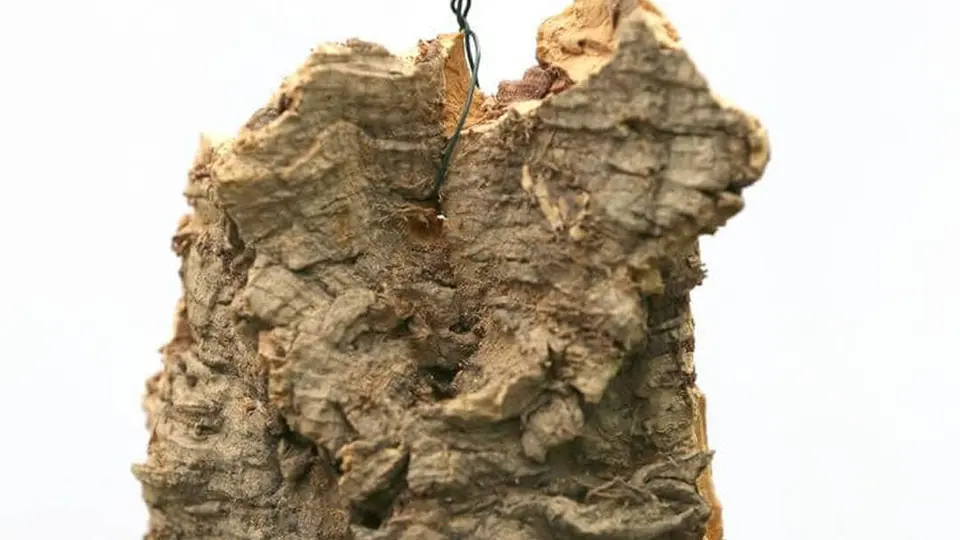
Cork sheets are particularly popular for living walls, tropical arrangements, hanging displays and terrarium decorations.
The more irregular pieces, meanwhile, can be used to create very natural-looking displays in tropical terrariums.
How do you attach a plant to a piece of cork oak bark?
Attaching epiphytic plants to cork is generally straightforward.
For tillandsias, it is often sufficient to hold the plant against the bark using a discreet piece of string, such as fishing line or sheathed horticultural twine. Over time, the roots naturally take hold of the substrate and the string can be removed.
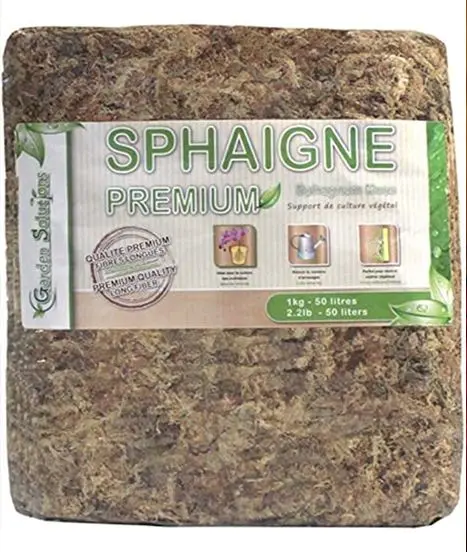
Some bromeliads, such as Neoregelia, benefit from a light cushion of sphagnum moss placed between the plant and the bark. This thin layer helps to retain a little moisture around the new roots whilst encouraging the plant to establish itself.
Mounted orchids can also be secured directly to a cork board using a little sphagnum moss and a discreet piece of string.
The aim is always to ensure good ventilation, relatively rapid drying and a stable substrate.
Cork oak bark in terrariums
Cork has become an essential material in tropical terrariums.
It makes it easy to create natural walls, vertical features, supports for climbing plants or even hiding places for microfauna.
Its natural appearance immediately creates a very realistic woodland atmosphere.
Cork oak bark is also widely used as a terrarium substrate. The sheets allow you to create natural vertical features on which mosses, ferns, climbing ficus or small tropical plants can gradually colonise the surface.
Over time, the décor evolves naturally and takes on a very lively appearance, which is particularly appreciated in humid tropical terrariums.
A sustainable and versatile material
Cork oak bark also has significant ecological value.
Cork is harvested without felling the tree, which then continues to produce new bark over the years. This renewable resource is a major factor in its popularity in the world of tropical plants and terrariums.
Durable, attractive and highly versatile, cork can be used to create natural substrates suitable for a wide variety of epiphytic plants, whilst lending a particularly authentic look to tropical displays.
Why cork oak bark remains a benchmark for terrariums and epiphytic plants
Natural, durable and particularly attractive, cork oak bark is now one of the best substrates for growing tropical and epiphytic plants.
Its resistance to moisture, its airy structure and its ability to provide natural support for roots make it possible to recreate conditions similar to those found in tropical forests.
Whether used to secure tillandsias, mount orchids, create a terrarium background or add greenery to a tropical display, cork remains a versatile, stable material that is highly prized by enthusiasts of terrariums and exotic plants.
Over time, it often becomes covered in moss, roots and new shoots, gradually giving the display a living and particularly natural appearance.
FAQ: Cork oak bark
Is cork oak bark suitable for epiphytic plants?
Yes, cork oak bark is particularly popular for epiphytic plants such as tillandsias, orchids, hoyas and certain tropical ferns.
Its rough surface allows the roots to cling naturally to the substrate.
Why use cork in a terrarium?
Cork can be used to create natural-looking displays, vertical features or supports for climbing plants.
Highly resistant to moisture, it remains stable for many years in tropical terrariums.
Can cork be used as a base in a terrarium?
Yes, cork sheets are often used as a base in terrariums.
They allow mosses, climbing ficus plants or small tropical plants to gradually colonise the surface, creating a living, natural backdrop.
How do you attach a plant to cork?
Plants can be secured using fishing line, sheathed horticultural twine or a light sphagnum moss support, depending on the species.
Over time, the roots naturally take hold in the crevices of the bark.
Is cork resistant to damp?
Yes, cork oak bark is particularly resistant to damp thanks to its naturally waterproof and airy structure.
It decomposes much more slowly than many other types of bark.
Which plants grow well on cork?
Cork is ideal for tillandsias, mounted orchids, bromeliads, hoyas, dischidias, mosses and even small tropical ferns.
It is also widely used in humid tropical terrariums.
Should sphagnum moss be added to the cork?
Some plants benefit from a light layer of sphagnum moss between their roots and the growing medium.
Sphagnum moss helps to retain a little moisture whilst encouraging new roots to establish themselves.
Is cork a sustainable material?
Yes, cork is a particularly sustainable natural material.
The cork oak continues to live after its bark has been harvested, making it a highly valued renewable resource in tropical horticulture.
For sale in the Karnivores shop
Love Growing guide & tips? Don't miss our plants and exclusive offers in the online shop.
Read next
Quartz sand for carnivorous plants: what is it used for and how do you use it?
How to care for and maintain xaxim in a terrarium and a tropical greenhouse
Free delivery on orders of €59 or more until midnight on Sunday
Oxalis triangularis: growing, care and tips
Dicksonia sellowiana: an iconic tree fern of the xaxim
Dried sphagnum moss or standard growing medium: which is best for truly healthy plants?