
Oxalis triangularis: growing, care and tips
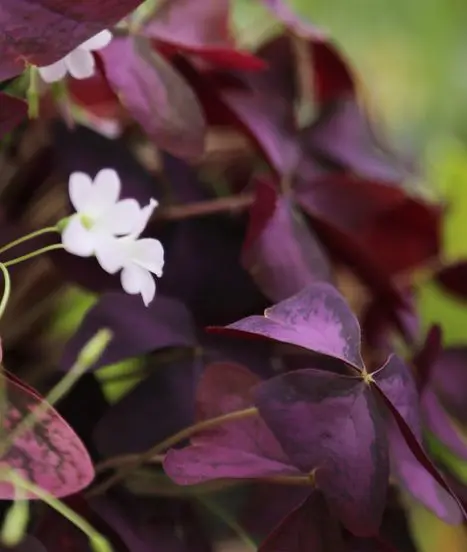
Oxalis triangularis, often known as purple oxalis or butterfly plant, is a perennial particularly prized for its deep purple triangular foliage and its remarkable daily behaviour. Indeed, its leaves unfurl in the light and then fold back in the evening, as if the plant were falling asleep.
Native to South America, this oxalis is as appealing for its appearance as it is for its ease of care. Indoors, it immediately adds an original, light and highly striking touch. Its compact habit, intense colour and rapid growth make it an excellent choice for lovers of decorative foliage.
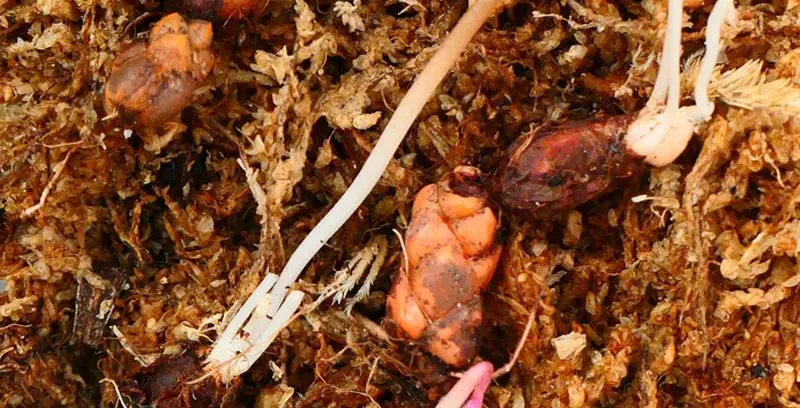
Unlike many traditional houseplants, Oxalis triangularis grows from small bulbs or rhizomes, allowing it to go through periods of dormancy before sprouting again with vigour. Grown in pots, planters or even outdoors during the warmer months, it remains a plant that is as decorative as it is endearing.
Oxalis triangularis: characteristics and distinctive features
Oxalis triangularis belongs to the Oxalidaceae family. It is native to South America, particularly Brazil.
This plant is distinguished by several characteristics that explain its popularity:
- highly decorative triangular foliage, usually purple, though sometimes greener depending on the cultivated variety;
- nyctinastic movement, meaning that the leaves open during the day and fold back at night;
- delicate, white to pale pink flowers, which often appear from spring to early summer;
- rapid growth from bulbs;
- easy to grow, well suited to beginners.
Oxalis triangularis thrives in temperate conditions. It grows well between 15 and 24°C, whilst tolerating wider temperature ranges from time to time, provided it is not subjected to extreme conditions. Cold draughts, sudden changes in temperature and rooms that are too dark should, however, be avoided.
How do you grow Oxalis triangularis?
Oxalis triangularis is an easy plant to grow if you follow a few simple guidelines, particularly regarding light, watering and potting mix.
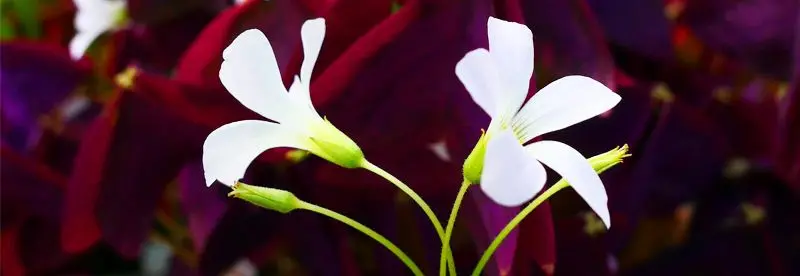
What sort of light does Oxalis triangularis need?
This plant thrives in bright light, but without direct, scorching sunlight – ideally behind a window in summer.
It can also be grown in partial shade, but its foliage will often be less colourful, less dense and slightly less compact. If you want to maintain a beautiful deep purple colour, it is best to provide it with a bright spot for much of the year.
In winter, plenty of light generally helps to prolong its attractive appearance.
What temperature is best for Oxalis triangularis?
Oxalis triangularis grows best in temperatures between 15 and 24°C.
It can tolerate slightly cooler temperatures, but it is best to avoid temperatures falling below 10°C for any length of time. In summer, it can be placed outdoors in a bright spot but sheltered from direct sunlight, for example on a shaded terrace or in soft, filtered light.
How should Oxalis triangularis be watered?
Oxalis triangularis should be watered regularly, but always in moderation. The plant prefers slightly moist soil, but does not like excess water.
A good rule of thumb is to water when the surface of the soil begins to dry out. During the growing season, in spring and summer, this usually amounts to one or two waterings a week, depending on the temperature, the size of the pot and the position.
In winter, or when growth slows down, you should water less frequently.
It is important never to leave water standing in a saucer, as the bulbs can quickly rot in waterlogged compost.
If your Oxalis suddenly turns yellow or wilts, there is no need to worry: it may simply be entering dormancy.
What sort of potting mix is best for Oxalis triangularis?
Oxalis triangularis prefers a light, well-draining and aerated growing medium. A good potting compost for indoor plants or foliage plants is perfectly suitable, provided it is not too compact.
The key is to avoid mixtures that are too heavy and retain water for too long. A pot with drainage holes is strongly recommended to ensure good drainage.
Should Oxalis triangularis be fertilised?
During its growing season, Oxalis triangularis can benefit from a fertiliser for houseplants every two to three weeks.
This fertilisation is particularly useful in spring and summer, when the plant is actively producing foliage and flowers. In autumn and winter, or when the plant naturally slows down, there is no need to apply fertiliser.
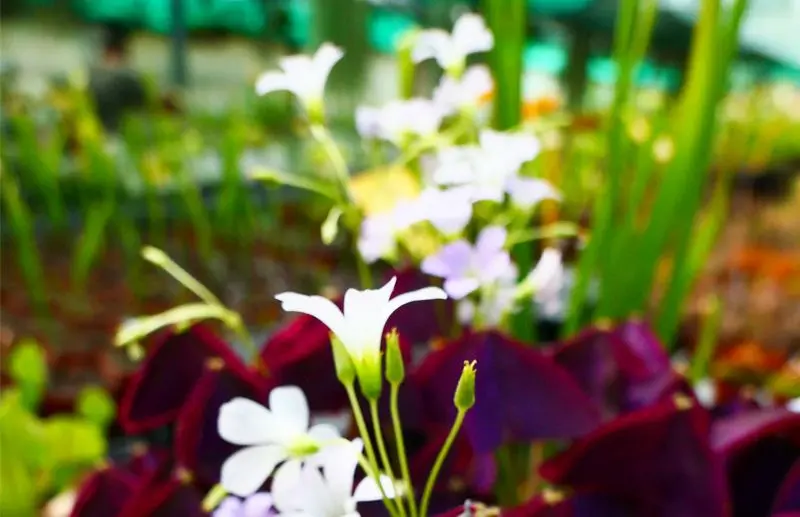
Caring for Oxalis triangularis: what to do
To grow Oxalis triangularis successfully over the long term, a few simple steps make all the difference.
What to do
It is advisable to:
- grow the plant in a well-drained pot;
- provide it with plenty of light;
- water it regularly, but not too much;
- remove damaged leaves as and when they appear;
- allow the plant to follow its natural cycle, even if it goes dormant;
- repot every one to two years to renew the potting mix and give the bulbs room to grow.
Things to avoid
Conversely, it is best to avoid:
- leaving the potting mix constantly waterlogged;
- exposing the plant to scorching direct sunlight;
- continuing to water heavily during a dormant period;
- placing the plant in a cold or very dark room;
- assuming it has died when it temporarily withers.
Dormancy and life cycle of Oxalis triangularis
One of the most interesting aspects of Oxalis triangularis is its natural cycle. This plant does not always grow continuously throughout the year.
Generally speaking, the following pattern is observed:
- a phase of active growth from spring to autumn;
- light, regular flowering during the warmer months;
- sometimes a dormant phase, often in winter, but occasionally also in summer depending on growing conditions.
When the plant enters dormancy, its foliage begins to turn yellow and then gradually withers away. This is perfectly normal.
In this case, simply:
- significantly reduce watering;
- cut back the dry foliage;
- wait until new shoots appear.
As soon as the new leaves reappear, you can gradually resume watering.
How do you propagate Oxalis triangularis?
Propagating Oxalis triangularis is very simple. It is most commonly done by dividing the bulbs when repotting.
Simply gently separate the small bulbs that have formed around the parent plant, then replant them in a light growing medium. Under the right conditions, they usually take off again quite quickly.
It is a particularly rewarding plant to propagate, as it grows easily and gradually fills its pot.
Why choose Oxalis triangularis?
Oxalis triangularis is a plant that is unique, decorative and low-maintenance. Its dark, swaying foliage gives it a very distinctive presence in a room, without requiring any complicated care.
With plenty of light, well-managed watering and well-draining soil, this plant grows quickly and offers real visual interest on a daily basis. Its growth habit, its understated flowers and its ability to spring back to life after a dormant period make it a very enjoyable plant to grow.
For lovers of unusual foliage and beginners alike, this is clearly a plant that deserves a place in any collection.
FAQ – Caring for Oxalis triangularis
What is Oxalis triangularis?
Oxalis triangularis is a bulbous perennial known for its purple, triangular leaves and its unusual behaviour: its leaves open during the day and close at night.
Why do the leaves of Oxalis triangularis close?
It is a natural phenomenon known as nyctinasty. The leaves react to changes in light and fold up when the light levels drop.
What sort of exposure is best for Oxalis triangularis?
This plant thrives in bright light, but not in direct, scorching sunlight. Good light levels help to maintain more colourful foliage and a more compact growth habit.
How should you water an Oxalis triangularis?
You should water the plant when the surface of the growing medium begins to dry out, taking care never to over-water the compost. Over-watering is one of the main causes of problems.
Why is my Oxalis triangularis turning yellow?
Yellowing may simply indicate that the plant is entering a dormant phase, which is normal. It may also be caused by overwatering or a lack of light.
Can Oxalis triangularis go into dormancy?
Yes, absolutely. This plant may temporarily lose its leaves before naturally sprouting again a few weeks later.
How do you propagate Oxalis triangularis?
The simplest method is to divide the bulbs when repotting them.
For sale in the Karnivores shop
Love Growing guide & tips? Don't miss our plants and exclusive offers in the online shop.
Read next
Quartz sand for carnivorous plants: what is it used for and how do you use it?
How to care for and maintain xaxim in a terrarium and a tropical greenhouse

Cork oak bark: an ideal natural substrate for epiphytic plants and terrariums

Free delivery on orders of €59 or more until midnight on Sunday

Dicksonia sellowiana: an iconic tree fern of the xaxim
Dried sphagnum moss or standard growing medium: which is best for truly healthy plants?