
Sphagnum moss: understanding, selecting and using it
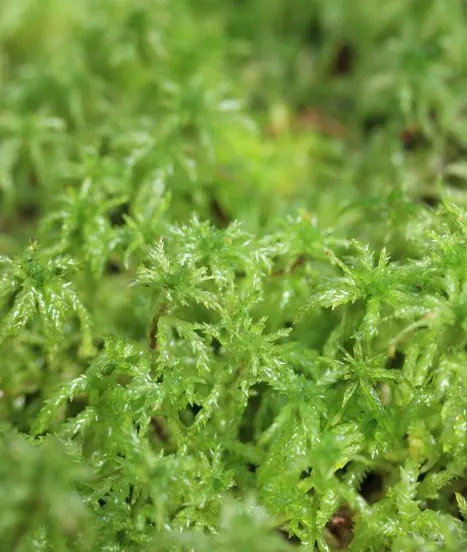
Sphagnum moss plays a central role in many modern horticultural practices. Long associated almost exclusively with carnivorous plants, it is now widely used for growing orchids, epiphytes and certain bromeliads such as Neoregelia, but also as a technical medium to manage the moisture and aeration of growing media.
However, behind the generic term ‘sphagnum’ lie very different realities depending on its origin, form and quality.
This article provides a clear and structured overview to help you understand what sphagnum moss really is, why it is so widely used, how to use it correctly, and what criteria to consider when making an informed choice.
What is sphagnum moss?
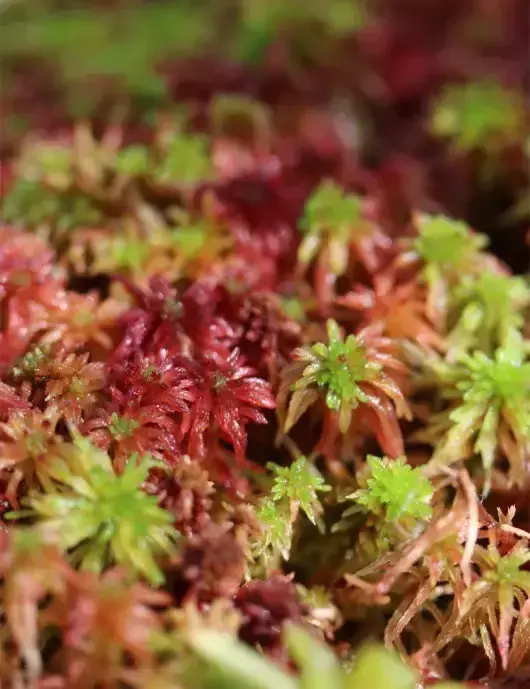
Sphagnum is a bryophyte – that is, a non-vascular plant – which grows mainly in damp environments. It is found naturally in peat bogs, marshy areas and soils that are constantly waterlogged.
Unlike many mosses, sphagnum moss has the distinctive ability to retain very large quantities of water whilst maintaining an aerated structure. This exceptional capacity is linked to the structure of its cells, some of which are specialised in water storage.
Ecologically speaking, sphagnum moss plays a fundamental role: it contributes to the formation of peat bogs, alters its environment by acidifying the soil and limits the availability of nutrients. These properties explain both its environmental importance and its horticultural value.
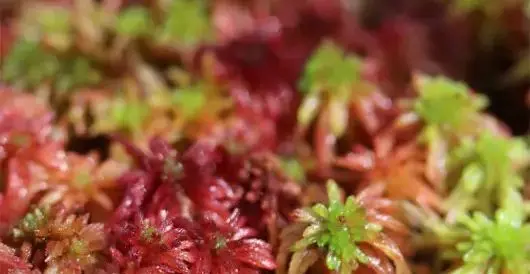
Why sphagnum moss is so widely used in horticulture
It is no coincidence that sphagnum moss has become a standard material in horticulture. It combines several properties that are rarely found together in a single growing medium.
Firstly, it offers excellent water retention whilst maintaining good air circulation around the roots. This dual effect helps to minimise the risk of the soil drying out without causing root asphyxia.
Sphagnum moss also creates a naturally nutrient-poor and acidic environment, which is unfavourable to the development of many pathogens. This characteristic is particularly valued for plants that are sensitive to excess nutrients or overly rich growing media.
Finally, its fibrous structure makes it suitable for a wide range of uses: as a primary growing medium, a component in potting mixes, a top-dressing, a growing medium, or even a means of regulating humidity in a closed environment.
Live sphagnum and dried sphagnum: key concepts
There are generally two main types of sphagnum moss used in horticulture: live sphagnum moss and dehydrated sphagnum moss.
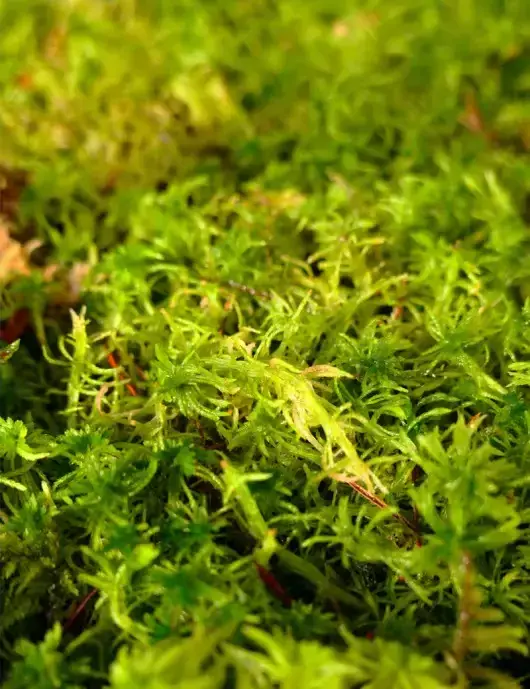
Live sphagnum is used for its active properties. It continues to grow, helps maintain a humid microclimate and can play an aesthetic and functional role, particularly in terrariums or in humid growing conditions.
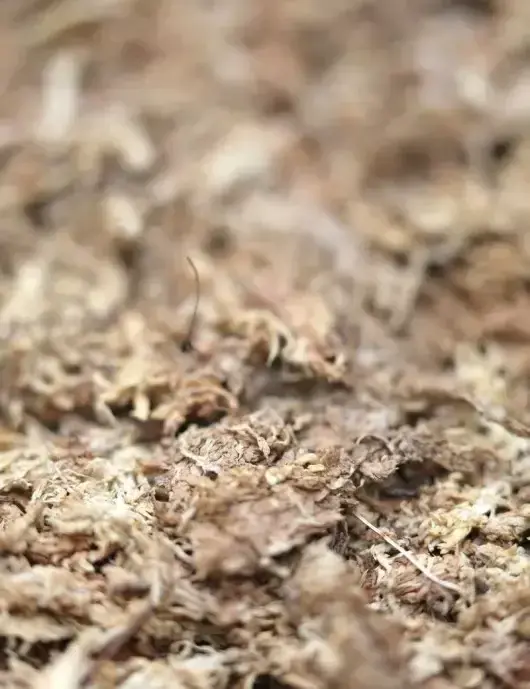
Dehydrated sphagnum, on the other hand, is harvested, dried and then rehydrated before use. It no longer grows, but retains its physical properties: water retention, aeration and substrate stability. This is the form most commonly used for pot cultivation.
The choice between these two forms depends mainly on the intended purpose, the type of plant being grown and the growing conditions.
Which plants is sphagnum moss used for?
Sphagnum moss is used for a wide range of plants, extending far beyond carnivorous plants alone.
It is commonly used for carnivorous plants that thrive in moist, acidic and nutrient-poor environments, particularly in well-draining growing media or in pure culture, depending on the species.
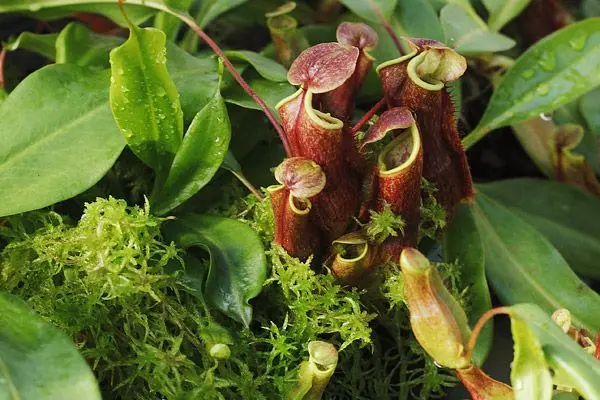
Orchids, particularly epiphytic species, also benefit from the airy structure of sphagnum moss, which helps to maintain a constant level of moisture around the roots without excessive waterlogging.
For epiphytic plants in the broadest sense, sphagnum moss is often used as a mounting medium or as a component of a lightweight growing medium, mimicking the natural growing conditions on tree trunks or rocks.
Certain bromeliads, including Neoregelia, use sphagnum moss to retain moisture, particularly in soilless cultivation or in terrariums, where it helps to stabilise the environment.
Key guidelines for using sphagnum moss
Using sphagnum moss requires adherence to a few basic principles to avoid common mistakes.
The first rule concerns preparation. Dried sphagnum moss must be properly rehydrated before use to restore its suppleness and water-retention capacity.
Density is key: sphagnum that is too compact restricts air circulation, whilst sphagnum that is too loose can dry out quickly. Finding the right balance is essential for root health.
Water management is also crucial. Sphagnum retains moisture very effectively, which means watering and ventilation must be adjusted accordingly, especially when growing indoors.
Growing and maintaining live sphagnum moss (overview)
Cultivating live sphagnum moss relies on relatively simple but strict conditions: very pure water, sufficient light and high humidity.
Growth depends heavily on water quality and light exposure. Too little light slows growth, whilst excessive light without adequate humidity can cause the sphagnum to dry out.
Care mainly involves monitoring the balance between humidity, aeration and light, and taking action when the sphagnum moss shows signs of ageing or stress.
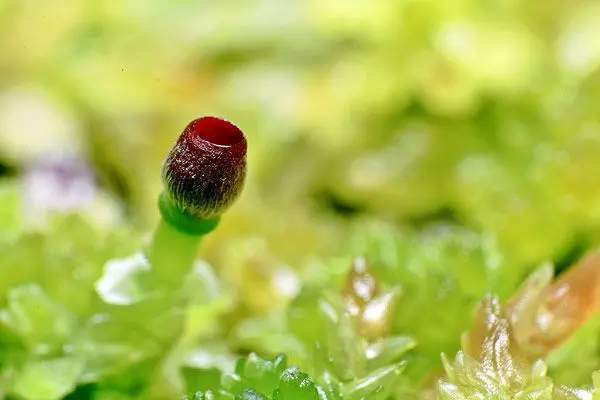
Common problems associated with sphagnum moss
Several problems can arise when using sphagnum moss.
Browning is one of the most common. It may be caused by an excess of minerals, a lack of light or the natural ageing of the material.
Algae or mould contamination often occurs in overly confined conditions with insufficient ventilation.
Finally, over time, sphagnum moss can degrade and become compacted, gradually losing its physical properties. Regular monitoring helps to anticipate these issues.
Sphagnum quality: understanding the differences
Not all sphagnum moss is created equal. Quality depends on several key criteria: fibre length, elasticity, water-holding capacity and long-term stability.
Chilean sphagnum is widely recognised for its horticultural quality. It is characterised by long, strong and minimally fragmented fibres, offering excellent aeration and high durability in use.
Compared with sphagnum moss from other sources or from less selective harvests, it compacts less quickly and retains its properties for a longer period. These differences have a direct impact on the success of crops, particularly for sensitive plants.
Understanding these distinctions enables you to make an informed choice and avoid products of insufficient quality, which are often a source of problems in the medium term.
Sphagnum moss and the environment: challenges and best practice
Sphagnum plays a major ecological role in peatlands, which are ecosystems that are essential for biodiversity and carbon storage.
Its use in horticulture therefore raises legitimate environmental concerns. Harvesting, site management and restoration practices are key to minimising the impact on these fragile habitats.
Adopting a responsible approach involves prioritising high-quality products, optimising the use of sphagnum moss and avoiding waste. Sensible use makes it possible to balance horticultural efficiency with respect for ecosystems.
Conclusion
Sphagnum moss is much more than just a horticultural growing medium. Thanks to its unique water-retention, aeration and stability properties, it is a material of choice for many plants with specific requirements. However, its effectiveness depends directly on its quality, origin and how it is used.
Understanding the differences between types of sphagnum moss, adapting its use to the plants being grown and adopting a sensible approach allows one to take full advantage of its benefits whilst minimising long-term problems. When chosen wisely and used correctly, sphagnum moss remains a valuable ally for controlled and sustainable horticulture.
FAQ – Sphagnum moss
What exactly is sphagnum moss?
Sphagnum is a bryophyte that grows in damp habitats such as peat bogs. It is characterised by its exceptional ability to retain water whilst remaining well-aerated.
What is the difference between live sphagnum moss and dried sphagnum moss?
Live sphagnum moss continues to grow and acts as an active medium, whilst dehydrated sphagnum moss is rehydrated before use and serves primarily as a substrate or culture medium.
Which plants is sphagnum moss used for?
Sphagnum moss is used for carnivorous plants, many orchids, epiphytes and certain bromeliads such as Neoregelia.
Why is sphagnum moss valued in horticulture?
It combines high water retention with good aeration, whilst creating a nutrient-poor, acidic environment suitable for plants that are sensitive to excess nutrients.
Are all sphagnum mosses of the same quality?
No. The quality varies depending on the origin, the length of the fibres and its long-term stability. Some sphagnum mosses, such as those from Chile, are renowned for their durability and airy structure.
Can sphagnum moss be reused?
Sphagnum moss can sometimes be reused, but it breaks down over time and gradually loses its physical properties, meaning it needs to be replaced regularly.
For sale in the Karnivores shop
Love Growing guide & tips? Don't miss our plants and exclusive offers in the online shop.
Read next
Quartz sand for carnivorous plants: what is it used for and how do you use it?
How to care for and maintain xaxim in a terrarium and a tropical greenhouse
Cork oak bark: an ideal natural substrate for epiphytic plants and terrariums

Free delivery on orders of €59 or more until midnight on Sunday
Oxalis triangularis: growing, care and tips
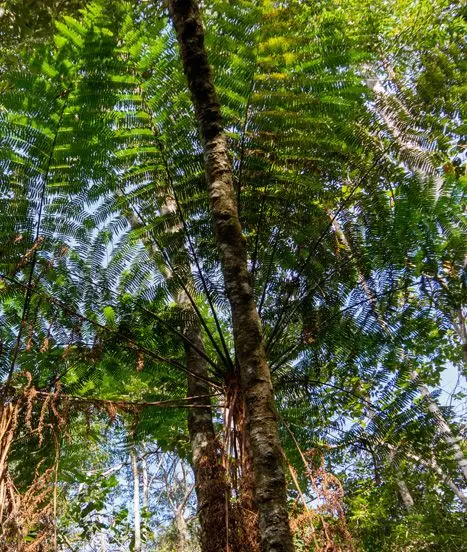
Dicksonia sellowiana: an iconic tree fern of the xaxim