
Dried sphagnum moss or standard growing medium: which is best for truly healthy plants?
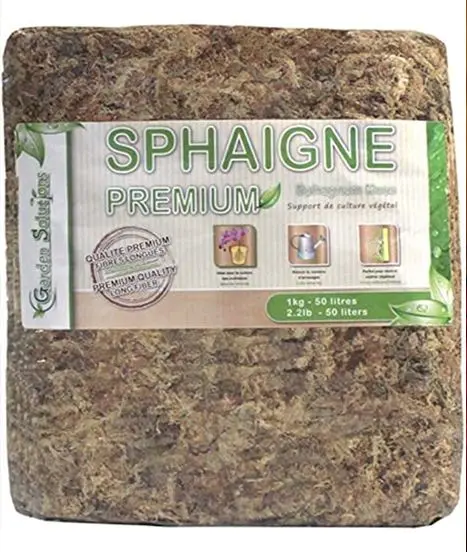
The growing medium is the foundation of any successful cultivation. Yet many growers continue to use traditional mixtures based on peat or potting compost without always considering whether they are actually suitable for their plants.
Dehydrated sphagnum moss is now emerging as a particularly attractive alternative, especially for carnivorous plants and species sensitive to excess nutrients. Let’s take a practical look at its advantages over conventional growing media.
A naturally aerated and stable structure
Better oxygenation of the roots
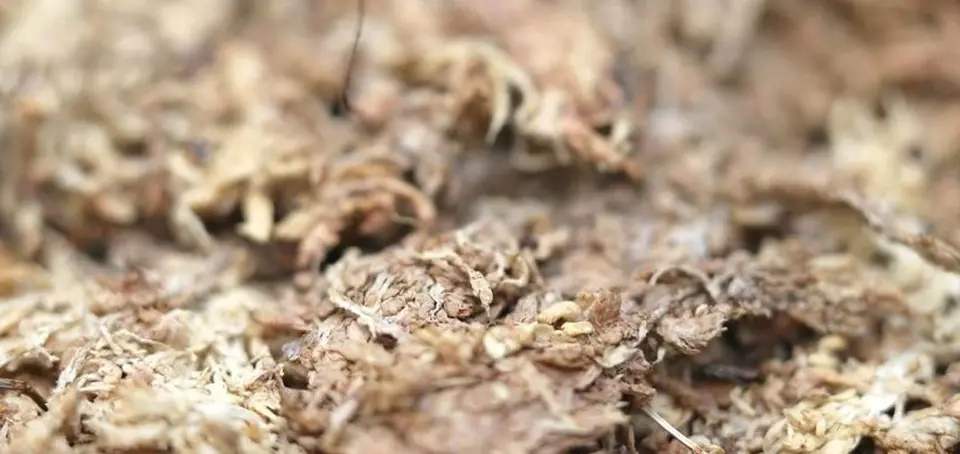
Sphagnum moss has a unique fibrous structure. Its long fibres create natural air spaces that allow the roots to breathe properly whilst remaining in a moist environment.
In contrast, a conventional growing medium can become compacted over time, particularly when it contains fine peat. This compaction restricts air circulation and can weaken the root system.
Long-term stability
Sphagnum moss retains its texture for longer. It breaks down slowly and maintains good structural integrity, which reduces the need for frequent repotting caused by the substrate settling.
More balanced moisture management
High water-retention capacity
Dehydrated sphagnum moss is capable of absorbing several times its weight in water. It acts as a natural reservoir that maintains a constant level of moisture around the roots.
Reduced risk of rot
Unlike some conventional mixes, which can remain waterlogged on the surface whilst remaining compact deeper down, sphagnum moss distributes water more evenly. This regulation limits excess standing water, which is often responsible for root diseases.
A cleaner, more neutral growing medium
Few unwanted nutrients
Carnivorous plants and other species adapted to nutrient-poor environments do not tolerate enriched growing media well. Sphagnum moss provides a naturally nutrient-poor environment that is better suited to their biological needs.
Fewer impurities and less pH fluctuation
High-quality sphagnum moss contains few fine particles and decomposes more slowly than peat. Traditional growing media, composed of several components, may see their structure and pH change more rapidly over time.
Why sphagnum moss is particularly well suited to carnivorous plants
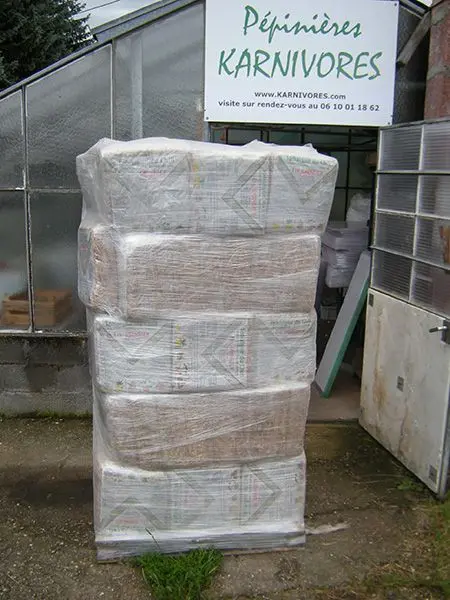
Carnivorous plants grow naturally in acidic, moist and nutrient-poor environments. Sphagnum moss replicates these conditions more faithfully than standard potting compost.
It promotes healthy root development, minimises imbalances caused by mineral inputs and provides an environment closer to their natural habitat.
Should we abandon conventional growing media altogether?
Traditional growing media remain suitable for many ornamental plants. However, for specific, delicate or moisture-sensitive crops, dehydrated sphagnum moss often represents a more stable and consistent solution in the long term.
It is not merely a passing fad, but a well-considered technical choice.
Conclusion: a more precise choice for controlled cultivation
Opting for dehydrated sphagnum moss means prioritising better aeration, more balanced water management and a growing medium that is naturally suited to sensitive plants.
FAQ – Dried sphagnum moss or standard growing medium
Is dried sphagnum moss better than peat?
Dried sphagnum moss generally provides better aeration and more balanced moisture management than peat alone. It compacts less over time and further reduces the risk of root rot, making it more suitable for sensitive plants.
Can a conventional growing medium be completely replaced with dried sphagnum moss?
Yes, particularly for carnivorous plants and species that thrive in acidic, nutrient-poor and damp environments. For more traditional ornamental plants, however, a suitable mix may still be appropriate.
Does dried sphagnum moss retain too much water?
No. It has a high water-holding capacity whilst remaining naturally well-aerated. Water is distributed more evenly, which reduces excess water and waterlogging – the causes of root diseases.
Does dried sphagnum moss break down quickly?
It decomposes more slowly than many traditional organic growing media. Its structure remains stable for longer, which helps to minimise subsidence of the growing medium and the need for overly frequent repotting.
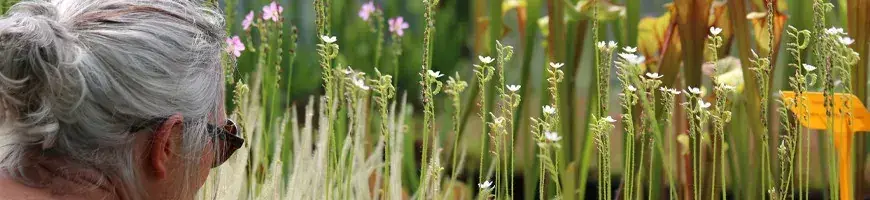
For sale in the Karnivores shop
Love Growing guide & tips? Don't miss our plants and exclusive offers in the online shop.
Read next
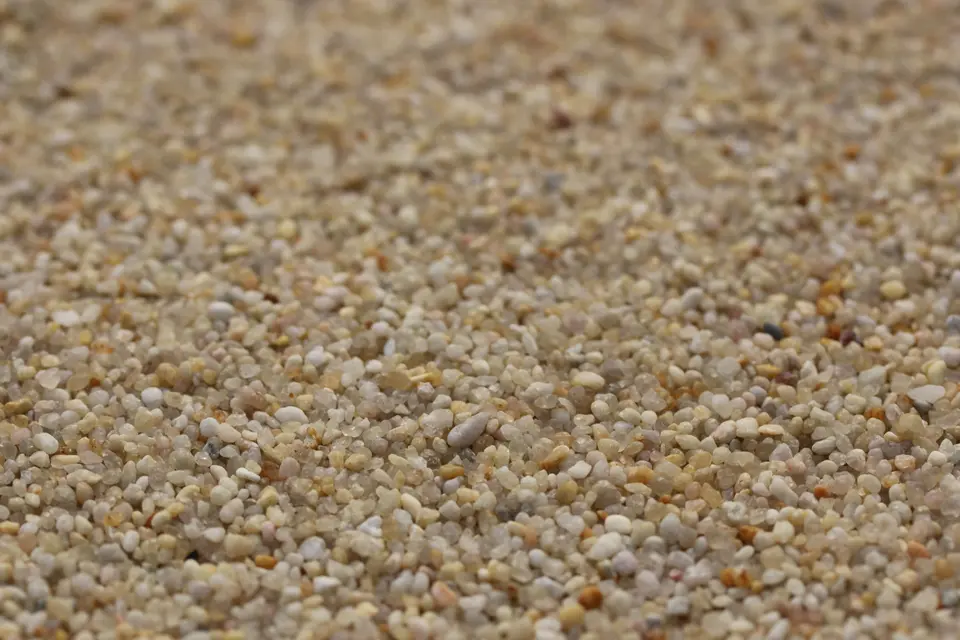
Quartz sand for carnivorous plants: what is it used for and how do you use it?
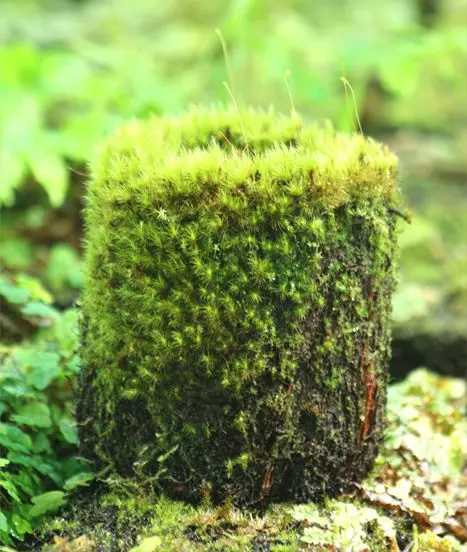
How to care for and maintain xaxim in a terrarium and a tropical greenhouse
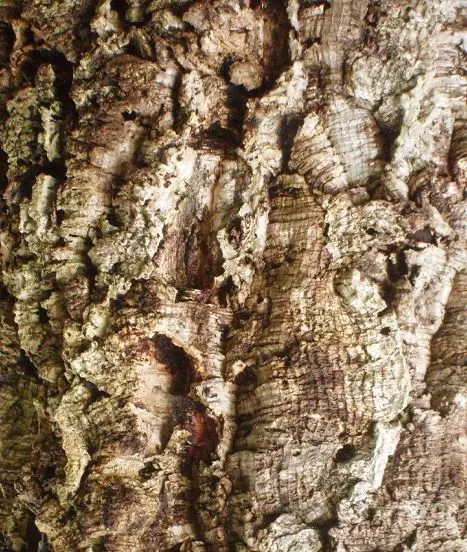
Cork oak bark: an ideal natural substrate for epiphytic plants and terrariums
Free delivery on orders of €59 or more until midnight on Sunday
Oxalis triangularis: growing, care and tips
Dicksonia sellowiana: an iconic tree fern of the xaxim