
Dicksonia sellowiana: an iconic tree fern of the xaxim
Introduction
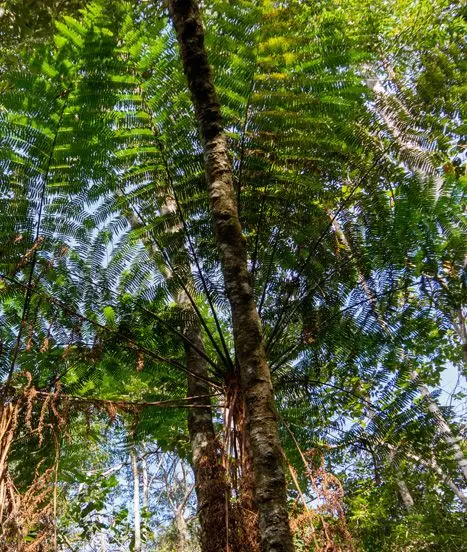
Dicksonia sellowiana, often known as xaxim or the Brazilian tree fern, is an iconic species of the rainforests of South America. Both primitive, majestic and highly ornamental, it develops a fibrous trunk topped by a large cluster of elegant fronds that can exceed two metres in length.
Highly sought-after in horticulture, this fern stands out for its unique aesthetic appeal and distinctive biological characteristics.
It is particularly prized for its architectural form, its ability to thrive in shaded and humid environments, and its spongy trunk, which can retain water and create a veritable micro-ecosystem.
Historically, its trunk was used to produce xaxim, a horticultural medium widely used in tropical cultivation. Today, the species is protected and only plants from controlled cultivation are authorised for sale.
Characteristics of Dicksonia sellowiana
Dicksonia sellowiana belongs to the family Dicksoniaceae, an ancient group of tree ferns.
Native to Brazil, Paraguay and Argentina, it grows naturally in cool, shaded, humid forests.
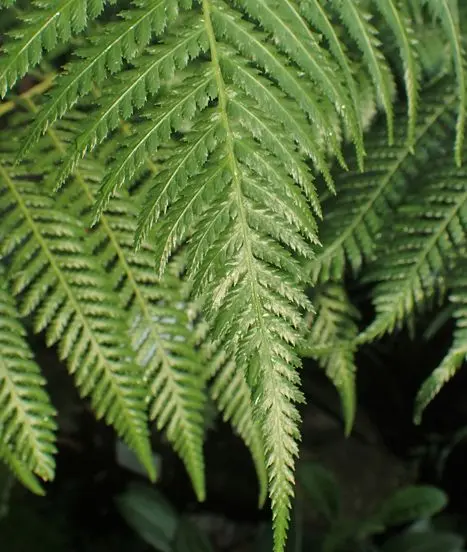
Its fibrous trunk can reach between 2 and 6 metres in its natural habitat, whilst its deeply lobed, deep green fronds generally measure between 1 and 2 metres.
It grows slowly but steadily, provided it is in a consistently moist environment. The trunk plays a key role: it acts like a sponge, storing water and enabling the plant to better withstand drier periods.
This is a protected species, and collection from the wild is strictly prohibited.
Temperatures and cold hardiness
Dicksonia sellowiana thrives in temperatures between 15 and 25°C.
The foliage begins to suffer damage at -7°C, but this does not prevent the plant from regrowing in spring provided the trunk has not frozen. With suitable protection, it can occasionally withstand lower temperatures, down to around -10°C.
However, it remains sensitive to prolonged frost, which can cause irreparable damage to the heart of the plant.
Cultivation of Dicksonia sellowiana
Exposure
Dicksonia sellowiana should be placed in the shade or in bright partial shade.
It prefers a spot sheltered from cold winds, with soft, filtered light. Direct sunlight, particularly in the afternoon, must be avoided at all costs as it will quickly scorch the fronds.
Indoors, a bright room without direct sunlight is ideal.
Temperature and humidity
In cold climates, growing the plant in a pot is recommended so that it can be protected during winter.
Indoors or in a greenhouse, good ambient humidity is essential. If the air is too dry, using a humidifier or placing a bowl of water nearby will help maintain a suitable environment.
Watering
Watering is the key to success.
The growing medium must remain consistently moist, without any excess standing water. The trunk should also be watered regularly, as it absorbs water directly.
In summer, watering should be frequent and can be supplemented by misting. In winter, watering should be reduced but must never be stopped.
A simple indicator helps to gauge the moisture level:
a light-coloured, dry trunk indicates a lack of water, whilst a dark, supple trunk is properly hydrated.
Potting mix
The growing medium should be rich, humus-rich and well-draining.
A balanced mix can consist of potting compost, compost, bark and perlite. The soil should remain light, cool and slightly acidic.
The trunk can be slightly buried to ensure greater stability.
Fertilisation
In spring and summer, a monthly application ofspecialised fern fertiliser or a mild organic fertiliser is sufficient. Avoid using fertilisers that are too concentrated, as they can damage the roots and trunk.
Care and growth
The fronds are renewed each year, gradually forming a dense and attractive crown.
In the event of frost, the fronds may be destroyed, but the plant will recover if the centre of the trunk remains intact. Propagation is mainly by spores, a lengthy and technical method that is rarely used by amateur growers.
Over time, the trunk may become home to mosses and small ferns, creating a natural micro-ecosystem that is particularly interesting in a greenhouse or a shaded garden.
Best practice
Maintaining constant moisture levels in the trunk and growing medium is essential. Placing the plant in the shade or in filtered light helps prevent sunburn.
Winter protection (mulch, fleece or a greenhouse) is recommended in cold climates. Spraying with water during the summer promotes optimal growth. Repotting every 3 to 4 years is advised when growing in pots, with the addition of compost in the spring.
Mistakes to avoid
Allowing the trunk to dry out is the most common and damaging mistake. Exposure to direct sunlight causes the fronds to scorch quickly. Standing water around the roots can lead to rot.
A compact or clay-heavy growing medium is unsuitable. The trunk must never be cut, as this will result in the permanent loss of the plant. Finally, it is essential to avoid purchasing xaxim that has been harvested from the wild.
Conclusion
Dicksonia sellowiana is a spectacular tree fern, ideal for creating a tropical atmosphere in a shaded garden, greenhouse or bright indoor space. With constant humidity, suitable light conditions and a trunk that is always kept moist, this species grows slowly but steadily, offering lush foliage and a unique visual presence.
It is a particularly good choice for lovers of exotic plants wishing to recreate a natural and vibrant environment.
FAQ – Dicksonia sellowiana
What is Dicksonia sellowiana?
It is a South American tree fern characterised by a fibrous trunk and large, decorative fronds.
Why do we talk about xaxim?
Xaxim is the material obtained from the trunk of this fern, which has historically been used as a horticultural medium.
What level of exposure is right for him?
A light-filled shaded or semi-shaded spot, out of direct sunlight.
How should Dicksonia sellowiana be watered?
You should water both the growing medium and the trunk, maintaining a constant level of moisture without overwatering.
Is it cold-resistant?
It can withstand occasional light frosts, but remains sensitive to prolonged frost.
Can it be grown in a pot?
Yes, it’s actually recommended in cold climates, using a deep container and a rich growing medium.
Is she safe?
Yes, the species is protected and only plants grown in cultivation are permitted for sale.
For sale in the Karnivores shop
Love Growing guide & tips? Don't miss our plants and exclusive offers in the online shop.
Read next
Quartz sand for carnivorous plants: what is it used for and how do you use it?
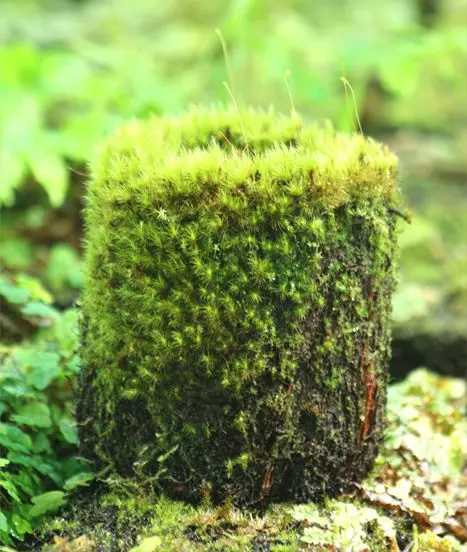
How to care for and maintain xaxim in a terrarium and a tropical greenhouse
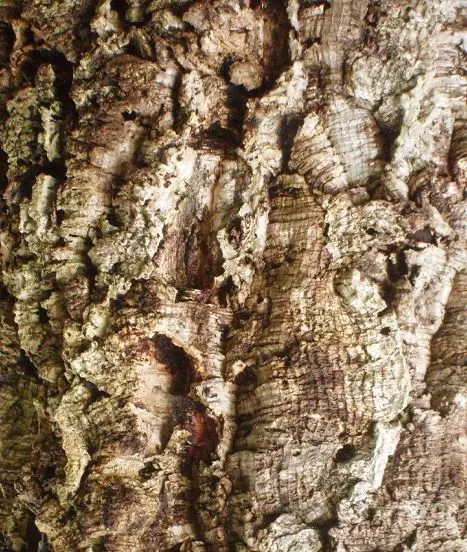
Cork oak bark: an ideal natural substrate for epiphytic plants and terrariums
Free delivery on orders of €59 or more until midnight on Sunday
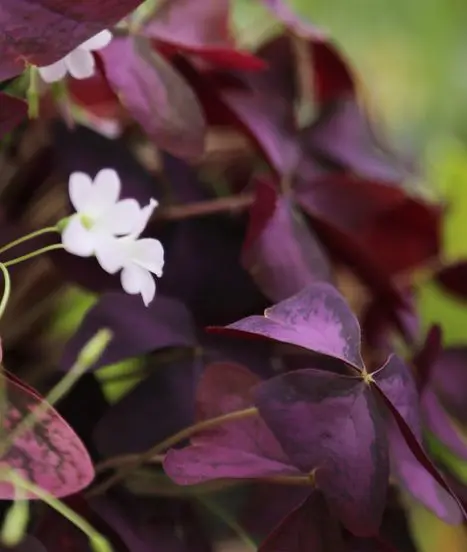
Oxalis triangularis: growing, care and tips
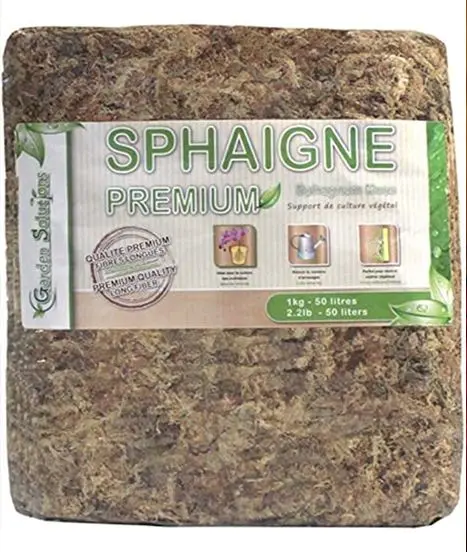
Dried sphagnum moss or standard growing medium: which is best for truly healthy plants?