
How do you prepare and rehydrate dried sphagnum moss correctly?
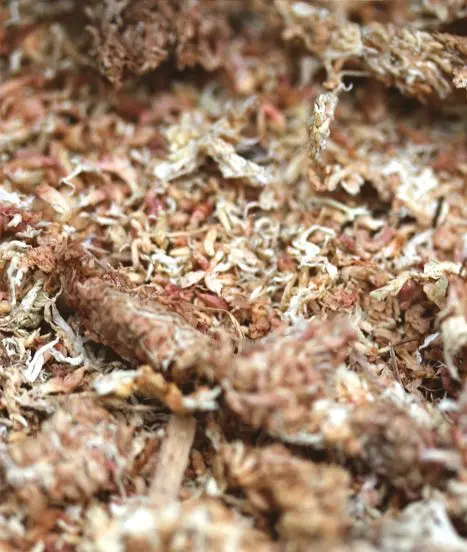
Dried sphagnum moss is widely used in specialist horticulture, whether for carnivorous plants, orchids, epiphytes or certain bromeliads. However, many growers are reluctant to use it for fear of preparing it incorrectly or making irreversible mistakes.
The good news is that rehydrating dried sphagnum moss correctly is simple, provided you follow a few basic principles. This article aims to guide you step by step, answer the most frequently asked questions and help you use sphagnum moss with confidence.
Why is it important to prepare dried sphagnum moss properly?
When dry, sphagnum moss is highly compressed and completely inactive. Incorrect rehydration can lead to several problems: moss that is too compact, excess standing water, poor aeration or the development of mould.
Properly prepared sphagnum moss, on the other hand, regains a light, fibrous structure. It effectively retains moisture whilst allowing air to circulate, which is precisely what many plants that are sensitive to heavy growing media require.
The aim of preparation is therefore not to ‘swell’ the sphagnum as much as possible, but to restore its balanced structure.
What water to use to rehydrate sphagnum moss
The choice of water is important. Sphagnum moss is naturally low in minerals and sensitive to dissolved salts.
It is recommended to use (though I’m sure you already know this):
- rainwater
- osmosis water
- or demineralised water
Tap water, especially if it’s hard, can gradually alter the properties of sphagnum moss and encourage the build-up of unwanted minerals. For occasional use, this is rarely a disaster, but for sensitive plants, it’s best to avoid it.
A simple method for rehydrating dried sphagnum moss
The most reliable method is also the simplest.
Place the required amount of sphagnum moss in a clean container, large enough for it to expand. Gradually add water until the sphagnum moss is completely saturated. Within a few minutes, it will begin to relax and regain its volume.
Leave it to soak for about ten minutes, then gently squeeze it out by hand. The sphagnum moss should remain damp, but should not drip when pressed lightly. This step is essential: sphagnum moss that is too waterlogged becomes compact and loses its effectiveness.
Once squeezed out, it is ready for use.
Should sphagnum moss be rinsed after rehydration?
Rinsing isn’t essential, but it can be useful in some cases, particularly if the sphagnum moss is very dusty (which is why it’s important to choose your dried sphagnum moss carefully) or if you wish to remove any impurities that may have been introduced during transport.
A light rinse with clean water, followed by another squeeze, is more than enough. There’s no need to rinse it repeatedly or handle the sphagnum moss excessively, as this risks breaking the fibres.
What texture should it have after preparation?
Properly rehydrated sphagnum moss should be:
- supple
- light
- airy
- easy to mould
It must not form a compact mass or crumble into fine particles. If it seems too dense, this is usually because it still contains too much water. Squeezing out any excess water will solve the problem.
This texture is essential to ensure good air circulation around the roots, particularly for orchids, epiphytes or plants grown in a humid environment.
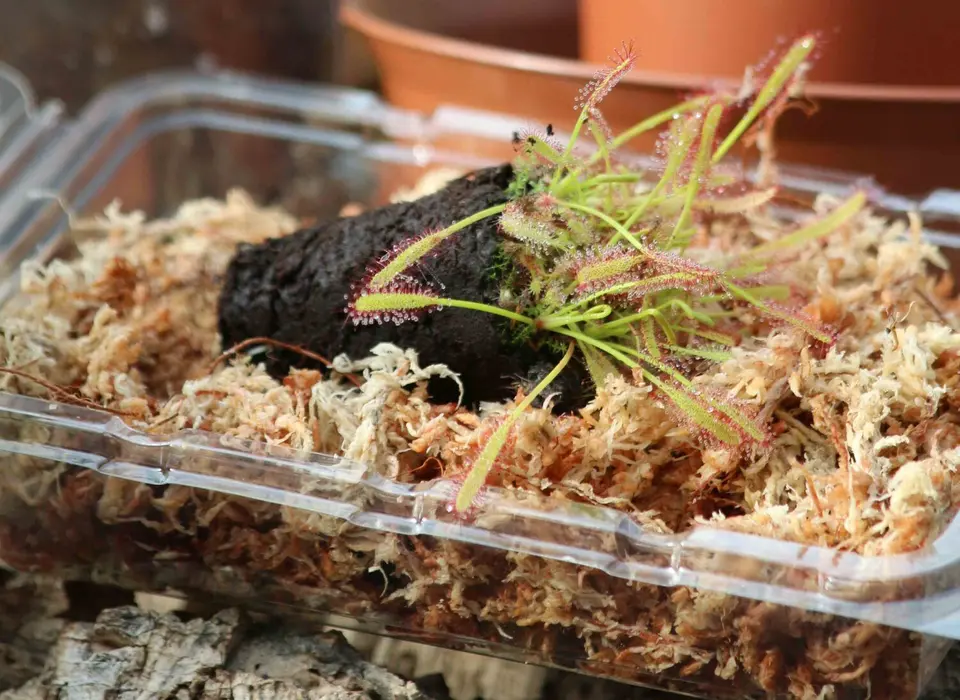
Can sphagnum moss be prepared in advance?
Yes, it is perfectly possible to prepare sphagnum moss in advance… In fact, it is actually recommended! Once rehydrated and squeezed dry, it can be stored in a clean, loosely covered container for weeks, thanks to the very characteristics that make it so valuable for plant cultivation.
It is important to check regularly that it does not develop any odour or mould. If it does, it is best not to use it. Healthy sphagnum moss retains a neutral odour and a fresh texture.
Common mistakes to avoid
The most common mistake is using sphagnum moss that is too wet. This creates a suffocating environment, which is counterproductive to the desired outcome.
Another mistake is packing it down too tightly when placing it in a pot or planting bed. Sphagnum moss must remain well-aerated; it will settle naturally over time.
Finally, there is no need to add fertilisers or additives during preparation. Sphagnum moss is used precisely because it is nutrient-poor and neutral.
Conclusion
Dried sphagnum moss is a simple material to use, provided you follow a few basic rules. Gradual rehydration, thorough wringing out and gentle handling are all that is needed to achieve an effective and long-lasting growing medium.
When prepared correctly, sphagnum moss becomes a reliable and versatile growing medium, perfectly suited to many demanding plants, and allows you to use it with confidence, even if it’s your first time.
FAQ – Preparing and rehydrating dried sphagnum moss
How long does it take to rehydrate dried sphagnum moss?
Sphagnum moss begins to rehydrate within a few minutes, but it is advisable to leave it to soak for around 10 to 15 minutes so that it fully regains its suppleness and volume before use.
What sort of water should be used to rehydrate sphagnum moss?
It is best to use water with a low mineral content, such as rainwater, reverse-osmosis water or demineralised water. Water that is too hard can, in the long term, affect the properties of sphagnum moss.
Should sphagnum moss be wrung out after rehydration?
Yes. After rehydration, the sphagnum moss should be gently squeezed by hand. It should remain damp without dripping, to ensure good aeration and prevent excess standing water.
Can sphagnum moss be used straight after rehydration?
Yes, once rehydrated and properly squeezed out, sphagnum moss is immediately ready for use, whether for repotting, arranging plants or as a growing medium.
Can dried sphagnum moss be prepared in advance?
Yes. Rehydrated sphagnum moss can be kept for several days in a clean, loosely covered container. However, it is important to check it regularly to ensure it remains healthy and free from any suspicious odours.
What are the most common mistakes made during rehydration?
The most common mistakes are using sphagnum moss that is too waterlogged, compacting the soil too much when planting, and unnecessarily adding fertiliser or additives, which can harm the plants.
For sale in the Karnivores shop
Love Growing guide & tips? Don't miss our plants and exclusive offers in the online shop.
Read next
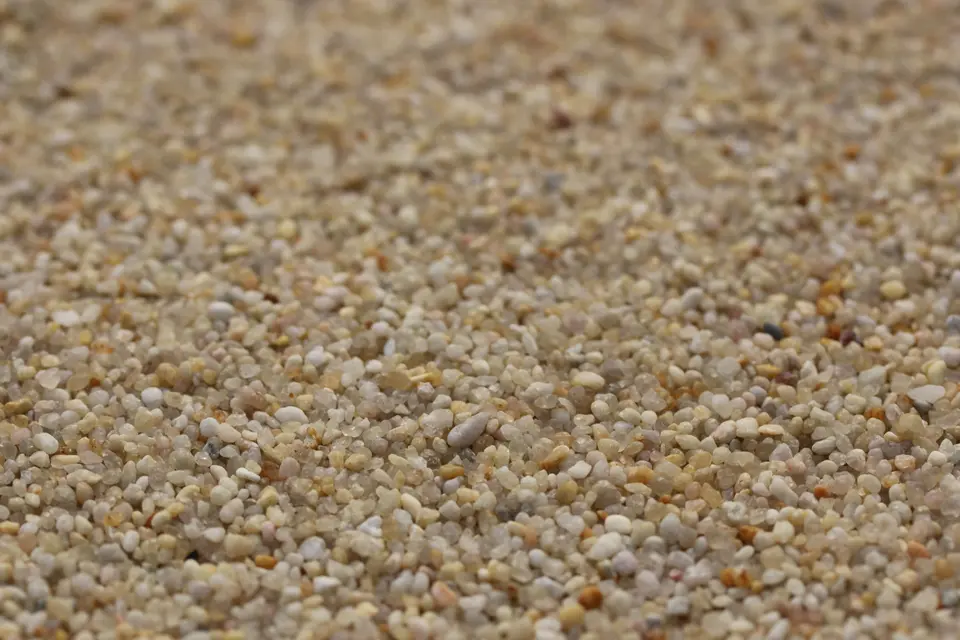
Quartz sand for carnivorous plants: what is it used for and how do you use it?
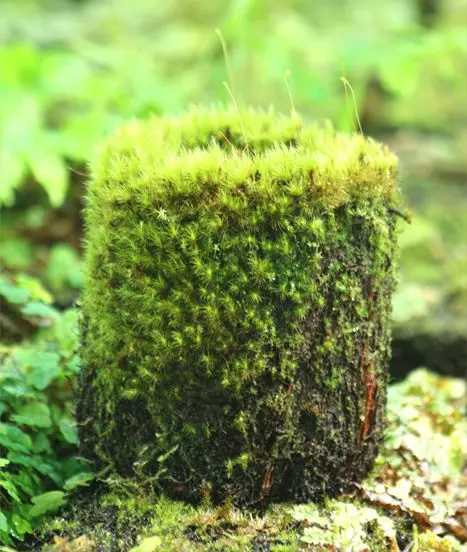
How to care for and maintain xaxim in a terrarium and a tropical greenhouse
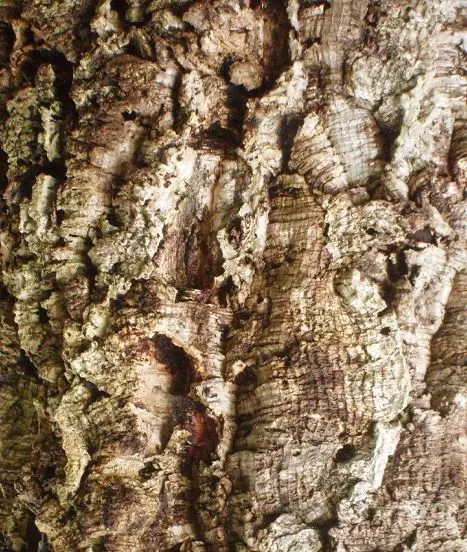
Cork oak bark: an ideal natural substrate for epiphytic plants and terrariums

Free delivery on orders of €59 or more until midnight on Sunday
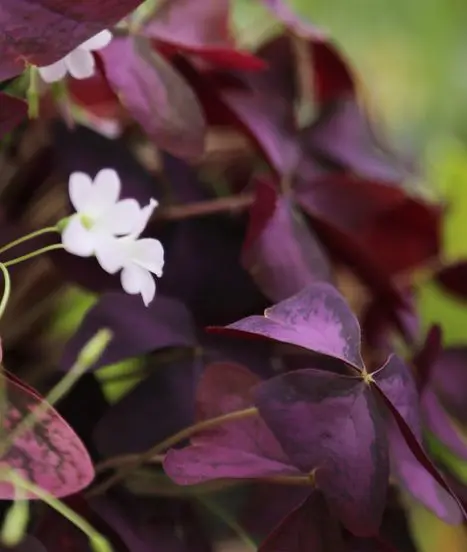
Oxalis triangularis: growing, care and tips
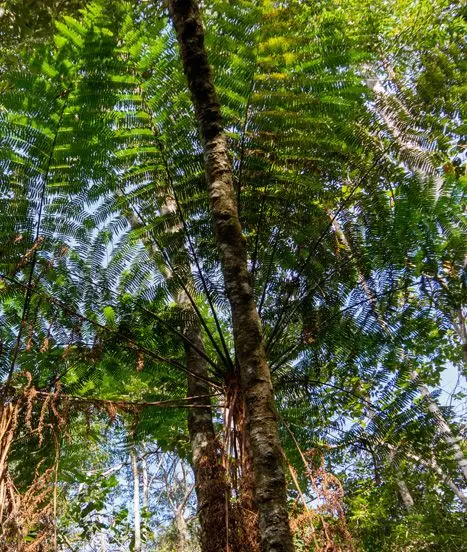
Dicksonia sellowiana: an iconic tree fern of the xaxim