
Dried sphagnum moss: New Zealand, Chile or Madagascar – which one should you choose?
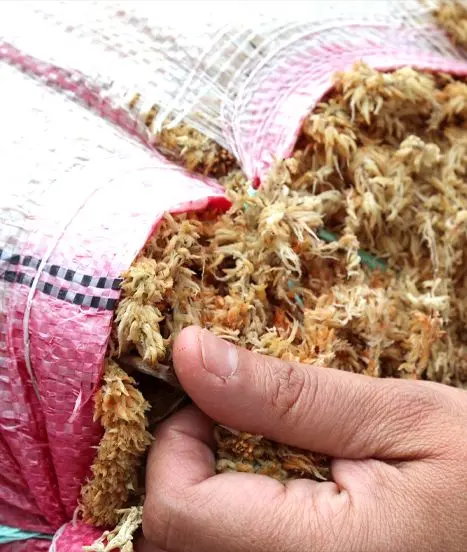
Dehydrated sphagnum moss has become an essential growing medium in specialist horticulture. Used for carnivorous plants as well as orchids, bromeliads, epiphytes and even certain Neoregelia species, it is prized for its exceptional ability to retain water whilst maintaining excellent aeration.
However, not all dehydrated sphagnum moss is created equal. Depending on its geographical origin, its physical properties, durability and performance in cultivation can vary significantly. New Zealand, Chile or Madagascar: what are the real differences, and above all, which sphagnum moss should you choose depending on your intended use?
Why the origin of sphagnum is a key factor
Sphagnum is not a standardised material. It comprises a range of species within the Sphagnum genus, harvested from very different environments across the globe. Climate, natural growth patterns, and harvesting and processing methods directly influence the final structure of the product.
Origin affects several key parameters: fibre length, elasticity once rehydrated, dust content, water-holding capacity, long-term performance and substrate stability. These factors are crucial for demanding crops, particularly in humid environments or in soilless cultivation.

New Zealand sphagnum moss: uniform and very clean
New Zealand sphagnum moss enjoys an excellent reputation, particularly amongst orchid enthusiasts. It is often prized for its uniform texture and clean appearance once rehydrated.
It generally offers good water-retention capacity and a relatively stable structure. This consistency makes it a convenient substrate to use, particularly for repotting orchids or for crops requiring precise humidity control.
On the other hand, it is often expensive and availability can vary. Depending on the batch, the fibres may also be shorter, which can sometimes limit aeration in very damp or compacted growing media.
Madagascar sphagnum moss: highly absorbent but more variable
Madagascar sphagnum moss is widely available on the horticultural market. It is characterised by a high absorption capacity, which can be beneficial for certain plants that prefer constant moisture levels.
However, its quality can vary considerably from batch to batch. The fibres are often finer and more fragile, with what is sometimes a significant proportion of short particles. In the long term, this can lead to the substrate becoming compacted and a reduction in aeration, particularly in epiphytes or bromeliads, which are sensitive to root asphyxia.
It is better suited to occasional use, in mixtures or for tolerant plants, rather than for long-term set-ups.
Chilean sphagnum: balance, long fibres and versatility
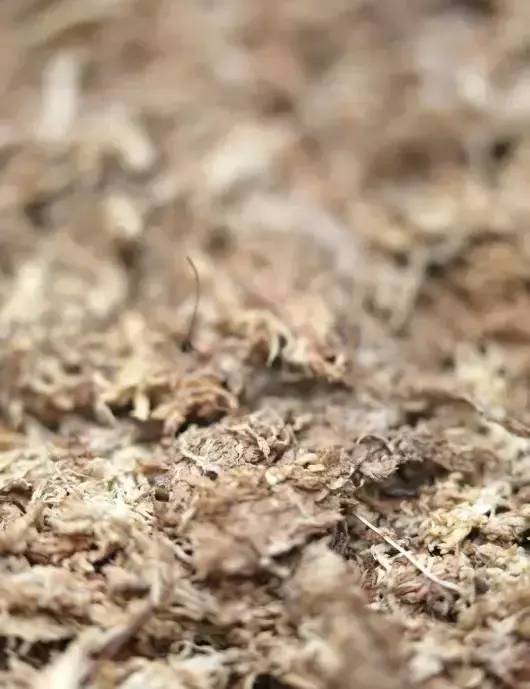
Chilean sphagnum stands out for its excellent balance between water retention, aeration and durability. Sourced from naturally damp and cool areas, it develops long, strong and well-structured fibres that retain their elasticity after rehydration.
This fibrous structure allows for excellent air circulation, even in very humid conditions. This is a major advantage for plants sensitive to excess standing water, such as orchids, epiphytes or certain Neoregelia species, which thrive in a growing medium that is both moist and perfectly well-drained.
Chilean sphagnum moss also has the advantage of producing little dust when of good quality, which limits the substrate from becoming clogged over time. Its long-lasting performance makes it a particularly suitable choice for long-term plantings, whether in pots, baskets or vertical displays.
Comparison of uses according to plant type
For orchids, priority is often given to root aeration and substrate stability. Long-fibred sphagnum moss, capable of retaining its structure, is preferable to prevent compaction.
Bromeliads and plants of the genus Neoregelia require a growing medium capable of withstanding fluctuations in moisture without rotting, which necessitates a good balance between water retention and drainage.
Epiphytic plants, on the other hand, benefit from a light, breathable and durable sphagnum moss, particularly when grown mounted or in very humid environments.
In these different cases, sphagnum moss that is too fine or too unstable can quickly become problematic, even if it has high absorbency.
Which dried sphagnum moss to choose in practice
The choice of sphagnum moss should not be based solely on price or the stated origin, but on the properties required for cultivation. A stable, low-dust and well-structured sphagnum moss provides real growing comfort and reduces medium- and long-term risks.
For demanding, long-lasting and versatile cultivation, Chilean sphagnum moss is often an excellent choice. It is equally suitable for orchids, bromeliads, epiphytes and many other species requiring a reliable and balanced growing medium.
| At Karnivores, there’s no contest… Having used dehydrated sphagnum moss for so long, we know that, for cultivation purposes, Chilean sphagnum moss is truly ideal! |
|---|
Conclusion
Not all dehydrated sphagnum mosses are the same, and their origin directly influences their performance in cultivation. New Zealand offers a consistent and clean sphagnum moss, Madagascar provides high absorbency but is more variable, whilst Chile stands out for its remarkable balance between structure, aeration and durability.
Understanding these differences enables you to choose a sphagnum moss that is truly suited to your plants and growing conditions, rather than relying on a simple trade name.
FAQ – Dehydrated sphagnum moss: origin and selection
What is dried sphagnum moss?
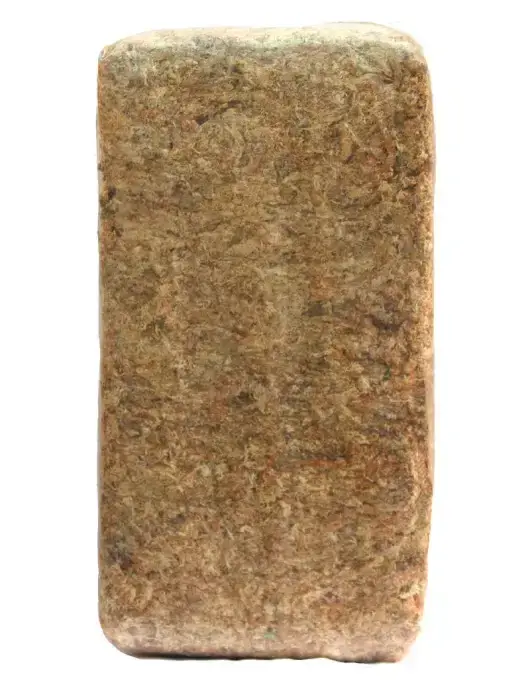
Dehydrated sphagnum is sphagnum moss that has been harvested, dried and then compressed. Once rehydrated, it regains a fibrous structure capable of retaining a large amount of water whilst maintaining good aeration, making it a widely used growing medium in specialist horticulture.
Why is the origin of sphagnum moss important?
The origin has a direct influence on fibre length, product cleanliness, dust content and long-term stability. These factors affect substrate aeration, moisture management and durability during cultivation.
What is the difference between sphagnum moss from Chile, New Zealand and Madagascar?
New Zealand sphagnum moss is renowned for its consistency and cleanliness; that from Madagascar for its high absorbency but more variable quality; whilst Chilean sphagnum moss is characterised by a good balance between long fibres, aeration and long-term durability.
Which sphagnum moss should you choose for orchids and epiphytic plants?
For orchids and epiphytic plants, it is best to use well-structured sphagnum moss that does not compact easily. Long-fibred sphagnum moss helps to retain moisture whilst ensuring good air circulation around the roots.
Is sphagnum moss suitable for bromeliads and Neoregelia?
Yes, sphagnum moss can be used for bromeliads and Neoregelias, particularly in mounted arrangements or as part of a mix. It helps to regulate moisture, provided that the substrate is not too compact, which would cause it to remain constantly waterlogged.
Does dried sphagnum moss break down over time?
Yes, like any organic material, sphagnum moss eventually decomposes. The rate at which it breaks down depends on its quality, its origin and the growing conditions. Well-structured sphagnum moss with low dust content retains its properties for longer.

For sale in the Karnivores shop
Love Growing guide & tips? Don't miss our plants and exclusive offers in the online shop.
Read next
Quartz sand for carnivorous plants: what is it used for and how do you use it?
How to care for and maintain xaxim in a terrarium and a tropical greenhouse
Cork oak bark: an ideal natural substrate for epiphytic plants and terrariums

Free delivery on orders of €59 or more until midnight on Sunday
Oxalis triangularis: growing, care and tips
Dicksonia sellowiana: an iconic tree fern of the xaxim