
Carnivorous plants: nitrogen at any cost
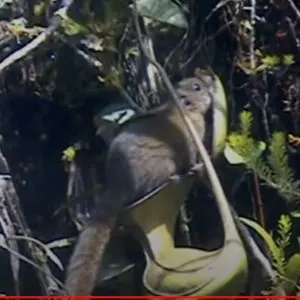
Carnivorous plants are even better adapted to their environment than one might imagine. For a start, the variety and complexity of the traps they devise amaze many an onlooker.
For example, Nepenthes (pitcher plants) come in a huge variety of colours and shapes. It’s not just for show! In fact, nothing is left to chance: everything is ‘calculated’.
Are you familiar with Nepenthes lowii, that plant with its particularly strange pitcher-like traps? When young, like many Nepenthes, its traps sit close to the ground. At this stage, they mainly capture crawling insects. Over the years, it begins to climb, using branches to suspend its traps, which take on a completely different appearance, resembling a bowl with a very wide opening. Furthermore, they no longer produce substances designed to make insects slip. And for good reason: the plant targets a different source of food – the droppings of small mammals.
Attracted by the sweet nectar produced beneath the enormous operculum, the insect lands on the urn to feed on it and defecates inside the urn, providing the nitrogen necessary for the plant’s survival. According to recent studies, some specimens appear to have no other source of nutrients available to them.
This is one example, among many, of the symbiosis between animals and carnivorous plants – a symbiosis that sometimes plays out on a very small scale. But this one is undoubtedly the most striking…
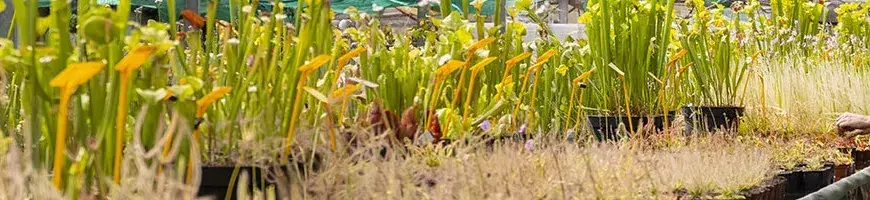
For sale in the Karnivores shop
Love Carnivorous plants? Don't miss our plants and exclusive offers in the online shop.
Read next
Saxifraga candelabrum: the flowering plant that confirms a 150-year-old hypothesis by Darwin
How does the Venus flytrap detect its prey? A 2025 study sheds light on its ‘sixth sense’
Growing Tillandsia from seed: a comprehensive guide to successful germination
Do Dionisian traps run on electricity?
How carnivorous plants digest their prey
Which plants can you grow on xaxim?