
Nepenthes
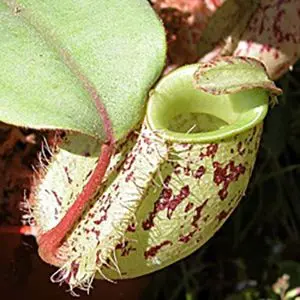
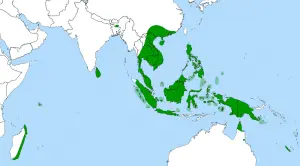
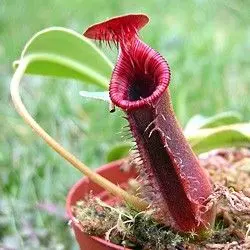
Nepenthes are large carnivorous plants with passive traps, native mainly to the islands of South-East Asia, in the so-called Old World. They generally grow in rainforests, both in lowland and mountainous areas, up to altitudes of over 3,000 metres.
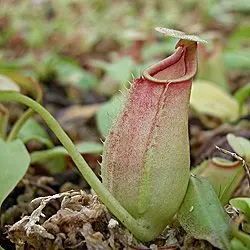
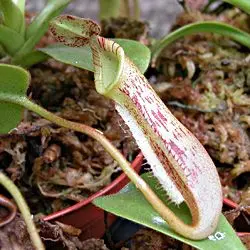
Whether terrestrial or epiphytic, they form large vines that climb up trees, at the ends of which hang urn-shaped structures that serve as insect traps. These contain a more or less sticky enzymatic liquid in which the prey suffocates, having been lured by nectar produced at the opening of the trap, known as the peristome. As with most carnivorous plants, colour also plays a key role in attracting prey. They are very often brightly coloured. The prey captured consists of crawling insects when the traps grow close to the ground (as in N. ampullaria) and flying insects when the plant begins to climb. The morphology of the urns evolves, and these are then referred to as superior urns.
There are over 120 species and many hybrids, both natural and artificial, most of which are endemic to the islands of Sumatra and Borneo.
Culture
Best practice
- Grow Nepenthes indoors, ideally in a terrarium, or under a plastic dome to retain moisture.
- Ensure that day and night temperatures are suitable for the species’ native habitat (low altitude with consistently warm conditions, or high altitude with cooler nights)
- Provide supplementary lighting, particularly between autumn and spring, and protect the plants from direct sunlight.
- Use a sphagnum-based mix: Special Nepenthes Mix.
- Keep the growing medium moderately moist all year round.
- Use a plastic pot with drainage holes.
- Provide one or two flies per pitcher when they open, depending on their size, or a carefully measured dose of fertiliser.
Things to avoid
- Growing outdoors, where the plant is exposed to draughts.
- Using a heavy mixture based on blond peat.
- Leaving the pot to stand in a saucer of water.
- Over-fertilising the pots.
Frequently asked questions
- My Nepenthes isn’t producing pitchers/its pitchers are drying out. Why is this?
This is the most frequently asked question, and for good reason: you sometimes find large Nepenthes with voluminous pitchers in garden centres (most often Nepenthes x ventrata labelled ‘Nepenthes alata’). It’s inevitable – such plants really catch the eye! The disappointment: once you get them home, within a few days the beautiful traps start to wither, starting from the hood. Another disappointment: new leaves grow, but the buds that are supposed to become pitchers fail to develop. Gradually, the beautiful carnivorous plant comes to resemble nothing more than an unremarkable houseplant. In fact, the Dutch nurseries where these specimens are grown are like a cocoon: strictly controlled temperatures and humidity, precise fertiliser application, artificial light… ideal conditions that aren’t quite replicated in garden centres, let alone at home: a real shock for the plants! What’s more, sales assistants’ advice on growing Nepenthes is rarely precise. Consequently, people end up growing them just like any other indoor houseplant. They do not require ultra-precise conditions to grow and produce pitchers; they can acclimatise, but there are a few things you need to know. Below are the factors, listed from most important to least critical, that influence the maintenance and development of those much-coveted traps… You’ll find that this advice is easier to apply to plants of moderate size than to the large specimens found in garden centres.
- Humidity. A lack ofatmospheric humidity is what causes Nepenthes traps to dry out, and is one of the factors preventing them from producing new ones. In nurseries, they are grown in heated greenhouses to replicate their natural climate. At home, you can recreate a greenhouse environment using an old aquarium, which can be converted into a terrarium for this purpose. Alternatively, small specimens can be placed under a plastic dome. There are ways to increase humidity locally: a misting system (effective and can be automated), placing a large saucer filled with water nearby, or using a hand-held spray bottle…
- Light. Intense but without direct sunlight, all year round to keep the plants healthy. If you use supplementary lighting – which is essential in winter to ensure the plants continue to produce inflorescences – 10 hours a day is sufficient.
- Temperature. Hybrids are more tolerant of temperature variations than wild species. It is worth noting that most prefer moderately warm days (20–25°C), with a slight drop at night.
Tip: You’ve received a Nepenthes in the post. After its journey, its pitchers no longer contain any liquid. To extend their lifespan, fill them with water to about a third of their volume!
FAQ — Nepenthes
What is a Nepenthes, and where does this genus come from?
Nepenthes are tropical carnivorous plants native mainly to the islands of South-East Asia — often found in lowland or mountain rainforests, sometimes at altitudes of over 3,000 metres.
What sort of trap do Nepenthes use to catch their prey?
They form urns (passive traps) suspended from vines or placed on the ground. These urns contain a viscous digestive fluid into which insects, attracted by the nectar, fall and drown, enabling digestion.
What growing conditions are required to successfully grow a Nepenthes?
Nepenthes require a warm or temperate climate, depending on the species (lowland or highland), a light, well-draining growing medium, high humidity and plenty of light, but without excessive direct sunlight.
What sort of water should you use to water a Nepenthes?
It is strongly recommended that you use water with a low mineral content (rainwater, demineralised water or reverse-osmosis water), as Nepenthes — like most carnivorous plants — are sensitive to the build-up of salts or minerals.
Why shouldn’t a Nepenthes be grown in a rich or enriched substrate?
These plants are adapted to nutrient-poor environments: a substrate that is rich in or enriched with nutrients disrupts their carnivorous physiology, can be detrimental to their health, and prevents them from making effective use of their ability to trap prey.
How can we distinguish between ‘lowland’ and ‘highland’ species, and why is this distinction important?
Lowland species come from low-lying, warm areas; they prefer high temperatures, constant humidity and a stable climate. Highland species come from mountainous areas — they tolerate cool nights, a significant day-night temperature difference, and often require cooler conditions. Choosing the right category for your environment is crucial to successful cultivation.
Sources and references
Our experience :)
HealthyHouseplants
PDF guide to growing Nepenthes
https://agetropicals.com/pages/faq-care-tips?utm
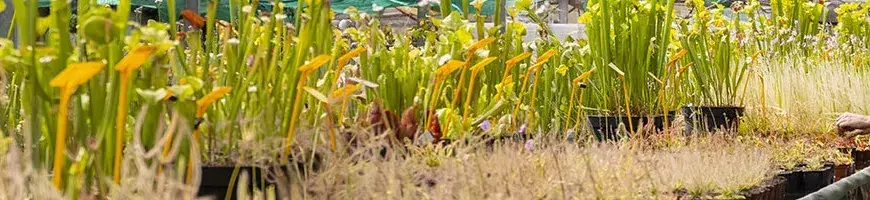
For sale in the Karnivores shop
Love Carnivorous plants? Don't miss our plants and exclusive offers in the online shop.
Read next
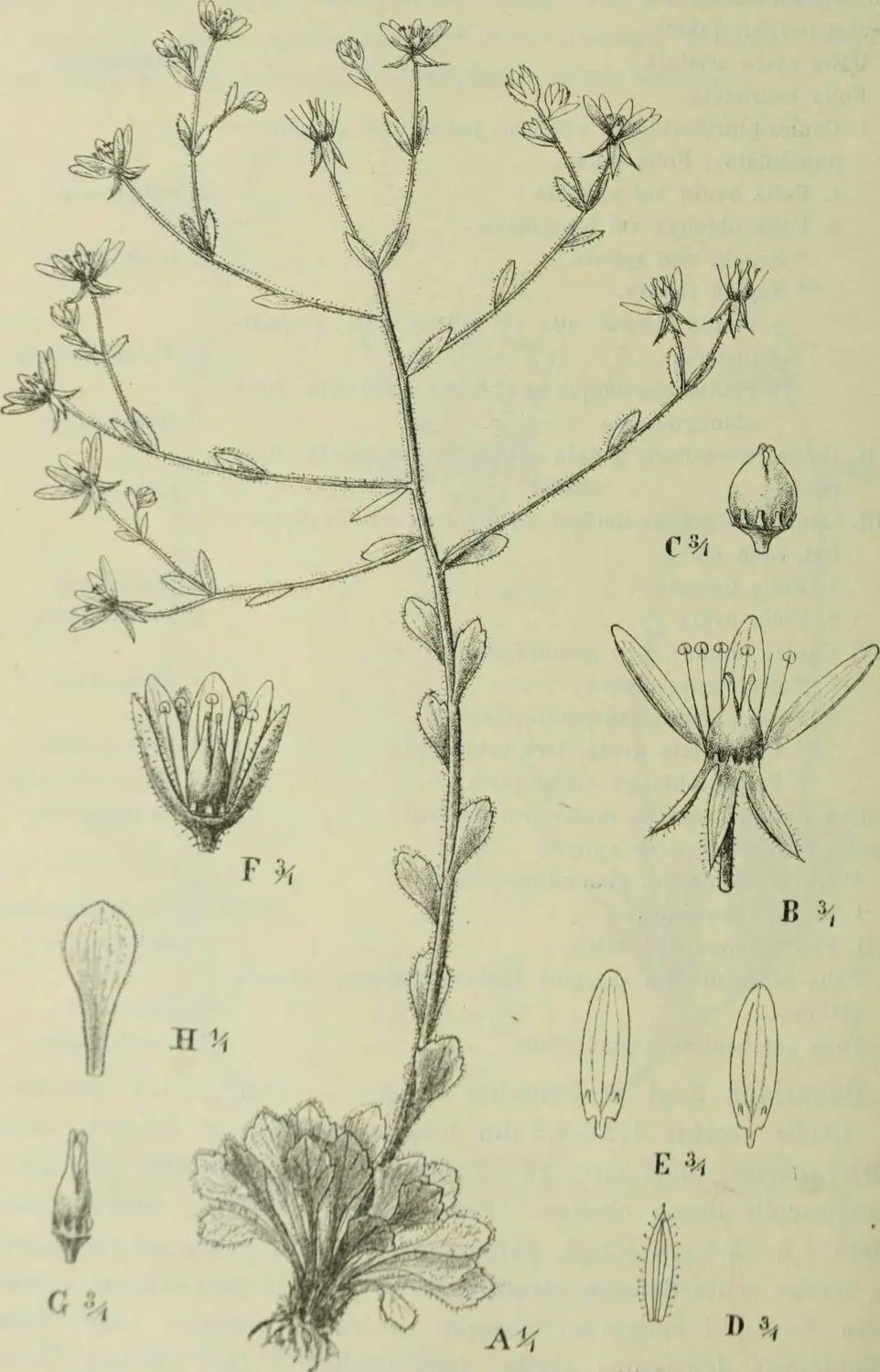
Saxifraga candelabrum: the flowering plant that confirms a 150-year-old hypothesis by Darwin
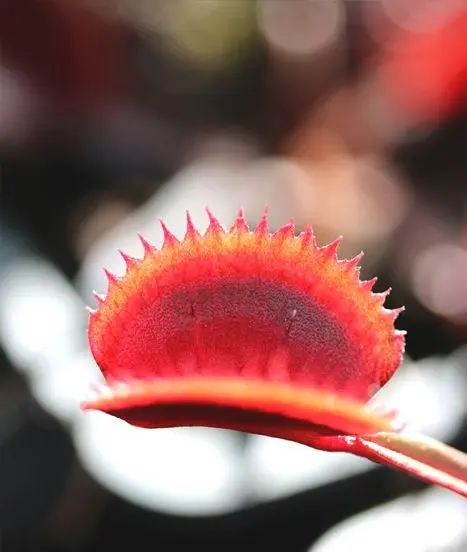
How does the Venus flytrap detect its prey? A 2025 study sheds light on its ‘sixth sense’
Growing Tillandsia from seed: a comprehensive guide to successful germination
Do Dionisian traps run on electricity?
How carnivorous plants digest their prey
Which plants can you grow on xaxim?