
Stratification of carnivorous plant seeds: a boost to germination
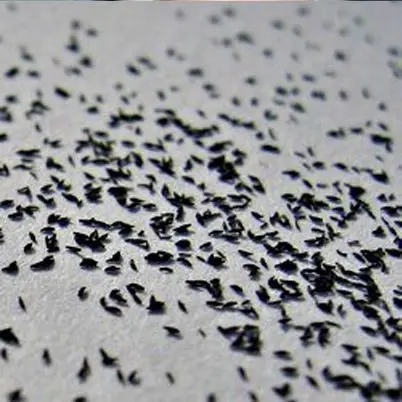
Stratification is a horticultural technique that involves subjecting seeds to specific temperature and humidity conditions in order to simulate natural winter conditions and thereby promote germination. For carnivorous plants, this step is often effective in achieving an optimal germination rate.
1. Stratification of Sarracenia seeds
Benefits of stratification: Stratification is strongly recommended for Sarracenia seeds. It breaks seed dormancy and significantly increases the germination rate.
Step-by-step guide to stratification:
- Preparing the growing medium: Use a mixture of blond peat and perlite.
- Semiss: Scatter the seeds over the surface of the growing medium, without burying them.
- Moistening: Gently mist the growing medium to moisten it.
- Stratification: Place the pot in an airtight plastic bag and put it in the fridge (between 2°C and 5°C) for 6 to 8 weeks.
- End of stratification: Remove the pot from the fridge and place it in a bright, warm spot (20–25°C). Keep the growing medium moist at all times.
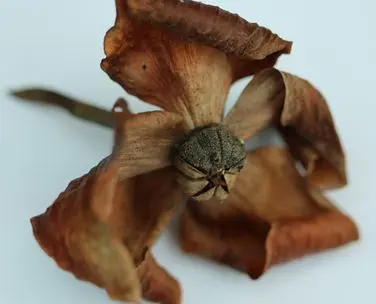
2. Stratification of Dionaea seeds
Benefits of stratification: As with Sarracenia, stratification is beneficial for Dionaea seeds. It improves germination and produces more vigorous seedlings.
Step-by-step guide to stratification:
The method is the same as that used for Sarracenia seeds. Dionaea seeds generally require a slightly shorter stratification period, typically 4 to 6 weeks.
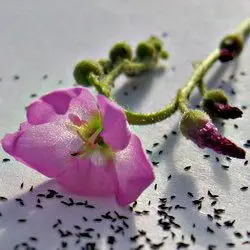
3. Stratification of Drosera seeds
Benefits of stratification: Stratification is not always necessary for Drosera seeds. Some species germinate easily without prior treatment. However, it can be beneficial for certain varieties and improve the germination rate.
Step-by-step guide to stratification (if necessary):
The method is the same as for Sarracenia and Dionaea. However, the duration of stratification may vary depending on the species of Drosera. Please refer to the specific information for the species you are growing.
General tips for laminating:
- Seed quality: Use fresh, good-quality seeds for best results.
- Moisture: Keep the growing medium slightly moist throughout the stratification process. Too much water can encourage the growth of mould.
- Patience: Germination can take several weeks or even several months. Be patient and check your seedlings regularly.
- Light: Once stratification is complete, place the seedlings in bright light, but avoid direct sunlight.
By following these tips, you will significantly increase your chances of successfully germinating your carnivorous plant seeds and growing magnificent specimens.
For sale in the Karnivores shop
Love Carnivorous plants? Don't miss our plants and exclusive offers in the online shop.
Read next
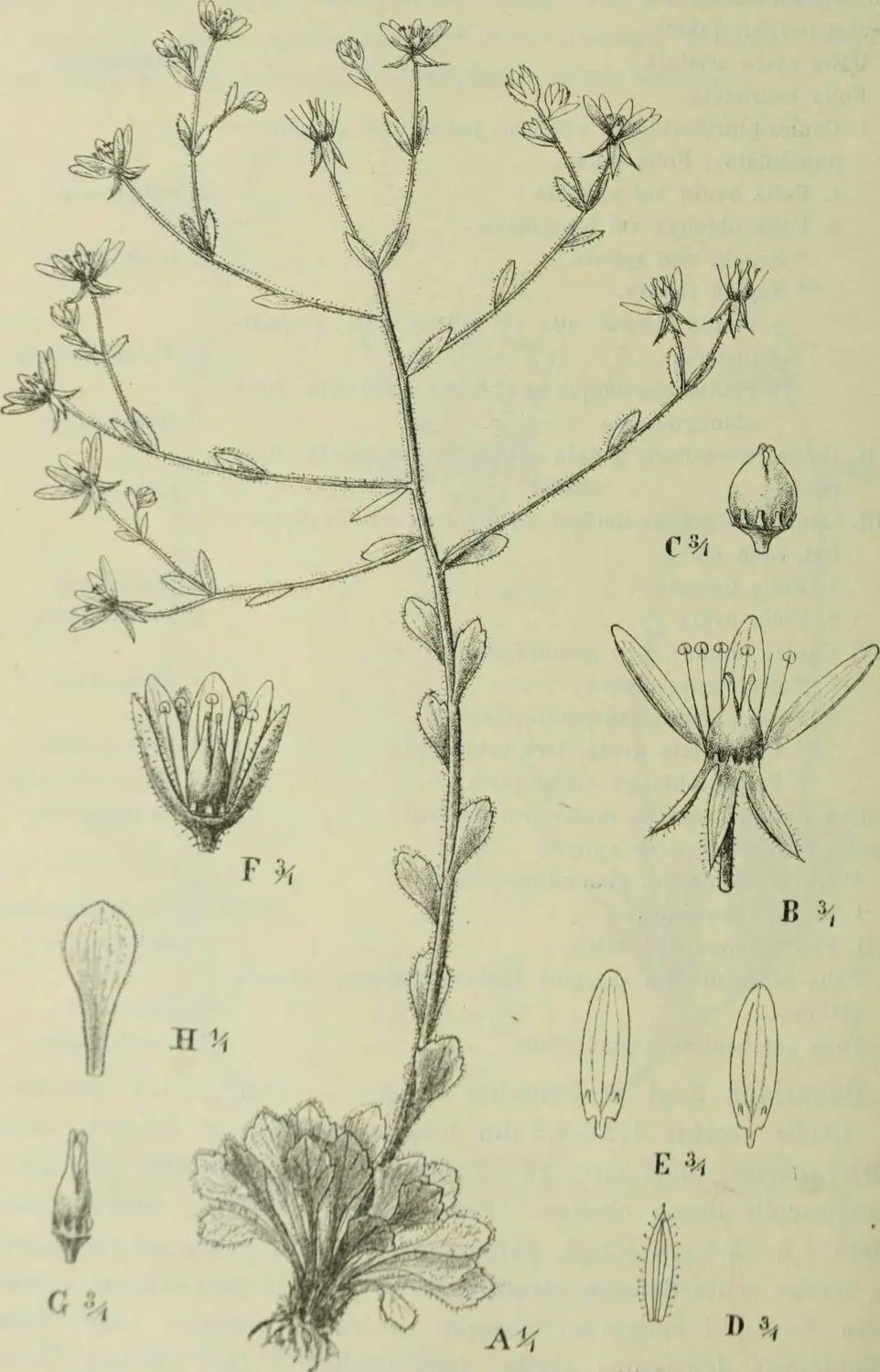
Saxifraga candelabrum: the flowering plant that confirms a 150-year-old hypothesis by Darwin
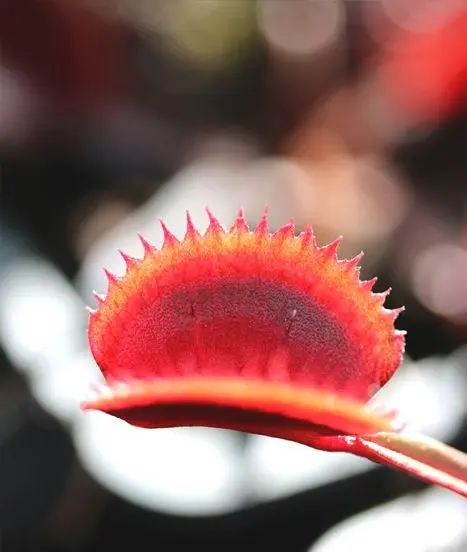
How does the Venus flytrap detect its prey? A 2025 study sheds light on its ‘sixth sense’
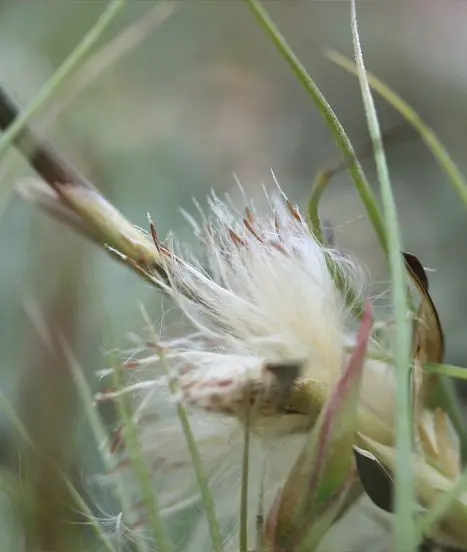
Growing Tillandsia from seed: a comprehensive guide to successful germination

Do Dionisian traps run on electricity?
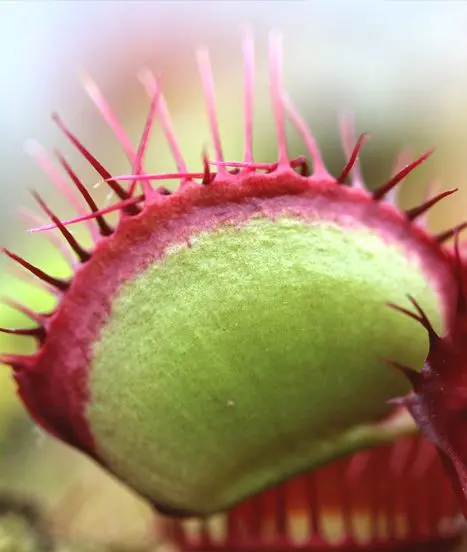
How carnivorous plants digest their prey
Which plants can you grow on xaxim?