
What sort of water should you use for carnivorous plants?
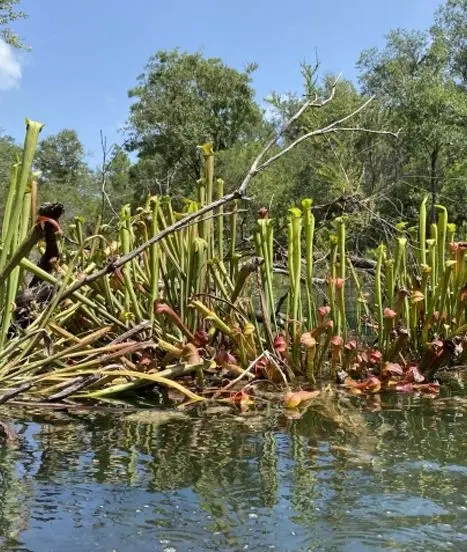
Water is the most important factor in growing carnivorous plants. Far more than light or even the growing medium, the quality of the water directly determines their long-term survival. Unsuitable water can cause gradual weakening, root burn, or even the death of the plant without any immediate signs.
In this guide, we’ll look at what sort of water to use for carnivorous plants, why they’re so sensitive to it, and how to water them correctly without making mistakes.
Why is water so important for carnivorous plants?
Carnivorous plants grow naturally in very specific habitats, such as peat bogs, acidic marshes or nutrient-poor sandy soils. These environments share one fundamental characteristic: the water there is extremely low in minerals.
Unlike ordinary plants, carnivorous plants are not adapted to absorbing mineral salts through their roots. They compensate for this lack of nutrients in the soil by capturing insects, which provide them with the nutrients necessary for their growth.
If water that is too rich in minerals is used, these minerals accumulate in the growing medium. The roots, unable to cope with them, gradually deteriorate. The damage is often invisible at first, which makes this mistake particularly dangerous.
What sort of water should you use for carnivorous plants?
Rainwater: the best option
Rainwater is by far the most suitable for watering carnivorous plants. It is naturally soft, low in minerals and similar to the water they receive in their natural habitat.
It is recommended that you collect it away from polluted areas, in a clean container, and store it away from light to prevent the growth of algae. Slightly discoloured rainwater is not a problem, provided it does not have a suspicious odour.
Osmosis water: an excellent alternative
Reverse osmosis water is water filtered using reverse osmosis, a process that almost completely removes mineral salts. It is a very reliable alternative to rainwater, particularly indoors or in flats.
It is readily available in pet shops, specialist garden centres or via a domestic reverse osmosis system. It is perfectly suited to regular use for carnivorous plants.
Demineralised water: use with caution
Demineralised water may be suitable provided it is produced solely by distillation or osmosis. Some commercially available demineralised waters contain additives intended for domestic use and should be avoided.
It is essential to read the label carefully. If in doubt, it is best to avoid it.
Why tap water is almost always not recommended
Tap water contains calcium, magnesium and other minerals in varying quantities depending on the region. Even if it seems ‘soft’, it eventually saturates the growing medium with mineral salts.
Boiling tap water does not make it suitable for carnivorous plants. It does not remove the minerals; on the contrary, their concentration increases as the water evaporates.
How should you water carnivorous plants correctly?
The saucer method
The most common method involves placing the pot in a saucer filled with water. The growing medium absorbs moisture through capillary action, which helps to keep the soil constantly moist without over-saturating the roots.
During the growing season, the saucer can be kept filled with a few centimetres of water at all times. It is best to allow the saucer to empty occasionally before refilling it, to prevent prolonged waterlogging.
Watering from above
Watering from above can be useful on an occasional basis, particularly to rinse the growing medium in the event of a mistake or after repotting. It must always be carried out using water that is perfectly suited to the plant, allowing any excess to drain freely. Please note that this is not a routine watering method.
Watering from above too frequently can compact the growing medium, disrupt root aeration or even lead to fungal diseases.
How much water and how often?
Water requirements vary depending on the season.
In spring and summer, when the plant is growing vigorously, the growing medium must remain constantly moist. The saucer should always be kept filled with water
In autumn, watering is gradually reduced as winter approaches.
In winter, particularly for species entering dormancy, the growing medium must remain slightly moist but never waterlogged.
The most common mistakes relating to watering
The most common mistake is using unsuitable water, often due to a lack of knowledge. This is followed by keeping the growing medium too waterlogged in winter and using so-called ‘filtered’ water that is not actually demineralised.
Another common mistake is leaving dirty or stagnant water in the saucer for too long, which encourages the growth of bacteria and algae.
How can you tell if the water is unsuitable?
The signs rarely appear straight away. The plant may produce smaller leaves, deformed traps or blackened tips. Growth slows down, and the plant then gradually declines.
If in doubt, it is advisable to rinse the substrate thoroughly with suitable water, or even to repot the plant completely using fresh substrate.
Frequently asked questions about water and carnivorous plants
Water filtered through a jug is generally unsuitable, as it retains a large proportion of the minerals.
Bottled water is almost always too high in mineral salts, even when it is described as ‘low in minerals’.
It is not necessary to change the water in the saucer every day, but it is best not to leave the same water to stand for several weeks.
Conclusion
Water is the key to success when growing carnivorous plants. Using water low in minerals, suited to their natural environment, helps to avoid most of the problems encountered by novice growers.
Before attempting to fertilise or stimulate growth, it is essential to ensure that watering is properly managed. Good-quality water is better than any fertiliser.
Water and carnivorous plants
What is the best water to use for watering carnivorous plants?
Rainwater is the best option, as it is naturally very low in minerals. If this is not available, reverse-osmosis water is an excellent and reliable alternative. The aim is always to use water with a very low mineral content in order to prevent the build-up of salts in the substrate.
Can tap water be used for carnivorous plants?
In most cases, no. Tap water contains calcium, magnesium and other minerals which gradually build up in the growing medium. Even so-called ‘soft’ water can cause long-term damage to the roots.
Is commercially available demineralised water suitable?
Yes, provided it is produced by distillation or reverse osmosis. Some demineralised waters intended for domestic use contain additives and should be avoided. If in doubt, reverse osmosis water remains the safest choice.
What is the best way to water carnivorous plants?
The saucer method is the most recommended. The pot is placed in a saucer containing a few centimetres of water, which allows the growing medium to absorb moisture through capillary action. This technique keeps the soil moist without waterlogging the roots.
How often should you water, depending on the season?
In spring and summer, the growing medium must be kept constantly moist and the saucer may contain water at all times. In autumn, watering should be gradually reduced. In winter, particularly for species in dormancy, the growing medium must remain slightly moist but never waterlogged.
How can you tell if water is unsuitable, and what should you do?
The symptoms appear gradually: stunted growth, smaller or misshapen traps, and blackened tips. If you suspect the water is unsuitable, it is advisable to rinse the growing medium thoroughly with suitable water, or even to repot the plant in fresh growing medium.
For sale in the Karnivores shop
Love Carnivorous plants? Don't miss our plants and exclusive offers in the online shop.
Read next
Saxifraga candelabrum: the flowering plant that confirms a 150-year-old hypothesis by Darwin
How does the Venus flytrap detect its prey? A 2025 study sheds light on its ‘sixth sense’
Growing Tillandsia from seed: a comprehensive guide to successful germination

Do Dionisian traps run on electricity?
How carnivorous plants digest their prey
Which plants can you grow on xaxim?