
Light and carnivorous plants: How much sunlight do they really need?
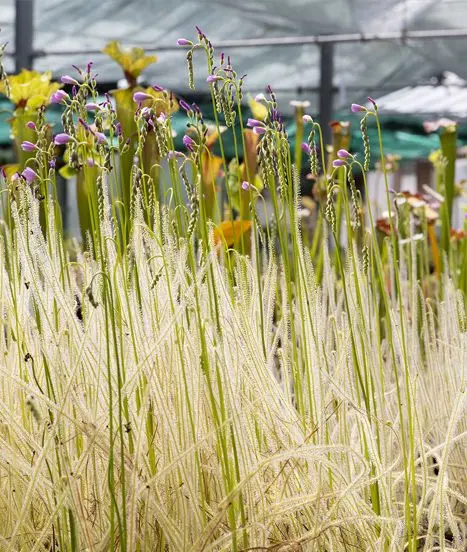
Carnivorous plants, with their fascinating adaptations for catching insects, are wonders of nature. But to thrive in your home, they need much more than just insects! Light is a crucial factor for their health and growth. This article will guide you through the specific light requirements of these extraordinary plants.
Why is light so important for carnivorous plants?
Like all plants, carnivorous plants use light for photosynthesis, the process by which they convert light into energy. Insufficient light can lead to stunted growth, loss of colour and, ultimately, the death of the plant. Adequate light, on the other hand, promotes vigorous growth, intense colouring and abundant trap production.
Different types of light:
- Direct sunlight: Most carnivorous plants thrive on several hours of direct sunlight a day. However, the exact amount varies depending on the species.
- Bright indirect light: Some species, particularly those that grow naturally in partial shade, prefer bright indirect light.
- Artificial light: In areas where natural light is limited, or during the winter months, artificial light can be an excellent substitute, particularly for tropical carnivorous plants such as Drosera madagascariensis, for example.
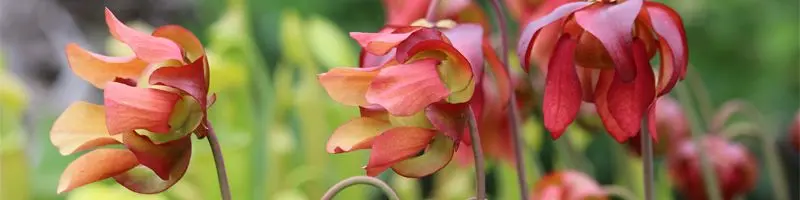
Light requirements by species (examples):
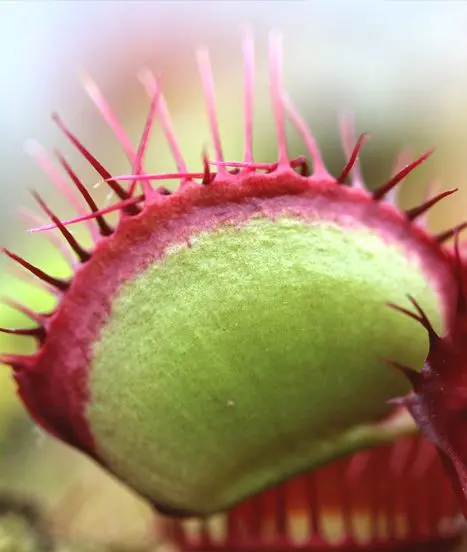
- Dionaea muscipula (flytrap): This iconic plant requires at least 6 hours of direct sunlight per day for optimal growth. A lack of light will result in weak, green traps.
- Drosera (Sundews): Drosera are a diverse genus with varying light requirements. Most thrive in bright light, but some species tolerate indirect light.
- Sarracenia: These pitcher-shaped plants require maximum sunlight to develop their vibrant colours and impressive traps.
- Nepenthes: Native to tropical forests, Nepenthes prefer bright, indirect light. Avoid scorching direct sunlight.
How can you tell if your plant is getting enough light?
- Colour: A healthy plant will have bright, intense colours. A lack of light can lead to a loss of colour and a pale green appearance.
- Growth: Slow or stunted growth is often a sign of insufficient light.
- Shape: Plants that do not receive enough light may become leggy, i.e. they stretch towards the light source, giving them a fragile and unattractive appearance.
Artificial lighting for carnivorous plants:
If you cannot provide sufficient natural light, artificial lighting is an excellent option. Fluorescent lamps and LEDs are particularly effective.
- Fluorescent lamps: ‘Daylight’ fluorescent tubes are a good choice for growing plants.
- LEDs: LEDs are energy-efficient and produce high-quality light for photosynthesis. Look for LEDs with a full spectrum.
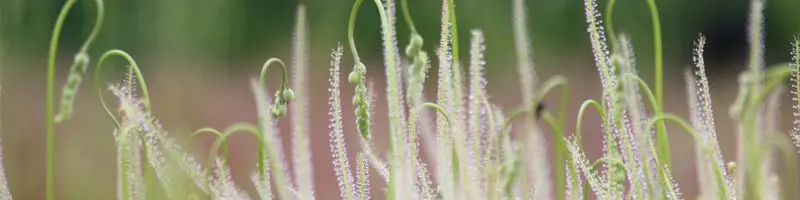
Additional tips:
- Rotate your plants regularly so that they receive an even amount of light on all sides, if you feel there isn’t enough.
- Clean your plants’ leaves regularly so that they can absorb as much light as possible. You could, for example, give them a quick shower, but as most carnivorous plants do not like getting wet, only do this during the growing season and make sure the plant will dry quickly.
- If you use artificial lighting, position the lamps at a suitable distance from the plants (check the manufacturer’s instructions).
Conclusion
Light is an essential factor for the successful cultivation of carnivorous plants. By understanding the specific needs of each species and providing adequate lighting, you’ll be able to enjoy these fascinating plants for many years to come. Feel free to check out our other articles to learn more about growing carnivorous plants
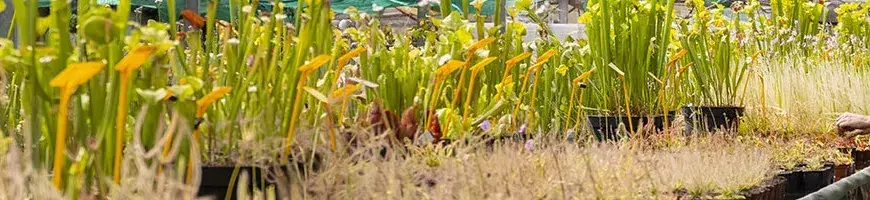
For sale in the Karnivores shop
Love Carnivorous plants? Don't miss our plants and exclusive offers in the online shop.
Read next
Saxifraga candelabrum: the flowering plant that confirms a 150-year-old hypothesis by Darwin
How does the Venus flytrap detect its prey? A 2025 study sheds light on its ‘sixth sense’
Growing Tillandsia from seed: a comprehensive guide to successful germination
Do Dionisian traps run on electricity?
How carnivorous plants digest their prey
Which plants can you grow on xaxim?