
Philcoxia: little-known carnivorous plants
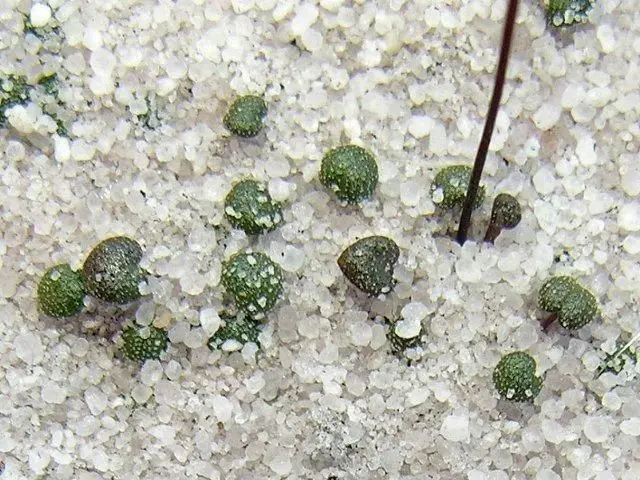
The genus Philcoxia comprises three very rare species, found in Brazil. Each of them was discovered separately, several years apart, between 1966 and 1992! After many years of study, the three scientists responsible for the three discoveries concluded that these three species belong to the same genus. This genus was then named Philcoxia in honour of the British botanist David Philcox. The species were named P. bahiensis, P. goiasensis and P. minensis, with each specific epithet referring to the plant’s location.
In what way might they be carnivorous? Peter Taylor, a botanist specialising in the genera Utricularia and Genlisea, found them to bear striking morphological similarities to Drosera and Utricularia: Philcoxia develop leaves equipped with sticky glands, which are more or less subterranean (see photo). Having been able to make only a few field observations, Taylor leaves it at that, without asserting that they are true carnivorous plants.
It was not until 2007 that the question of carnivory resurfaced, this time at the instigation of the botanist Peter Fritsch. After observing dead nematodes on the tiny leaves of Philcoxia in their natural habitat, he took samples for a laboratory study, the aim being to prove that these plants do indeed produce digestive enzymes! The test is simple: a piece of photographic film is placed on a leaf. This is because the digestive enzymes of carnivorous plants are capable of breaking down the agar contained in such film.
Result: negative! Fristsch concluded that the leaf was perhaps too small (1 mm in diameter) for the test to succeed; the test also failed with a leaf of Pinguicula… Furthermore, the leaf may require movement to trigger enzyme production, as is the case with other carnivorous plants.
At present, many botanists regard Philcoxia as such, as the reported characteristics (including growth in very poor substrates such as white sand) are consistent with this view.
For sale in the Karnivores shop
Love Carnivorous plants? Don't miss our plants and exclusive offers in the online shop.
Read next
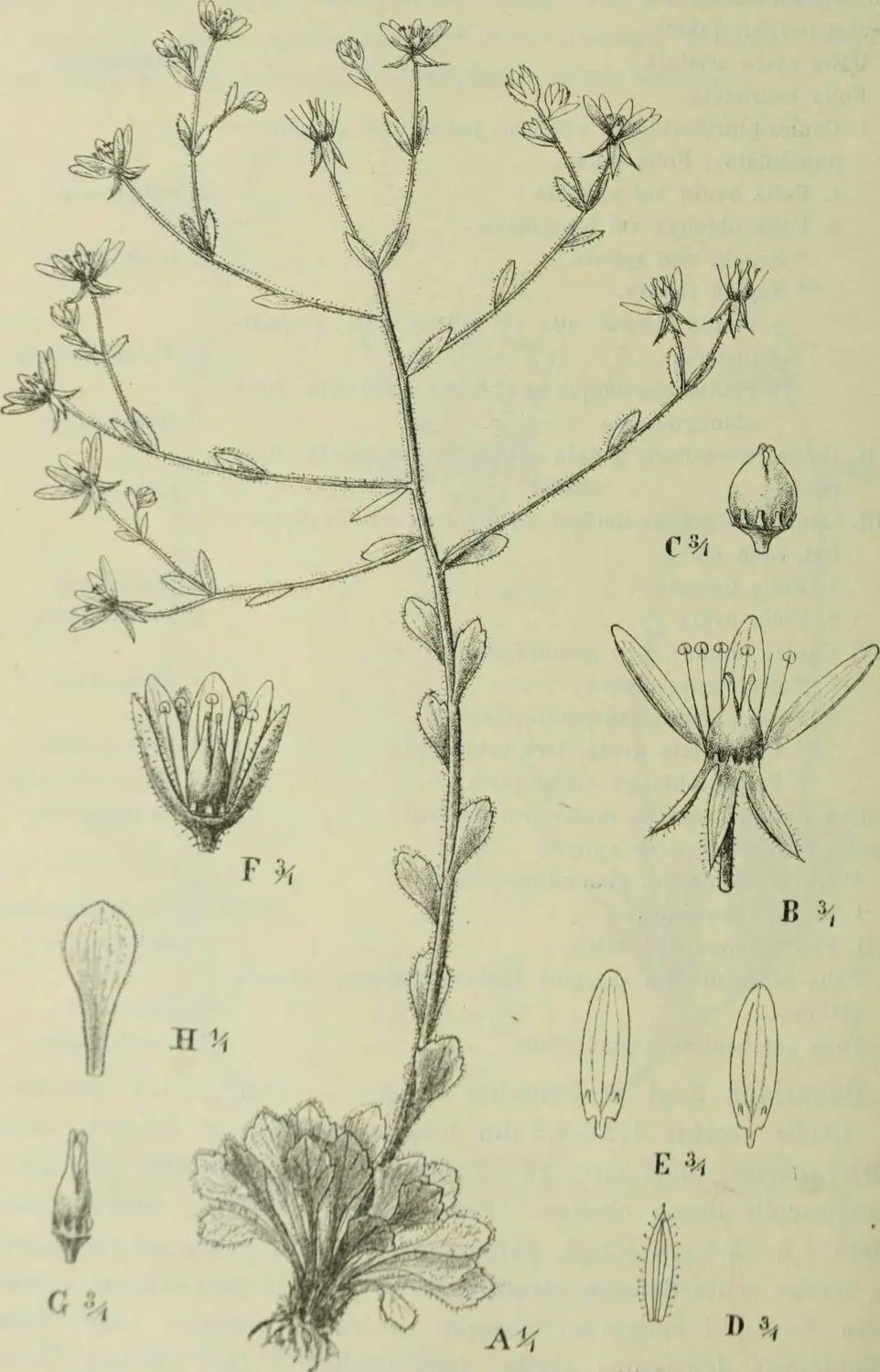
Saxifraga candelabrum: the flowering plant that confirms a 150-year-old hypothesis by Darwin
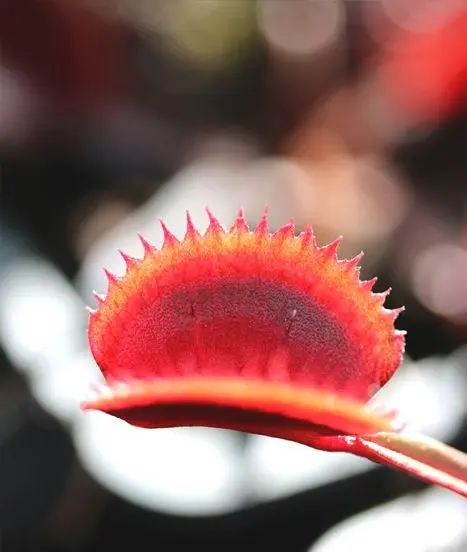
How does the Venus flytrap detect its prey? A 2025 study sheds light on its ‘sixth sense’
Growing Tillandsia from seed: a comprehensive guide to successful germination
Do Dionisian traps run on electricity?
How carnivorous plants digest their prey

Which plants can you grow on xaxim?