
Mutualism between spider crabs and carnivorous plants
Introduction
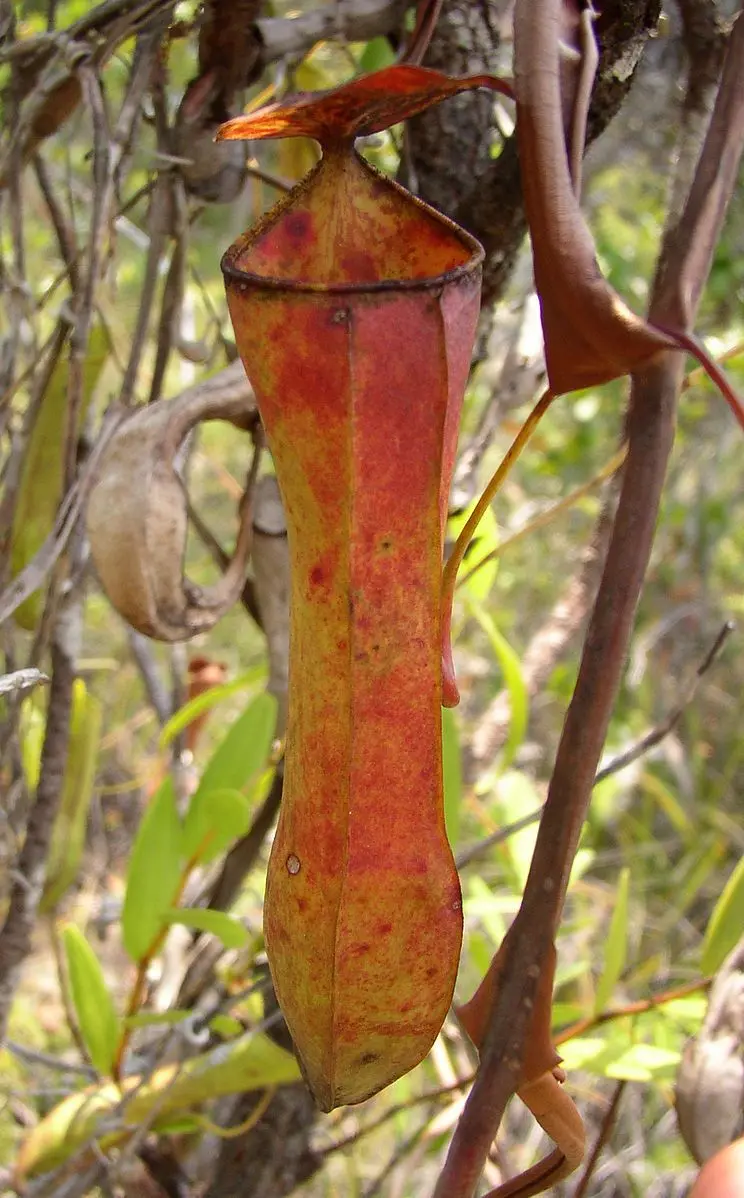
In South-East Asia, a remarkable mutualistic collaboration has been observed between certain carnivorous plants of the genus Nepenthes and crab spiders. According to a study published in 2018 by Weng Ngai Lam and his colleagues, these plants, by providing shelter for the spiders, benefit from more efficient capture of large flying prey.
Is the crab spider in love with carnivorous plants?
Carnivorous plants attract insects to their nectar using chemical and visual signals. The slippery surfaces of the pitchers, combined with rain, cause the insects to fall into the pitchers, where they are broken down by digestive fluids. Crab spiders, notably the species Thomisus nepenthiphilus and Misumenops nepenthicola, have developed a strategy to gain a share of the nutritional benefits by positioning themselves inside the pitchers, ready to ambush prey.
In laboratory experiments, the researchers placed Sarcophagidae flies – which are difficult for Nepenthes plants to catch – alongside these plants and the spiders. The crab spiders, hunting from ambush, successfully captured the prey. After taking their share of the feast, they dropped the remains into the liquid in the pitchers, allowing the plants to claim their share. Plants harbouring spiders thus collected more insect carcasses than those without spiders.
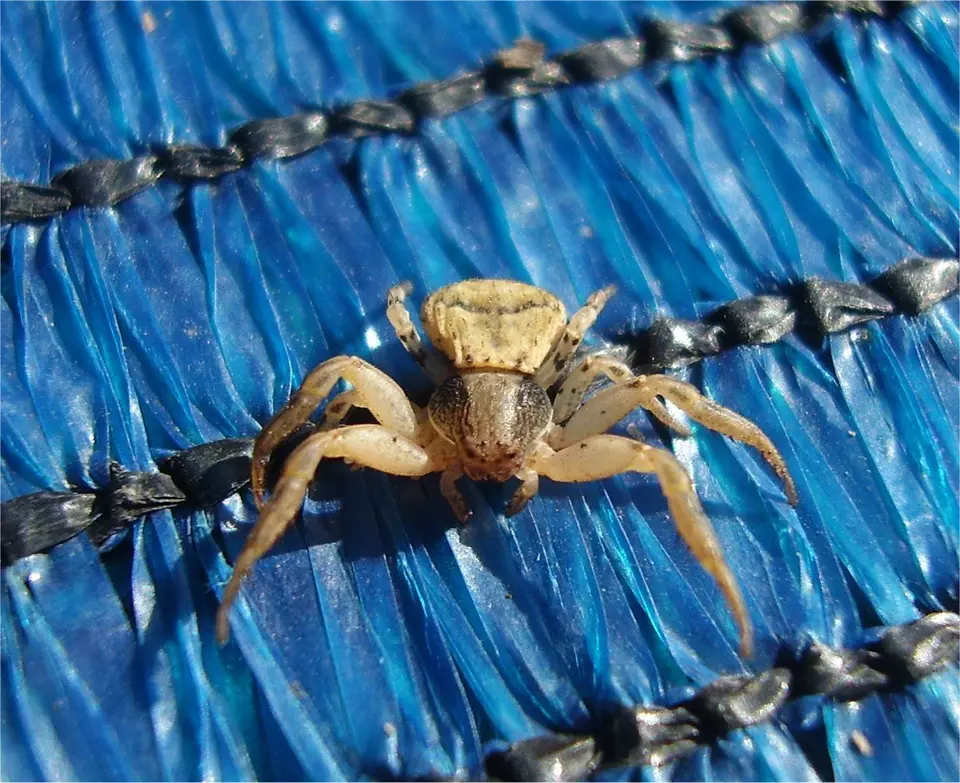
A second study, carried out in the wild, confirmed that crab spiders increase plants’ overall yield by capturing insects that the plants would be unable to attract on their own. This relationship is described as a mutually beneficial give-and-take arrangement.
Lam’s work highlights the complexity of interspecies relationships and the transition from antagonism to mutualism. Other research suggests that related species of crab spiders may help to attract insects to flowers, thereby enhancing pollination. Non-carnivorous plants may also benefit from the presence of these insects.
A multi-level collaboration
As well as providing a regular supply of prey to hunt, Nepenthes plants offer a safe haven for the spiders, protecting them from predators such as parasitoid wasps. However, despite this fruitful collaboration, the dissolved remains of crab spiders found in the pitchers highlight that life in this habitat is not without risk; yet, on occasion, the spiders offer their very lives as a final gift to their hunting partners. This discovery offers a fascinating insight into the complex interactions between the plant and animal kingdoms in the Asian wilderness.
For sale in the Karnivores shop
Love Carnivorous plants? Don't miss our plants and exclusive offers in the online shop.
Read next
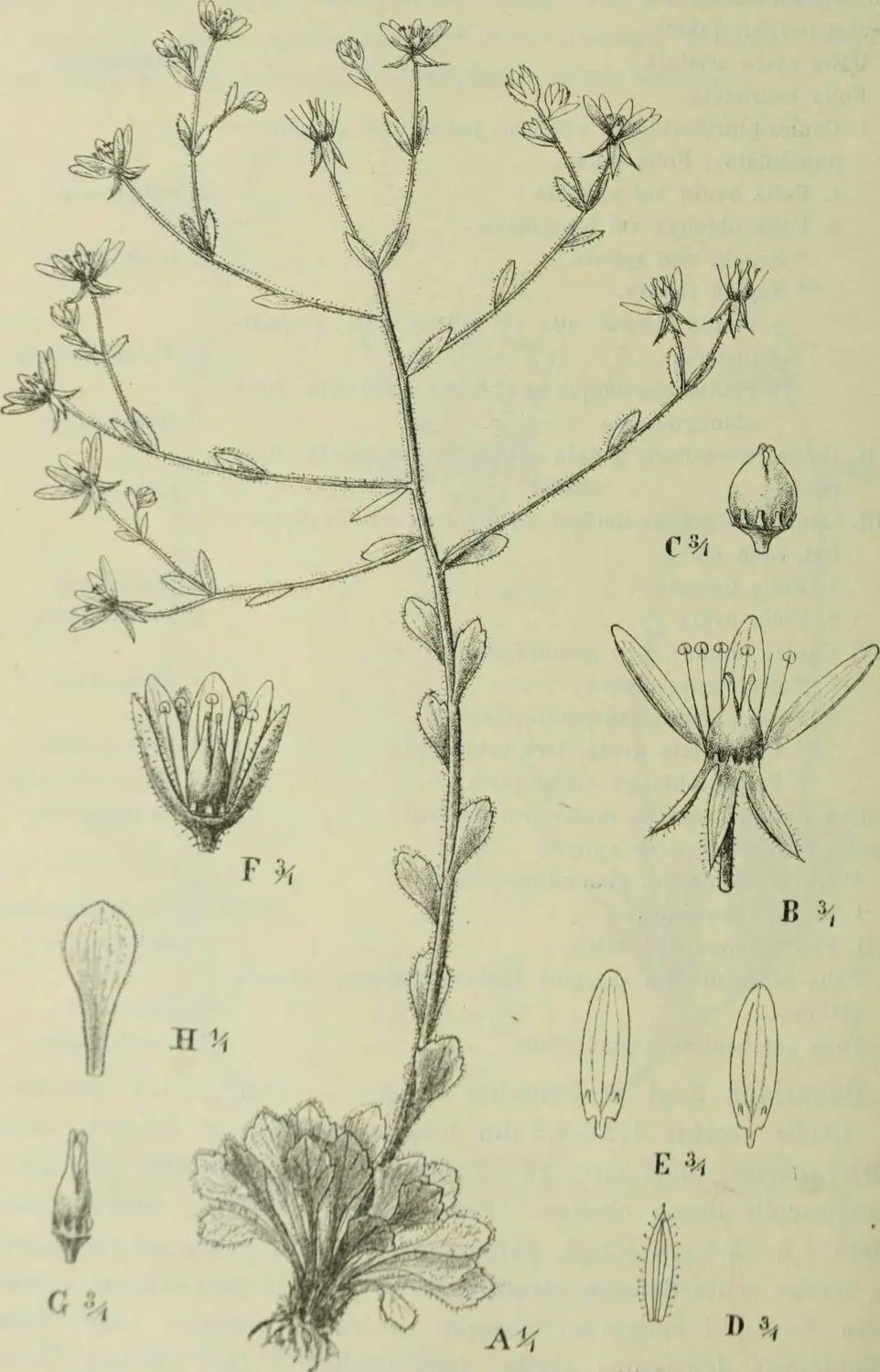
Saxifraga candelabrum: the flowering plant that confirms a 150-year-old hypothesis by Darwin
How does the Venus flytrap detect its prey? A 2025 study sheds light on its ‘sixth sense’
Growing Tillandsia from seed: a comprehensive guide to successful germination
Do Dionisian traps run on electricity?
How carnivorous plants digest their prey
Which plants can you grow on xaxim?