
Darlingtonia californica
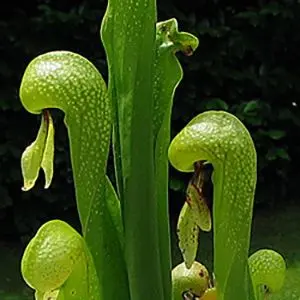
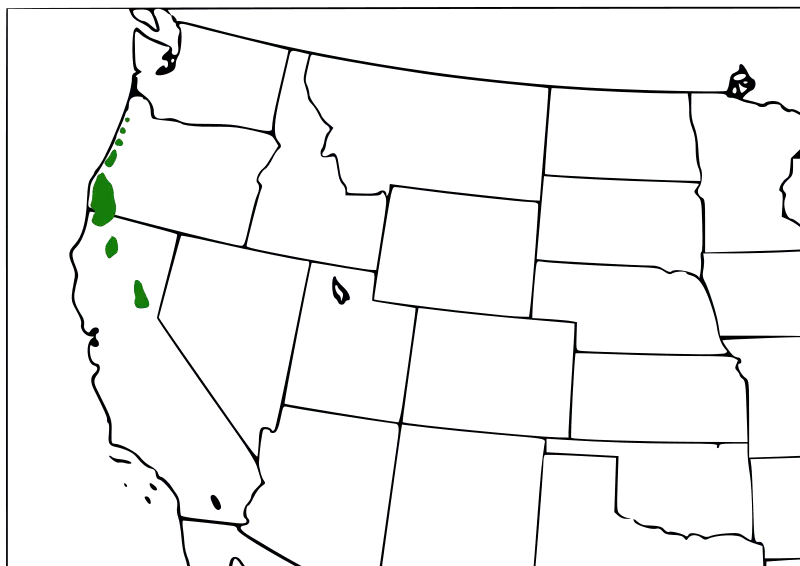
Darlingtonia californica is a pitcher plant native to California and Oregon in the United States, where it is found in a few small localities. It is found in the wild only in this part of the world. It grows there at various altitudes, in soil that is constantly kept cool by flowing water.
Its leaves, which act as traps, have a more complex structure than those of Sarracenia. The system for attracting prey is the same: bright colours, sweet nectar… It is the capture organs that differ. The opening of the pitcher, at the tip of the leaf, faces downwards, and the top of the leaf is dotted with translucent spots, deceiving insects into thinking there is an exit. After colliding with this part, they fall into the trap. As the walls are either smooth or covered in downward-pointing hairs, it is impossible for the insects to cling on. Just as with Sarracenia, prey suffocates at the bottom of the pitcher. There is only one species and one cultivar: Darlingtonia ‘Othello’, which does not develop red pigments.
Tips for growing Darlingtonia
- Grow the plant outdoors all year round or in a cool conservatory or greenhouse during winter, preferably in partial shade, and where it is protected from frost.
- Use a mix based on blond peat or sphagnum moss, with drainage materials such as perlite or bark.
- Keep the growing medium very moist from spring to autumn, using rainwater, demineralised or reverse-osmosis water, and only use other types of water in the event of a shortage.
- Use a very large plastic pot, preferably white (to reduce heat absorption), with drainage holes.
- Cover the surface of the growing medium with a thin layer of perlite or white quartz sand (to reduce heat absorption at the surface of the peat). Allow the insects to become trapped naturally.
- Cut back the previous season’s pitchers in February/March, BEFORE growth resumes.
Protect the plant from rainfall in winter as much as possible.
Things to avoid when growing Darlingtonia
- Growing the plant indoors all year round in a dimly lit spot, or bringing it indoors as soon as the weather turns cold.
- Growing the plant in a terrarium.
- Growing the plant in full sun without taking precautions (see above).
- Using standard potting compost, garden soil or other garden centre compost.
- Watering with tap water, spring water or mineral water, or water from a stream or river (which may be hard or polluted).
- Constantly move the plant around, or repot it several times a year.
- Feed it by hand with meat or give it fertiliser.
- Cut off its stems as soon as they start to turn black.
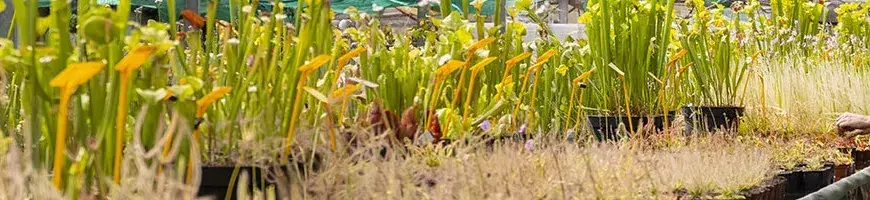
For sale in the Karnivores shop
Love Carnivorous plants? Don't miss our plants and exclusive offers in the online shop.
Read next
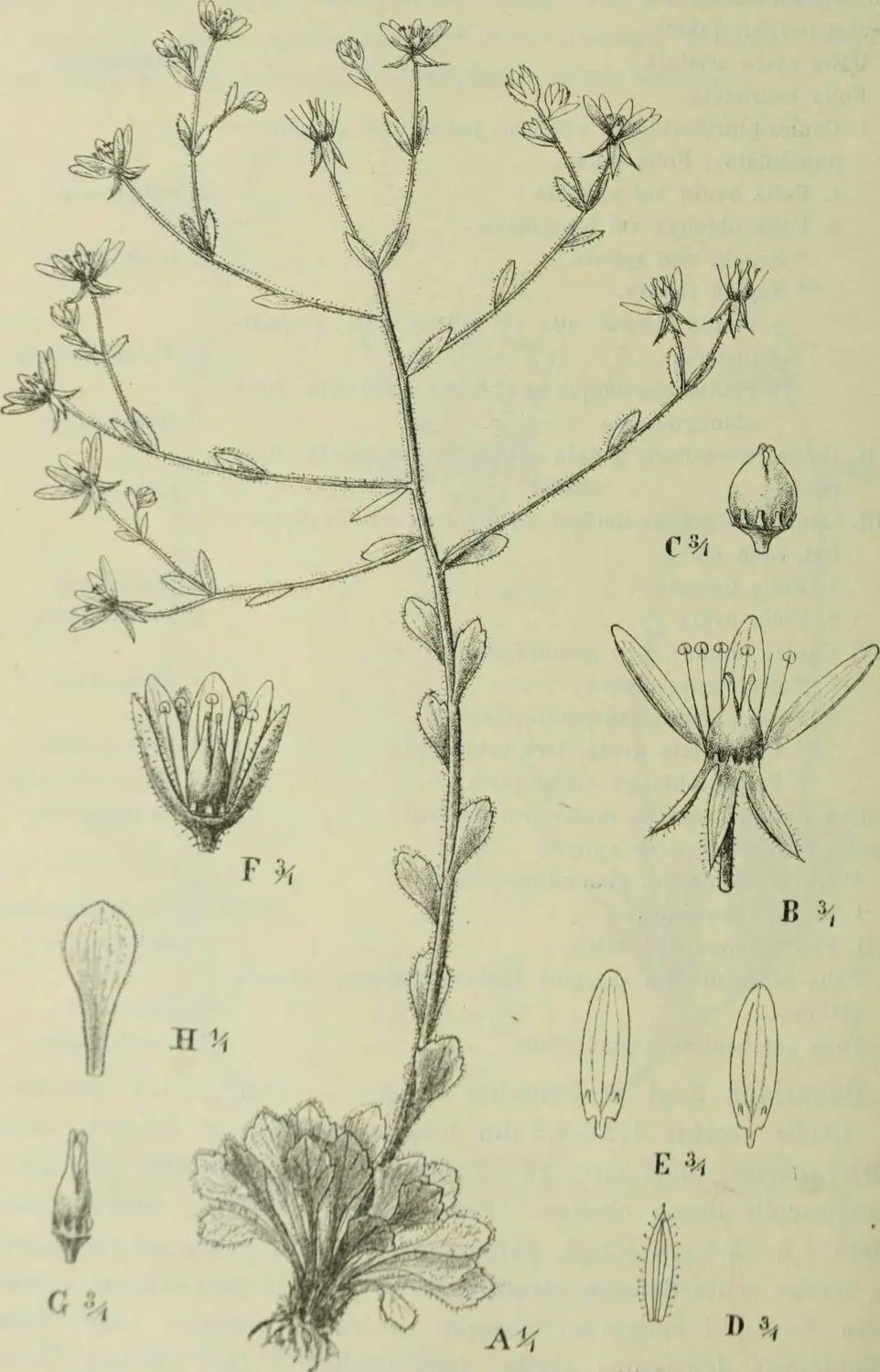
Saxifraga candelabrum: the flowering plant that confirms a 150-year-old hypothesis by Darwin
How does the Venus flytrap detect its prey? A 2025 study sheds light on its ‘sixth sense’
Growing Tillandsia from seed: a comprehensive guide to successful germination
Do Dionisian traps run on electricity?
How carnivorous plants digest their prey
Which plants can you grow on xaxim?