
A dying carnivorous plant: a guide to saving it
Introduction
Is your carnivorous plant looking a bit under the weather? Do you notice limp leaves, blackening or traps that aren’t closing? This expert guide explains why these problems occur, how to fix them and how to prevent them, step by step. Designed to answer the questions most frequently asked by enthusiasts, it covers Dionaea, Sarracenia, Drosera and other species.
We have deliberately presented the information in a very concise manner to answer as many questions as possible in the least amount of space.
Symptoms and causes
Why is my carnivorous plant turning black?
- Excess moisture, root rot or sunburn.
- Hard Eau, which is toxic to carnivorous plants.
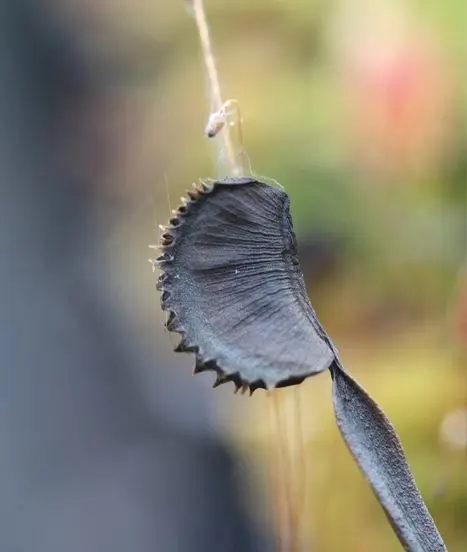
- Dionaea: black, curled-up traps
- Sarracenia: browning of the upright leaves
- Drosera: loss of shine on the sticky hairs
Why are the leaves of my carnivorous plant limp?
- Under-watering or substrate too dry
- Dormancy period not observed
- Solution: [product link: suitable growing medium], adjust watering, ensure correct light levels
What should I do if my Venus flytrap’s traps no longer close?
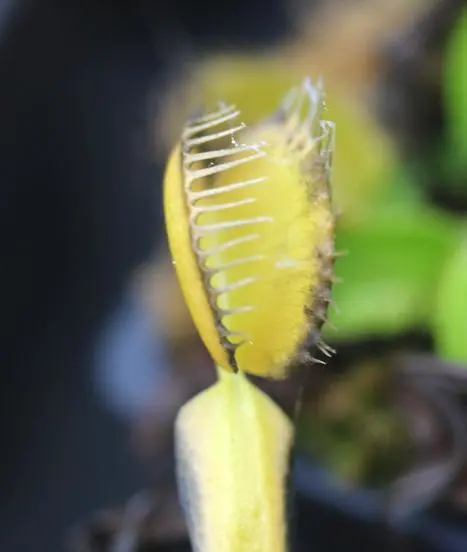
- Trap not stimulated or too many dead insects
- Insufficient light or environmental stress
- Gently stimulate the traps; check light levels and dormancy
Why is my carnivorous plant losing its leaves or discolouring?
- Nutrient deficiencies, depleted growing medium or over-fertilisation
- Symptoms: yellow or browning leaves, less active traps
Is my carnivorous plant ill or infested with pests?
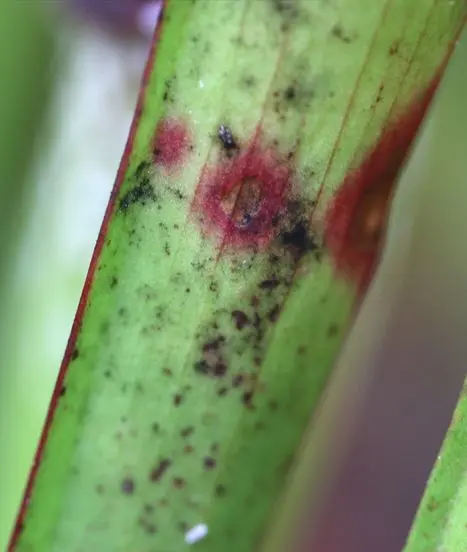
- Aphids, fungi, bacteria
- Symptoms: spots, mould, infected sticky traps
- Solution: targeted treatment, removal of infected parts
Environment and care
What growing medium should you use for a carnivorous plant?
- A poor, acidic and well-drained growing medium
- Rain Eaur or demineralised water only
- Repot using a special mix for carnivorous plants.
How much light does my carnivorous plant need?
- Carnivorous plants = full sun or bright indirect light in the vast majority of cases.
- Symptoms of deficiency: pale leaves, inactive traps
- Solution: move to a bright spot or use a grow light
How much water should I give my carnivorous plant?
- Too much → virtually impossible, as these plants need to have their roots constantly submerged in water.
- Too little → limp leaves, ineffective traps
- At the wrong time → Observe a winter dormancy period with the substrate kept moist but no water in the saucer
Why is it important to observe the winter dormancy period?
- Dionaea and Sarracenia need a cold period of rest
- Ignoring dormancy → wilted leaves, inactive traps, premature death
A Practical Survival Guide
Steps to save my ailing carnivorous plant
- Identify the main symptom
- Check the environment: light, humidity, temperature, dormancy
- Examine the growing medium: repot carnivorous plants if necessary
- Remove dead parts
- Apply targeted treatments
- Monitor weekly and stimulate the traps
How can I tell if my Venus flytrap is dying?
- Limp traps, excessive browning
- No new leaves after stimulation
- Check the substrate, light and water
What should I do if my Sarracenia plants turn brown in winter?
- Check that your plants are properly dormant and check the moisture level of the substrate
- Be very careful to avoid overwatering during the cold season
- For most cultivars, cut back dead leaves completely at the start of winter.
My Droseras are losing their effectiveness – what should I do?
- Check the light and humidity levels
- Feed them properly if the sticky hairs aren’t working
- Repot if the growing medium is depleted
Checklists and equipment
Checklist for saving your carnivorous plant
- Suitable growing medium and proper drainage
- Non-hard Eau
- Sufficient light
- Dormancy period observed
- Monitor carnivorous plants for diseases and pests
- Stimulate traps if necessary
Recommended equipment
FAQ for position 0
Why is my Venus flytrap turning black?
Overwatering or root rot. Check the growing medium, repot if necessary, and water only with rainwater or demineralised water.
What should I do if the traps on my carnivorous plant no longer close?
Gently stimulate the traps, and make sure the plant is getting enough light and is not in a dormant phase.
My leaves are limp – is this a problem?
Yes, this indicates incorrect watering, lighting or dormancy. Adjust these conditions and repot if necessary.
My Sarracenia is turning brown – what should I do?
Check the growing medium, moisture levels and dormancy. Trim off any dead leaves if necessary.
Drosera is losing its sticky hairs – what should I do?
Adjust light, humidity and watering. Repot if the growing medium is depleted.
Conclusion
Saving a carnivorous plant in distress requires: rapid identification of symptoms, understanding the causes, and applying the appropriate solutions. With the right growing medium, suitable water, sufficient light and respect for the plant’s dormant period, your Dionaea, Sarracenia and Drosera will regain their vigour and the effectiveness of their traps.
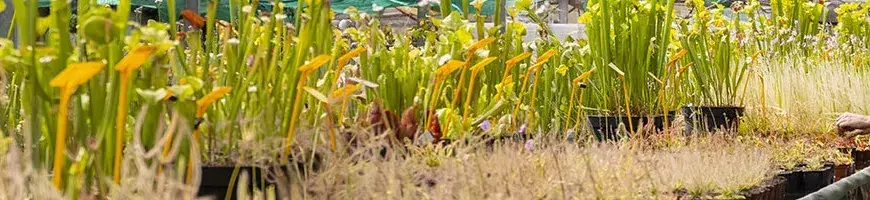
For sale in the Karnivores shop
Love Carnivorous plants? Don't miss our plants and exclusive offers in the online shop.
Read next
Saxifraga candelabrum: the flowering plant that confirms a 150-year-old hypothesis by Darwin
How does the Venus flytrap detect its prey? A 2025 study sheds light on its ‘sixth sense’
Growing Tillandsia from seed: a comprehensive guide to successful germination
Do Dionisian traps run on electricity?
How carnivorous plants digest their prey
Which plants can you grow on xaxim?