
Wooden Nepenthes
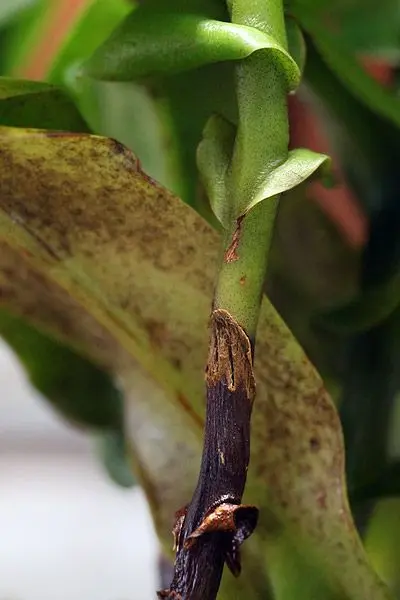
The stem of my Nepenthes is turning black – is it rotting? Fortunately not! In fact, it is lignifying.
Lignification is the process by which the plant tissues of a stem turn into wood. It is necessary for the plant’s growth, as the plant naturally becomes heavier and could not be supported for very long by a ‘simple’ stem!
As you can see, the transition between the lignified area and the soft area is very distinct.
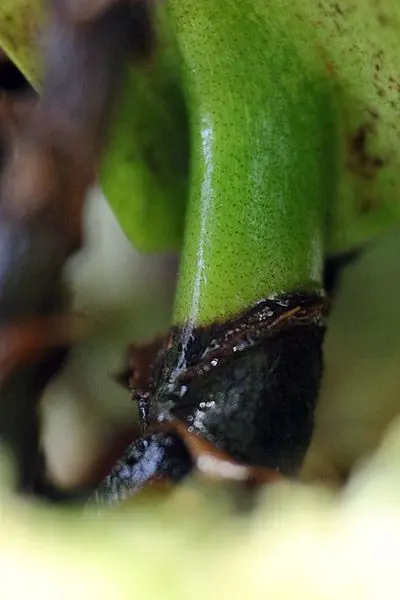
As Nepenthes are very large carnivorous plants (several metres tall), lignification at a juvenile stage is important to ensure the ‘trunk’ is sufficiently sturdy in the future and to allow it to grow effortlessly towards the light. Lignin (the main component of wood) also provides good protection against attacks by micro-organisms and very high resistance to biological degradation (rot).
So when a Nepenthes stem turns black, it is actually the exact opposite of rot!
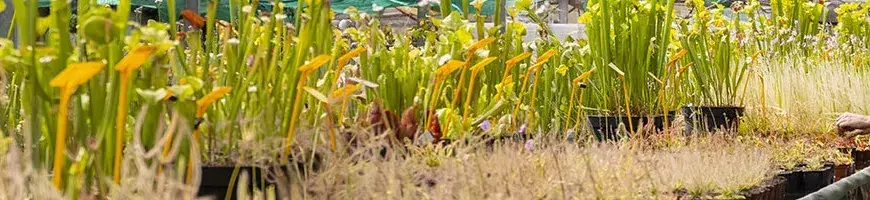
For sale in the Karnivores shop
Love Carnivorous plants? Don't miss our plants and exclusive offers in the online shop.
Read next
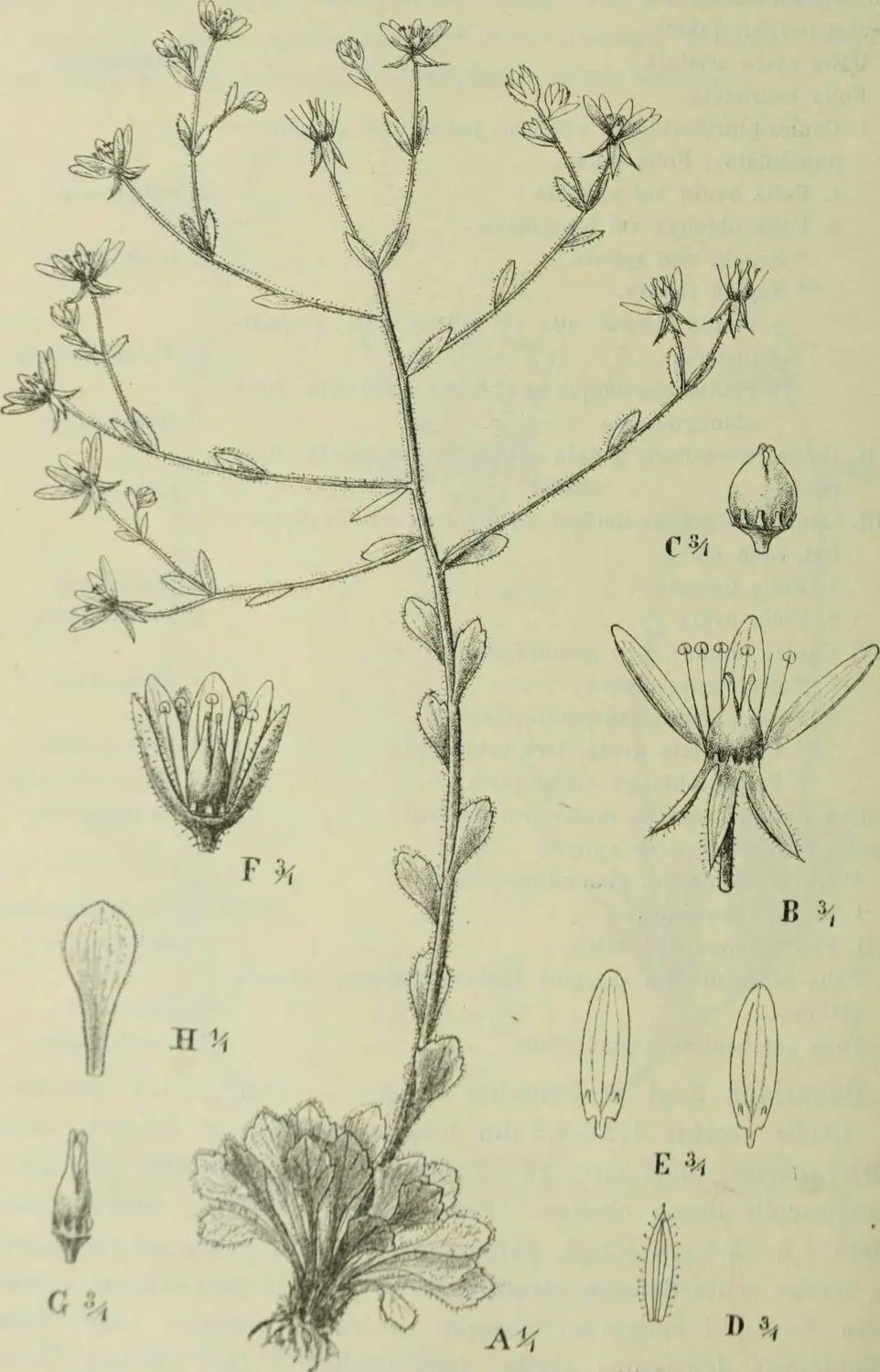
Saxifraga candelabrum: the flowering plant that confirms a 150-year-old hypothesis by Darwin
How does the Venus flytrap detect its prey? A 2025 study sheds light on its ‘sixth sense’
Growing Tillandsia from seed: a comprehensive guide to successful germination
Do Dionisian traps run on electricity?
How carnivorous plants digest their prey
Which plants can you grow on xaxim?