
The life cycle of a Nepenthes
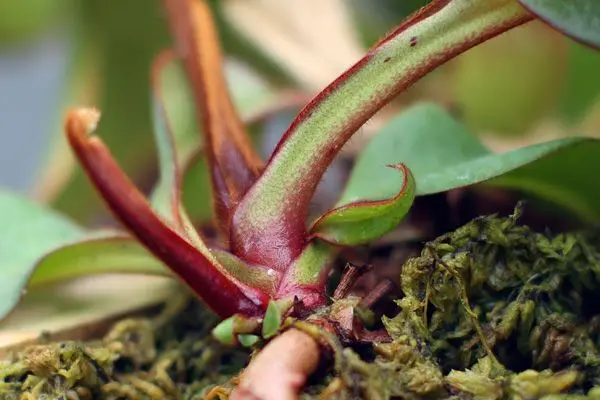
With a little patience, you’ll find that many carnivorous plants reproduce on their own, either through spontaneous seedling growth or through offshoots. Every year, Dionaea muscipula plants become more robust, whilst Sarracenia plants see their rhizomes expand and develop new growth points. Nepenthes plants also have the ability to grow by multiplying these growth points.
This Nepenthes clipeata x eymae, over 20 cm in diameter, has begun to produce basal offshoots, between the woody area and the green area that is still growing. Note the impressive size of the young leaf emerging on the left, bearing in mind that it is not connected to the main stem.
The plant invests a great deal of energy in these new growth points, which rapidly develop into very vigorous shoots. These sometimes end up completely replacing the original plant, which has been exhausted…
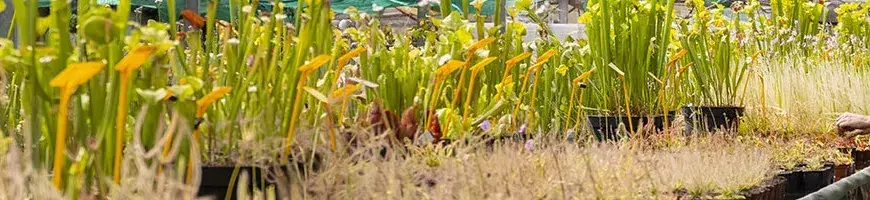
For sale in the Karnivores shop
Love Carnivorous plants? Don't miss our plants and exclusive offers in the online shop.
Read next
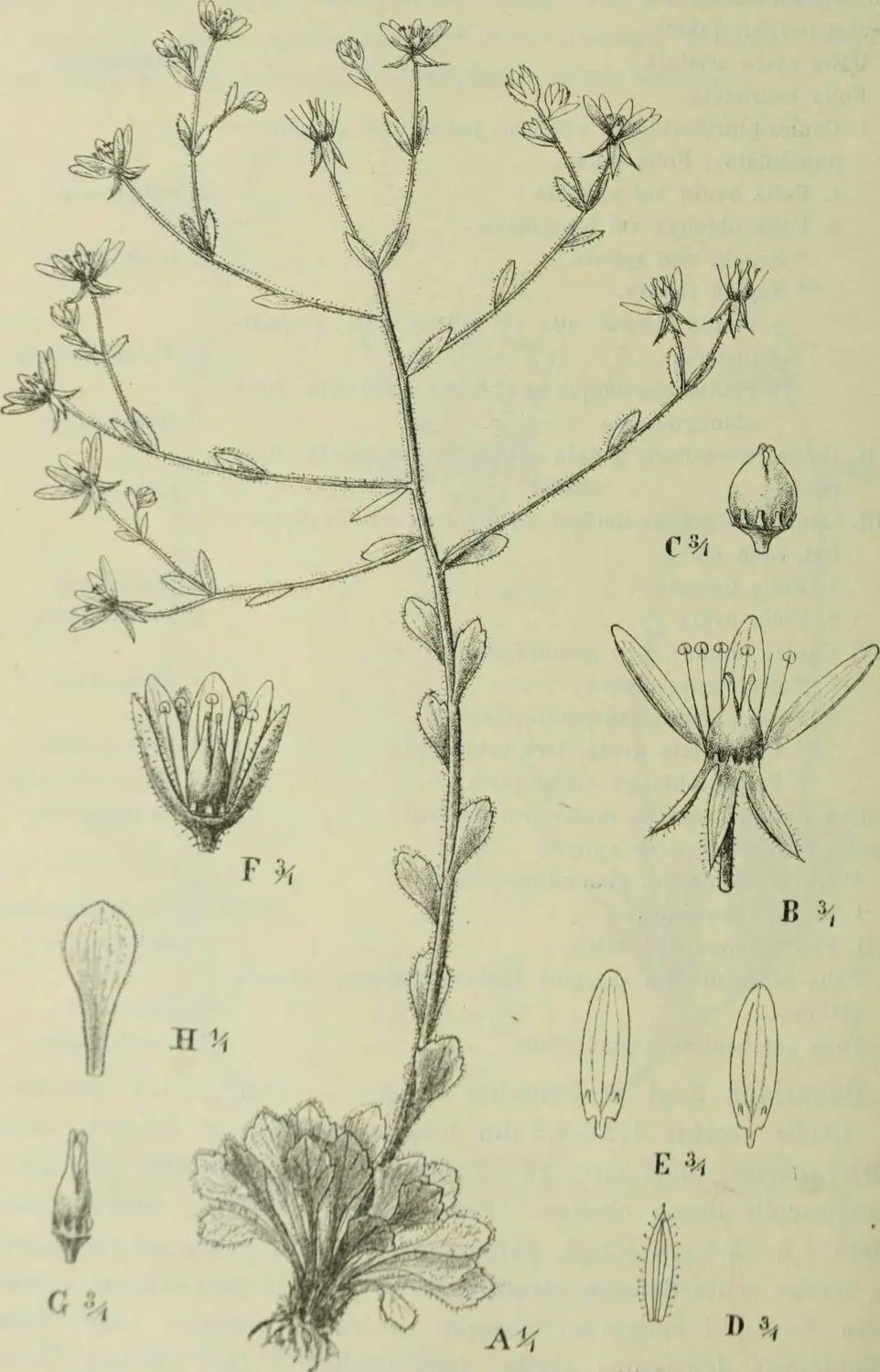
Saxifraga candelabrum: the flowering plant that confirms a 150-year-old hypothesis by Darwin
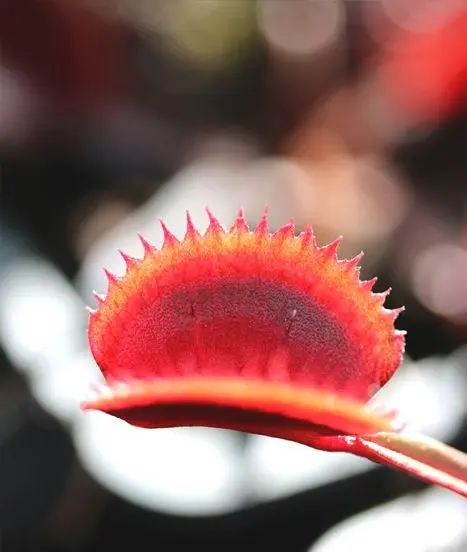
How does the Venus flytrap detect its prey? A 2025 study sheds light on its ‘sixth sense’
Growing Tillandsia from seed: a comprehensive guide to successful germination
Do Dionisian traps run on electricity?
How carnivorous plants digest their prey
Which plants can you grow on xaxim?