
The hairs of Drosera capensis
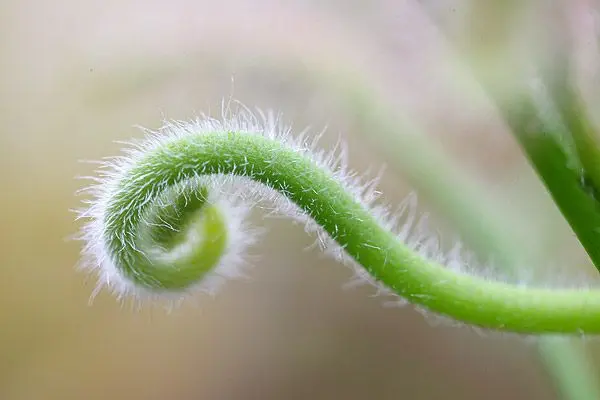
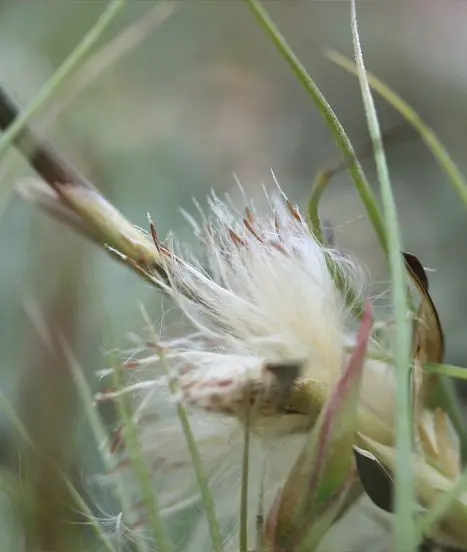
The famous Drosera capensis is a variable carnivorous plant: several natural variants exist, one of which develops a dense covering of hairs. Whilst the entire plant is affected, it is the flower stalk that develops the highest density of hairs. A closer look at a budding inflorescence…
What is the role of the hairs on *Drosera* capensis?
Protection, for one thing. Protection against insects, particularly the notorious aphids, which pose a real threat to the inflorescences. This is no small matter: the plant ensures its survival through its flowers, so their formation must be protected! Aphids seek a smooth surface that is easy to cling to and colonise. Faced with such armour, they will look elsewhere.
Regulation, on the other hand. Regulation is necessary in an environment that is undoubtedly more hostile than that in which the typical species grows – one that is hotter and drier. The hairs capture water, particularly dew, and cool the plant.
Another interesting feature of this form is its production of sticky glandular hairs (used to trap insects), which is more abundant than in the typical species. Here again, one might imagine that this is an adaptation to a poorer environment, with the traps’ effectiveness consequently enhanced.
For sale in the Karnivores shop
Love Carnivorous plants? Don't miss our plants and exclusive offers in the online shop.
Read next
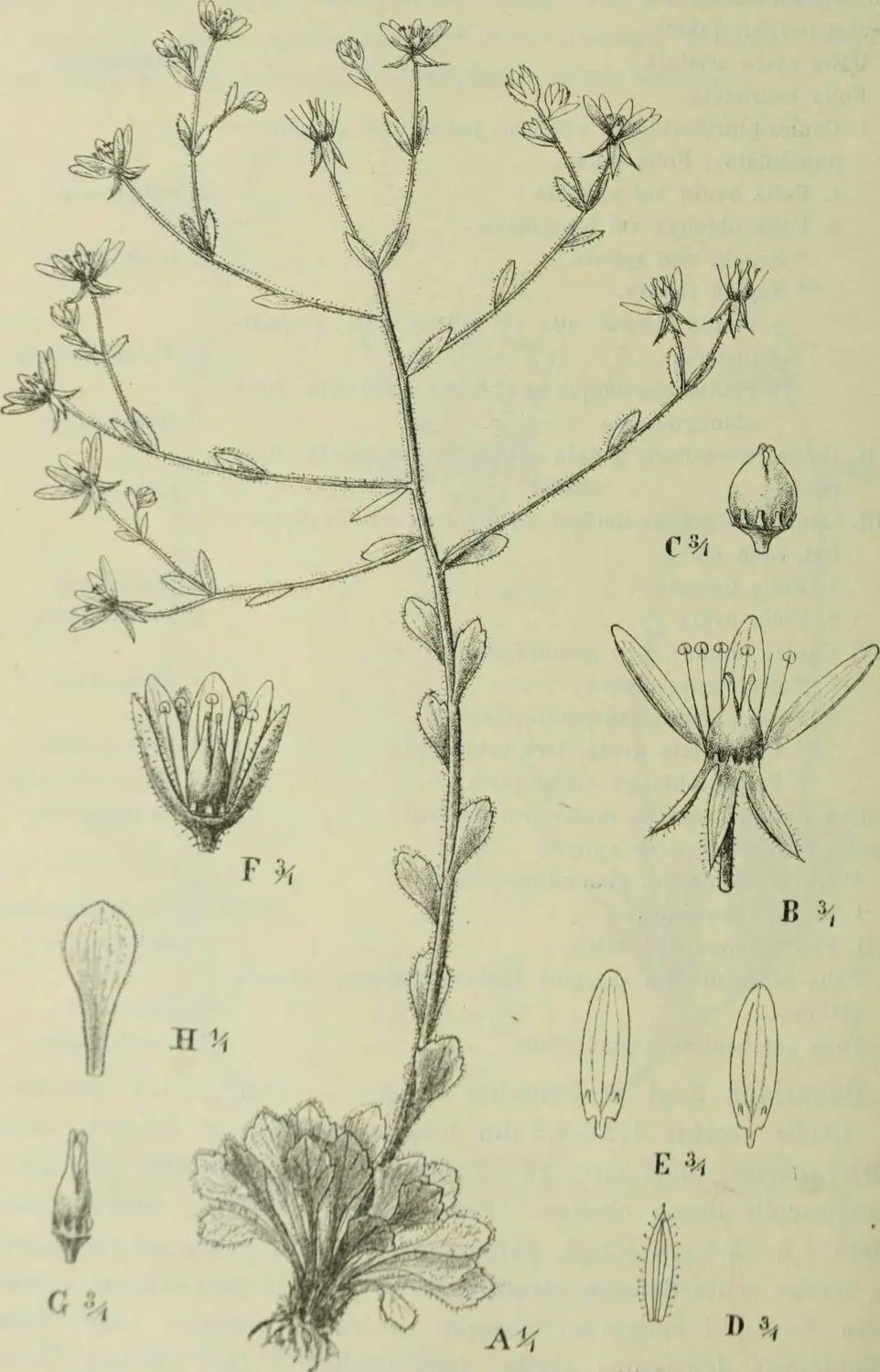
Saxifraga candelabrum: the flowering plant that confirms a 150-year-old hypothesis by Darwin
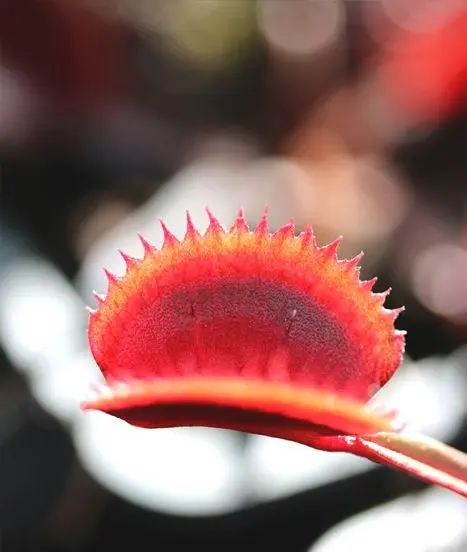
How does the Venus flytrap detect its prey? A 2025 study sheds light on its ‘sixth sense’
Growing Tillandsia from seed: a comprehensive guide to successful germination

Do Dionisian traps run on electricity?
How carnivorous plants digest their prey
Which plants can you grow on xaxim?