
Dormancy in carnivorous plants: a well-deserved rest
Dormancy is a natural phenomenon that enables plants to survive in adverse environmental conditions. Carnivorous plants, just like their non-carnivorous cousins, also go through periods of rest. But what are the specific characteristics of dormancy in these fascinating plants?
What is dormancy?
Dormancy is a state in which a plant’s life processes are slowed down or even suspended. It is characterised by reduced metabolic activity, slowed or even halted growth, and increased resistance to environmental stresses. This mechanism enables the plant to survive difficult periods, such as winter or drought, by conserving its resources.
Why do carnivorous plants enter dormancy?
There are many reasons for dormancy in carnivorous plants:
- Unfavourable climatic conditions: In regions with a temperate climate, carnivorous plants enter dormancy in autumn to withstand the cold, lack of light and drought.
- Life cycle: Some species have an annual life cycle and enter dormancy after producing seeds.
- Water stress: Carnivorous plants grown indoors may enter dormancy if they are subjected to prolonged water stress.
How does dormancy manifest itself in carnivorous plants?
Dormancy manifests itself in different ways depending on the species:
- Loss of leaves: The leaves of Drosera, for example, may dry out in large numbers and fall off.
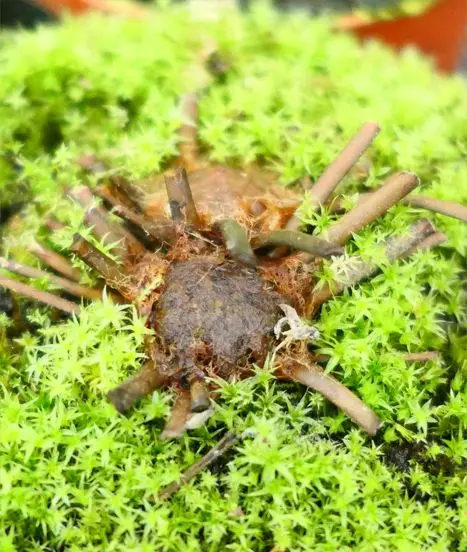
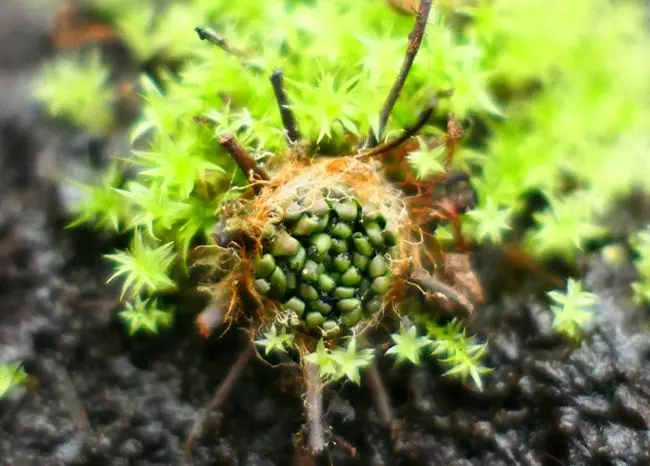
- Formation of a hibernacle: Once Drosera filiformis have shed their leaves by allowing them to dry out, they form a hibernacle. A hibernacle is a kind of winter bud that forms at the centre of the rosette of leaves. It is made up of modified leaves, which are smaller and thicker than normal leaves. These leaves are often tightly interlocked, forming a compact structure that protects the plant’s internal tissues.
- Slowed growth: Sarracenia plants produce fewer new pitchers, or perhaps none at all, during the dormant period.
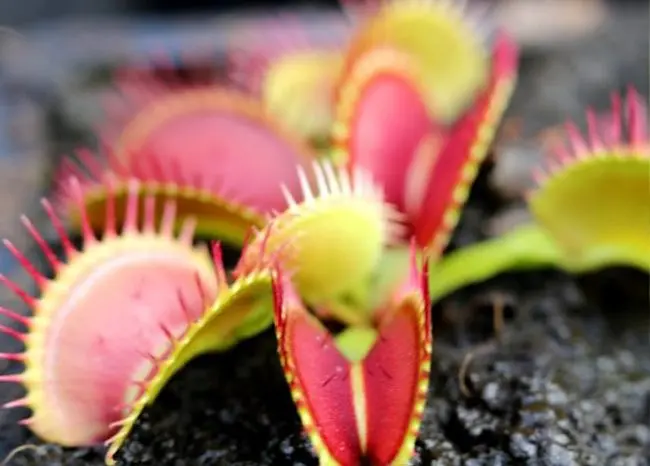
- Slowed metabolic activity: Some species, such as Dionaea, fold in on themselves – a process known as ‘prostration’ – and enter a state of lethargy.
Different dormancy strategies
Carnivorous plants have developed various strategies to cope with periods of stress:
- Seasonal dormancy: This is the most common type of dormancy, linked to seasonal variations in temperature and light levels.
- Drought-related dormancy: Some species enter dormancy during prolonged drought to conserve their water reserves (see ‘water stress’ above).
- Reproductive dormancy: After producing seeds, some plants enter dormancy and die, leaving only the seeds to ensure the survival of the species.
How can you encourage plants to come out of dormancy?
To encourage your carnivorous plants to come out of dormancy, you can:
- Gradually increase the light levels: Simulate the return of spring by gradually increasing exposure to light.
- Gradually rehydrate the growing medium: Water regularly but sparingly to avoid waterlogging the roots.
- Raise the temperature: If necessary, slightly increase the room temperature.
Mistakes to avoid
- Overwatering: Too much water can cause root rot.
- Exposing plants to temperatures that are too low: Frost can be fatal for some species.
- Disturbing the plants during their dormant period: Leave the plants undisturbed whilst they are dormant.
In conclusion
Dormancy is a natural phenomenon that is essential for the survival of carnivorous plants. By understanding the specific needs of each species, you can provide your plants with the best conditions to get through this period and regain their full vigour in the spring.
For sale in the Karnivores shop
Love Carnivorous plants? Don't miss our plants and exclusive offers in the online shop.
Read next
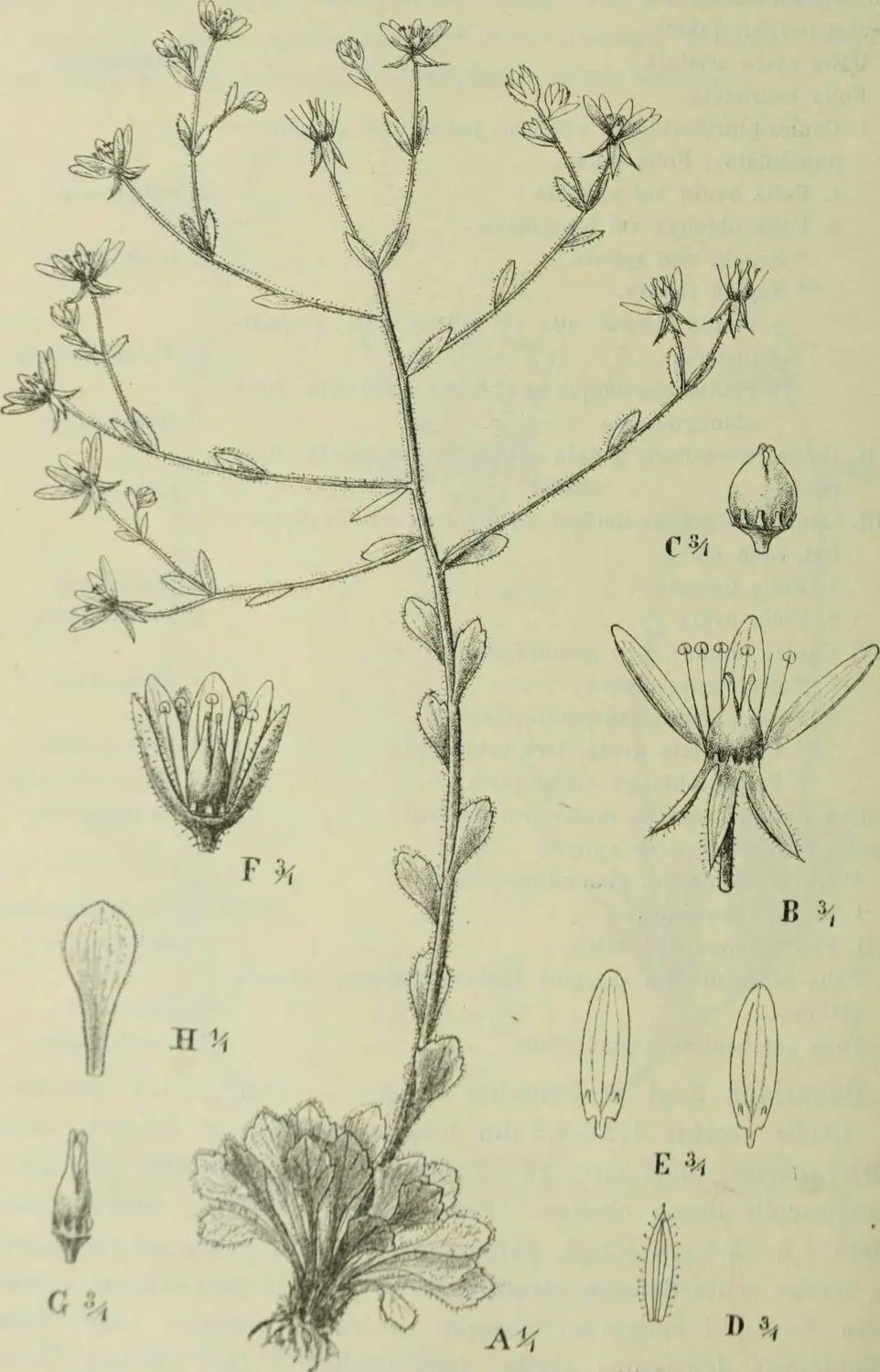
Saxifraga candelabrum: the flowering plant that confirms a 150-year-old hypothesis by Darwin
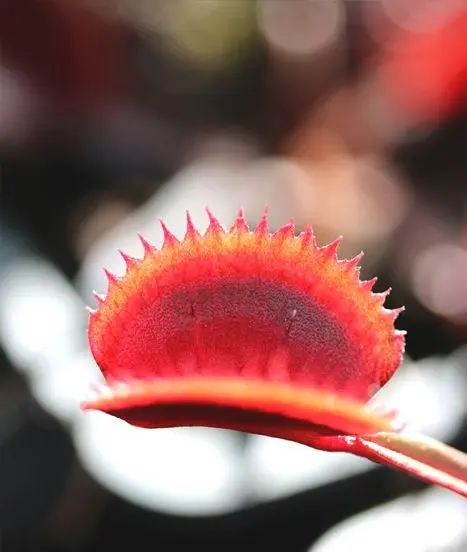
How does the Venus flytrap detect its prey? A 2025 study sheds light on its ‘sixth sense’
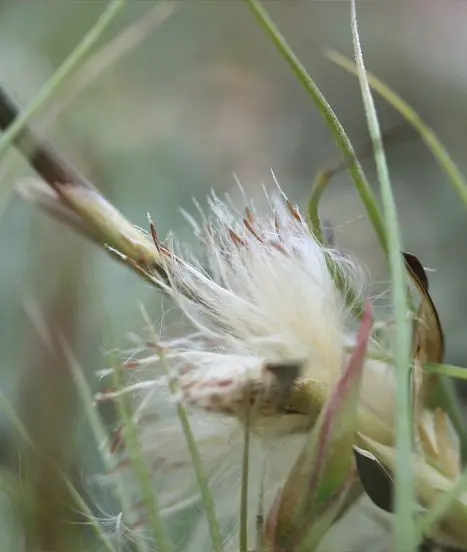
Growing Tillandsia from seed: a comprehensive guide to successful germination

Do Dionisian traps run on electricity?
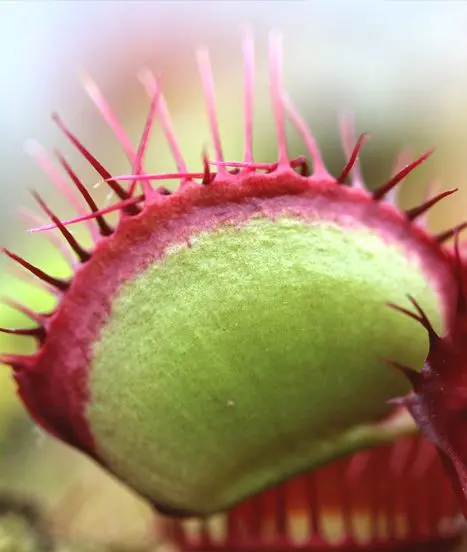
How carnivorous plants digest their prey
Which plants can you grow on xaxim?