
Sowing Cephalotus seeds
Introduction
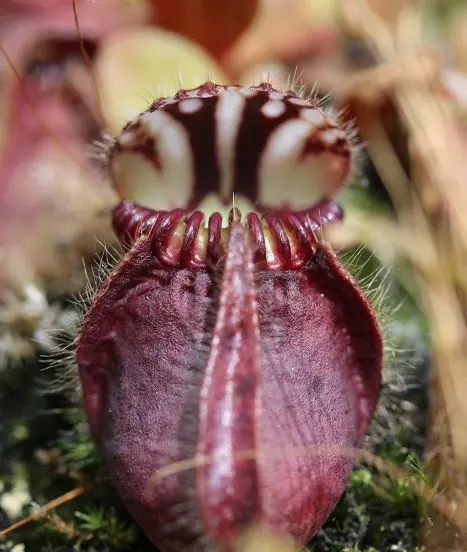
Cephalotus, a carnivorous plant native to Australia, fascinates with its pitcher-shaped traps. Growing it from seed is a delicate and demanding process, but oh so rewarding! Here’s how to go about it.
Step one: stratification
In our experience, stratification works better sometimes than others… But, in our view, there is no hard and fast rule on the matter.
What is stratification?
Stratification involves recreating an artificial winter to trigger the various mechanisms involved in germination (softening of the seed coat, access to water, etc.).
Preparation
Fill a pot with chopped, dried sphagnum moss and moisten it, or use greenhouse-grown sphagnum moss.
Semis
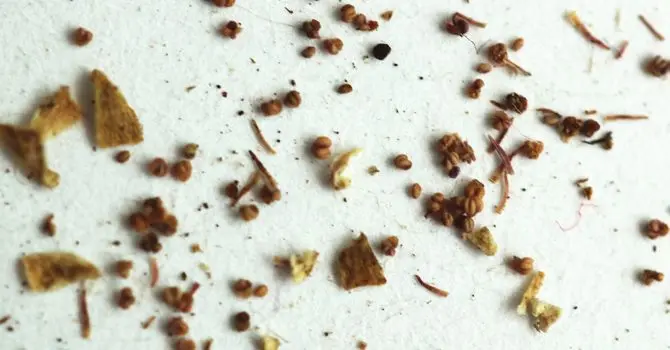
Gently place the seeds on the surface, without burying them along with any ‘debris’ (flower remains), as this has no effect.
Cold stratification
Close your greenhouse or place the pots in an airtight plastic bag and store them in the fridge for 8 weeks.
Stage two: germination
Once stratification is complete, remove your greenhouse or pot from the fridge and place it in an area with bright, diffused light, but avoid direct sunlight. This can be in a greenhouse or under horticultural lamps.
Leave the plastic bag and greenhouse closed throughout the germination process. With a bit of luck, germination should occur after several weeks, although it can take anywhere from a few months to a year.
Stage three: caring for Cephalotus seedlings
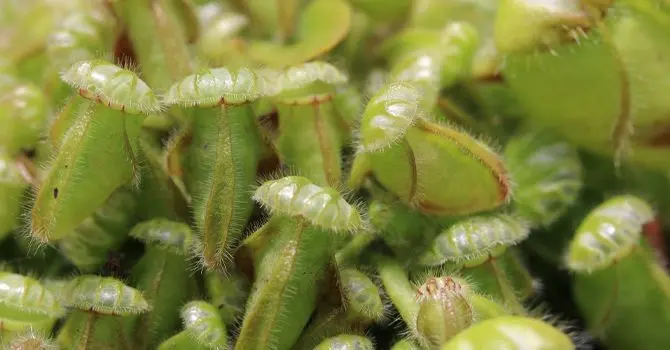
Cephalotus seedlings are very small to begin with and must be kept under cover (in a closed greenhouse) to encourage their growth, whilst keeping an eye on the moss, which could smother them.
It may be necessary to repot them several times into fresh growing medium. Once they are large enough, the plastic bag should be gradually opened to acclimatise them to lower humidity levels.
After repotting, the plants must be kept in a high-humidity environment until they reach a diameter of around 2.5 cm, at which point they can be moved to their permanent growing location.
Conclusion
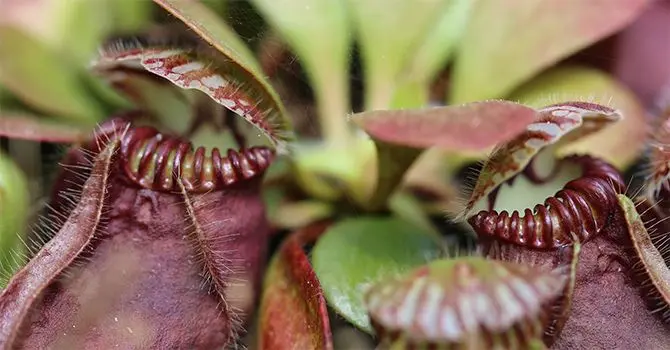
Growing Cephalotus from seed, whilst delicate and demanding, is a rewarding experience for any carnivorous plant enthusiast. By following the crucial steps of stratification, germination and seedling care, it is possible to successfully grow this fascinating plant. Patience and attention to detail – such as controlling humidity and monitoring the moss – are essential to allow young Cephalotus plants to grow to their optimal size before being moved to their permanent growing location.
For sale in the Karnivores shop
Love Carnivorous plants? Don't miss our plants and exclusive offers in the online shop.
Read next
Saxifraga candelabrum: the flowering plant that confirms a 150-year-old hypothesis by Darwin
How does the Venus flytrap detect its prey? A 2025 study sheds light on its ‘sixth sense’
Growing Tillandsia from seed: a comprehensive guide to successful germination
Do Dionisian traps run on electricity?
How carnivorous plants digest their prey
Which plants can you grow on xaxim?