
‘Pseudo-viviparity’ in Dionaea muscipula
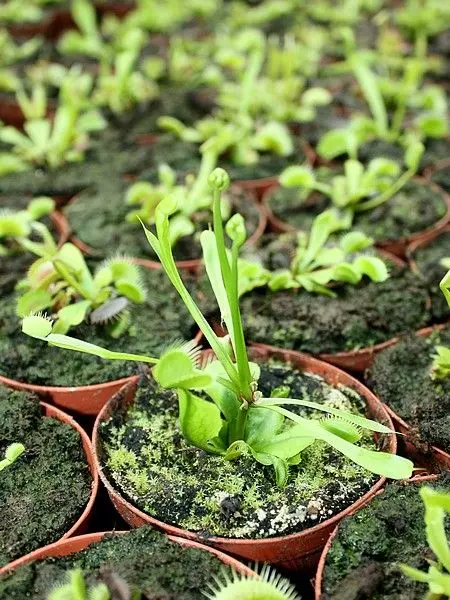
‘False viviparity’ or ‘pseudo-viviparity’ is a phenomenon that occurs in certain plants, as we have seen with Drosera, and which can be observed in cultivation. It refers to the emergence of a complete new plant, which sometimes grows very vigorously, from within a flower stalk itself. The development of the original plant is then abandoned.
This is effectively an aerial shoot. Orchid enthusiasts are familiar with this phenomenon, known as a ‘keiki’ in this particular case. Eventually, it can be removed and replanted. Among carnivorous plants, the Venus flytrap is the most prone to this anomaly. It can also be observed in Drosera.
According to the botanist Donald Schnell, it is the alternation of cold nights and warm days at the start of flowering that triggers this phenomenon, which can be seen as a return to the plant’s ‘normal’ growth state, namely the production of leaves and roots
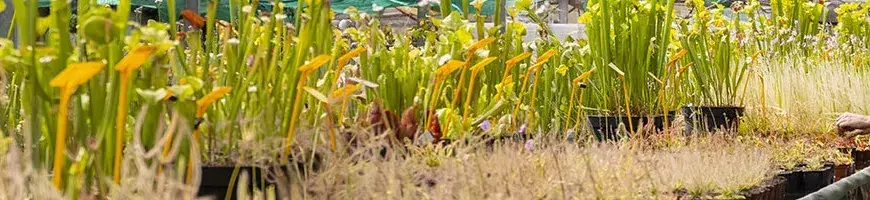
For sale in the Karnivores shop
Love Carnivorous plants? Don't miss our plants and exclusive offers in the online shop.
Read next
Saxifraga candelabrum: the flowering plant that confirms a 150-year-old hypothesis by Darwin
How does the Venus flytrap detect its prey? A 2025 study sheds light on its ‘sixth sense’
Growing Tillandsia from seed: a comprehensive guide to successful germination
Do Dionisian traps run on electricity?
How carnivorous plants digest their prey
Which plants can you grow on xaxim?