
Neem oil: Your natural ally against pests affecting carnivorous plants
As a carnivorous plant enthusiast or collector, you know just how crucial it is to maintain a healthy growing environment for these unique plants. Unfortunately, even the hardiest plants can sometimes fall prey to unwanted pests, such as mealybugs, aphids or spider mites. When faced with these problems, there is a natural and effective solution: neem oil.
What is neem oil?
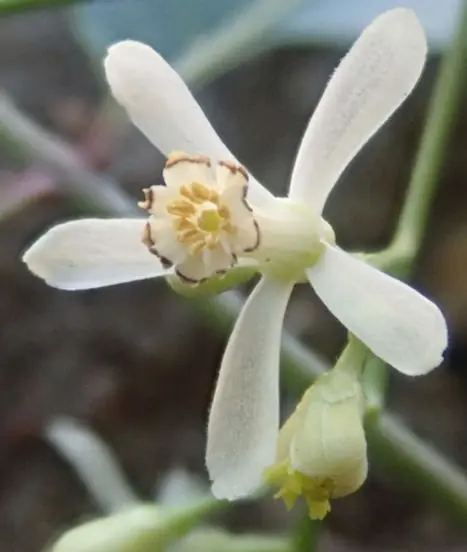
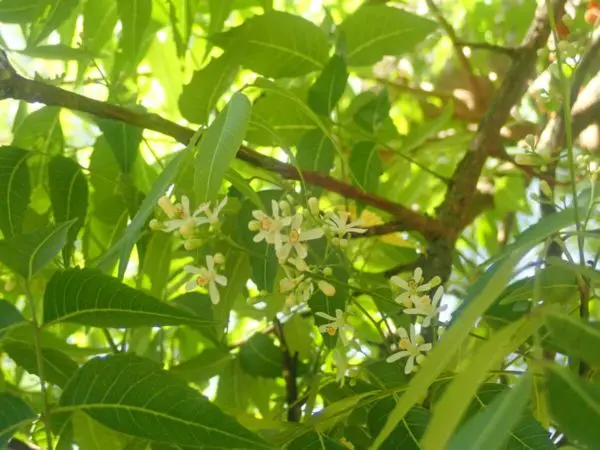
Neem oil is extracted from the seeds of the neem tree (Azadirachta indica), a tree native to India. It has long been recognised for its insecticidal, antifungal and acaricidal properties. Unlike some synthetic chemicals, neem oil acts more gently and is considered less harmful to the environment and beneficial insects when used correctly.
How does neem oil work against pests of carnivorous plants?
Azadirachtin, the main active ingredient in neem oil, disrupts the hormonal system of insect pests. This can lead to:
- Disruption of growth and moulting: The insects are no longer able to develop normally.
- Reduced appetite: Pests stop feeding, which weakens them.
- Reduced egg-laying: Females lay fewer eggs, helping to control the population.
Neem oil is particularly effective against:
- Mealybugs: These small, white, cottony insects that attach themselves to leaves and stems.
- Aphids: Small insects that feed on plant sap.
- Mites: Tiny arachnids that can cause spots and yellowing of the leaves.
- Thrips.
How should you use neem oil on your carnivorous plants?
Applying neem oil is relatively simple, but a few precautions are necessary, particularly to avoid damaging the delicate traps of certain carnivorous plants.
- Preparing the solution: Dilute the neem oil in lukewarm water according to the manufacturer’s instructions (usually 20 to 30 ml per litre of water). You can add a few drops of liquid black soap to help emulsify the oil.
- Application: Use a spray bottle to apply the solution to all the above-ground parts of the plant, paying particular attention to the undersides of the leaves and areas where pests are present.
- Frequency: Repeat the application every 7 to 14 days, or as required, until the infestation is under control.
Important precautions for carnivorous plants:
- Test on a small area: Before treating the whole plant, test the solution on a small section to ensure there is no adverse reaction. Take particular care with young leaves and traps.
- Avoid applying in direct sunlight: It is best to apply neem oil early in the morning or late in the day to prevent the leaves from getting burnt by the sun.
Conclusion
Neem oil is a natural and effective option for controlling many common pests of carnivorous plants. By using it with care and keeping a close eye on your plants, you can help them stay healthy and vigorous without resorting to harsh chemicals. Please do share your own experiences with neem oil with us!
For sale in the Karnivores shop
Love Carnivorous plants? Don't miss our plants and exclusive offers in the online shop.
Read next
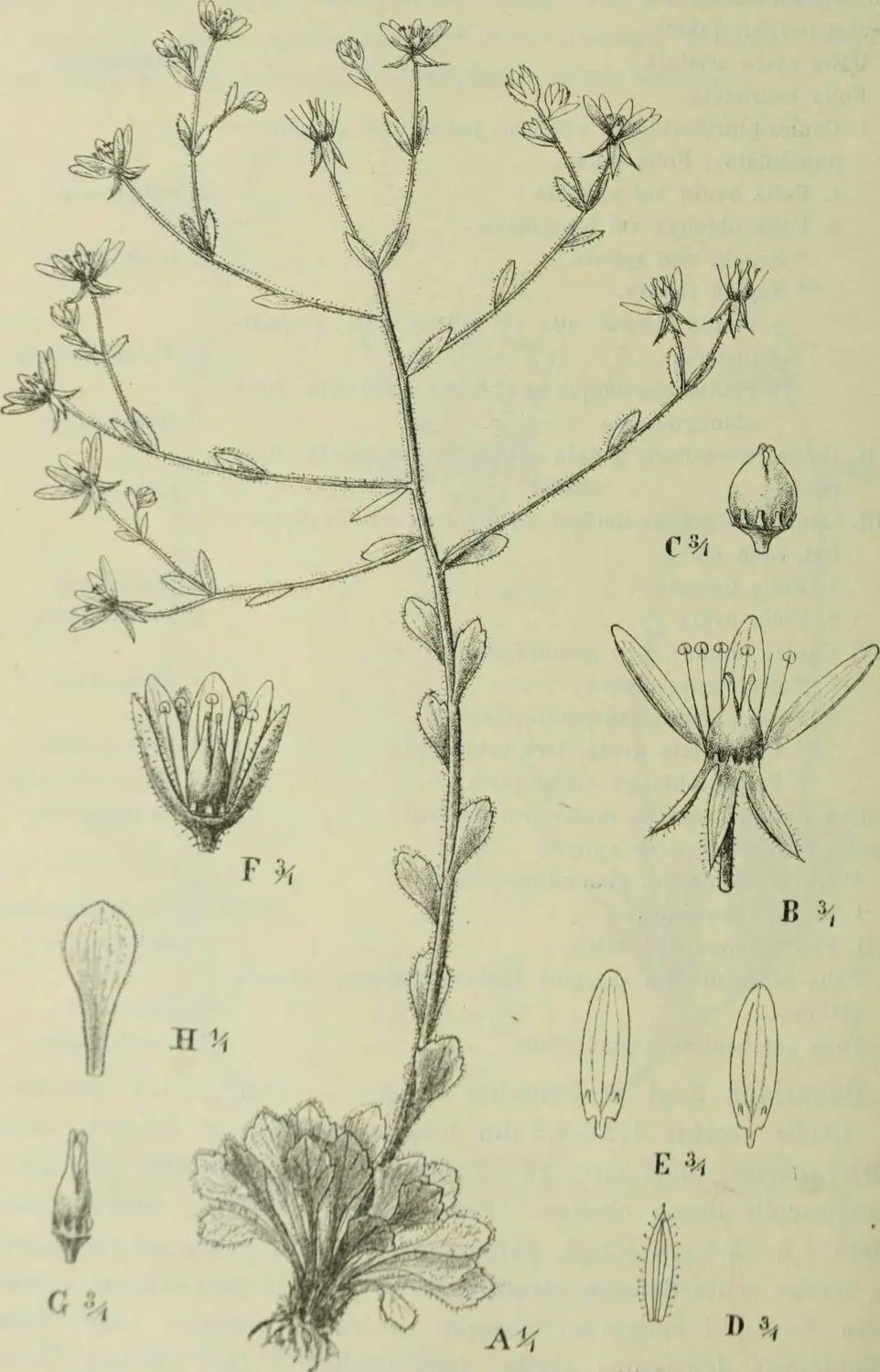
Saxifraga candelabrum: the flowering plant that confirms a 150-year-old hypothesis by Darwin
How does the Venus flytrap detect its prey? A 2025 study sheds light on its ‘sixth sense’
Growing Tillandsia from seed: a comprehensive guide to successful germination

Do Dionisian traps run on electricity?
How carnivorous plants digest their prey

Which plants can you grow on xaxim?