
Myths about carnivorous plants that need debunking
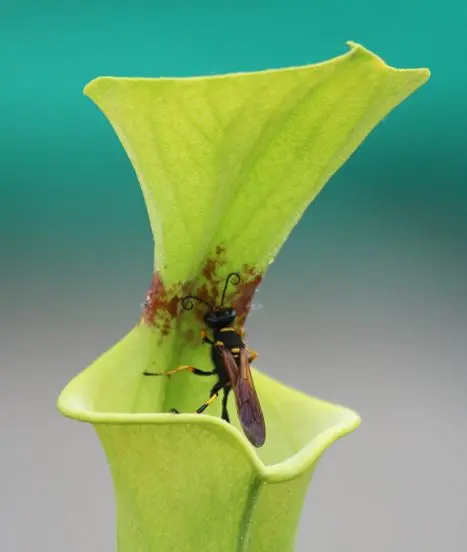
Carnivorous plants have always fascinated humankind. Their ability to capture and digest insects has given rise to numerous legends and popular beliefs, often tinged with exaggeration and fantasy. It is time to separate fact from fiction and discover the reality behind these astonishing plants.
Myth No. 1: Carnivorous plants eat humans
This idea, widely held in popular culture, has its origins in fantasy stories and horror films. Whilst it is true that some carnivorous plants can capture small animals, the notion that they could attack a human being is pure fiction. Their digestive system is simply too limited to digest prey of that size. The largest carnivorous plants, such as certain species of Nepenthes, may occasionally capture small mammals, but such occurrences are extremely rare and do not call into question the essentially insectivorous nature of these plants.

Myth No. 2: Carnivorous plants are dangerous to humans
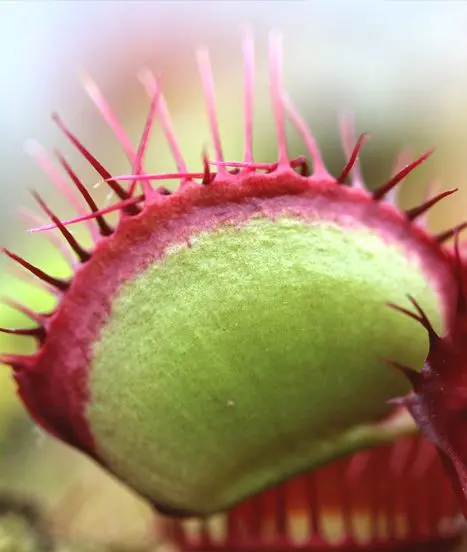
It is often said that carnivorous plants are dangerous and should be treated with caution. However, nothing could be further from the truth. The traps of these plants are designed to capture specific prey, usually flying or crawling insects. They pose no threat to humans. Touching a carnivorous plant does not cause any allergic or skin reactions. Of course, it is always best to handle these plants with care, especially if they have traps that are likely to snap shut quickly.
Myth No. 3: Carnivorous plants need to be fed meat
This misconception is often driven by a desire to look after one’s plant in an unusual way. However, feeding a carnivorous plant meat is not only pointless but can also be harmful to it. Carnivorous plants are perfectly capable of feeding on insects that they catch naturally. An excessive intake of organic matter can disrupt their physiological balance and encourage the development of diseases.
Myth No. 4: Carnivorous plants grow only in marshes
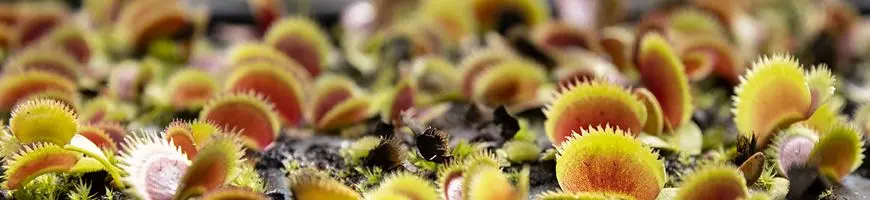
It is true that many species of carnivorous plants are found in wetland habitats, such as peat bogs and marshes. These habitats provide them with ideal growing conditions, notably nutrient-poor soil and high humidity. However, not all carnivorous plants live in marshes. Some species have adapted to drier environments, such as rocky outcrops or dunes. The diversity of carnivorous plants’ habitats is closely linked to their evolution and their ability to colonise specific ecological niches.
Myth No. 5: Carnivorous plants are evil
The often strange appearance of carnivorous plants, with their colourful traps and bizarre shapes, has fuelled numerous legends and superstitions. They have sometimes been viewed as evil, bloodthirsty creatures. This negative perception is completely unfounded. Carnivorous plants are simply living organisms that have developed extraordinary adaptations to survive in harsh environments. Their mode of nutrition is an evolutionary strategy that enables them to compensate for the nutrient deficiencies in their environment.
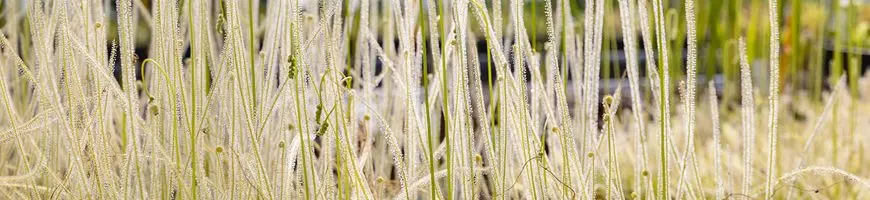
In conclusion, carnivorous plants are fascinating creatures that are in no way harmful. By gaining a better understanding of their needs and dispelling common misconceptions, you will be able to fully appreciate their beauty and uniqueness. These plants offer us a window into the workings of evolution and remind us of the diversity and ingenuity of the living world.
For sale in the Karnivores shop
Love Carnivorous plants? Don't miss our plants and exclusive offers in the online shop.
Read next
Saxifraga candelabrum: the flowering plant that confirms a 150-year-old hypothesis by Darwin
How does the Venus flytrap detect its prey? A 2025 study sheds light on its ‘sixth sense’
Growing Tillandsia from seed: a comprehensive guide to successful germination
Do Dionisian traps run on electricity?
How carnivorous plants digest their prey

Which plants can you grow on xaxim?