
Genlisea
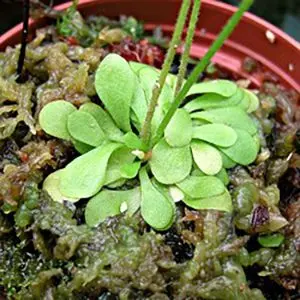
Genliseas are terrestrial or semi-aquatic carnivorous plants found in peat bogs, specialising in capturing protozoa. Their traps consist of long, hollow, twisted filaments into which tiny subterranean or aquatic organisms are sucked. They are prevented from escaping by tiny hairs pointing towards the centre of the plant. The prey is then transported to a cavity where it is digested by enzymes.
Above ground, only very small, sometimes relatively thick leaves are visible, which appear to grow in a haphazard manner, and, periodically, a long flower stalk bearing yellow or mauve flowers similar to those of Utricularia.
Their distribution roughly spans two continents: Africa (central and southern) and Latin America, extending as far as the West Indies and the southernmost tip of Mexico.
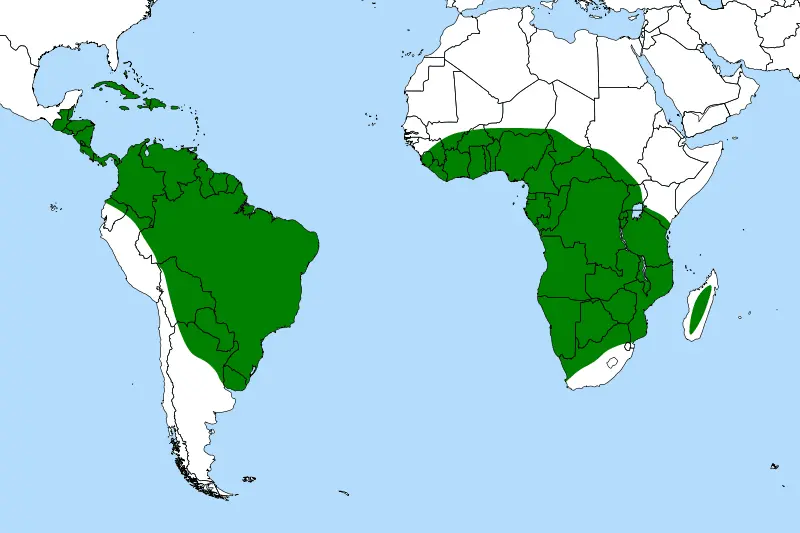
The climate is generally hot and humid, with a more or less significant drop in temperature at night depending on the altitude at which the plants grow. The 21 species known to date are all carnivorous.
For sale in the Karnivores shop
Love Carnivorous plants? Don't miss our plants and exclusive offers in the online shop.
Read next
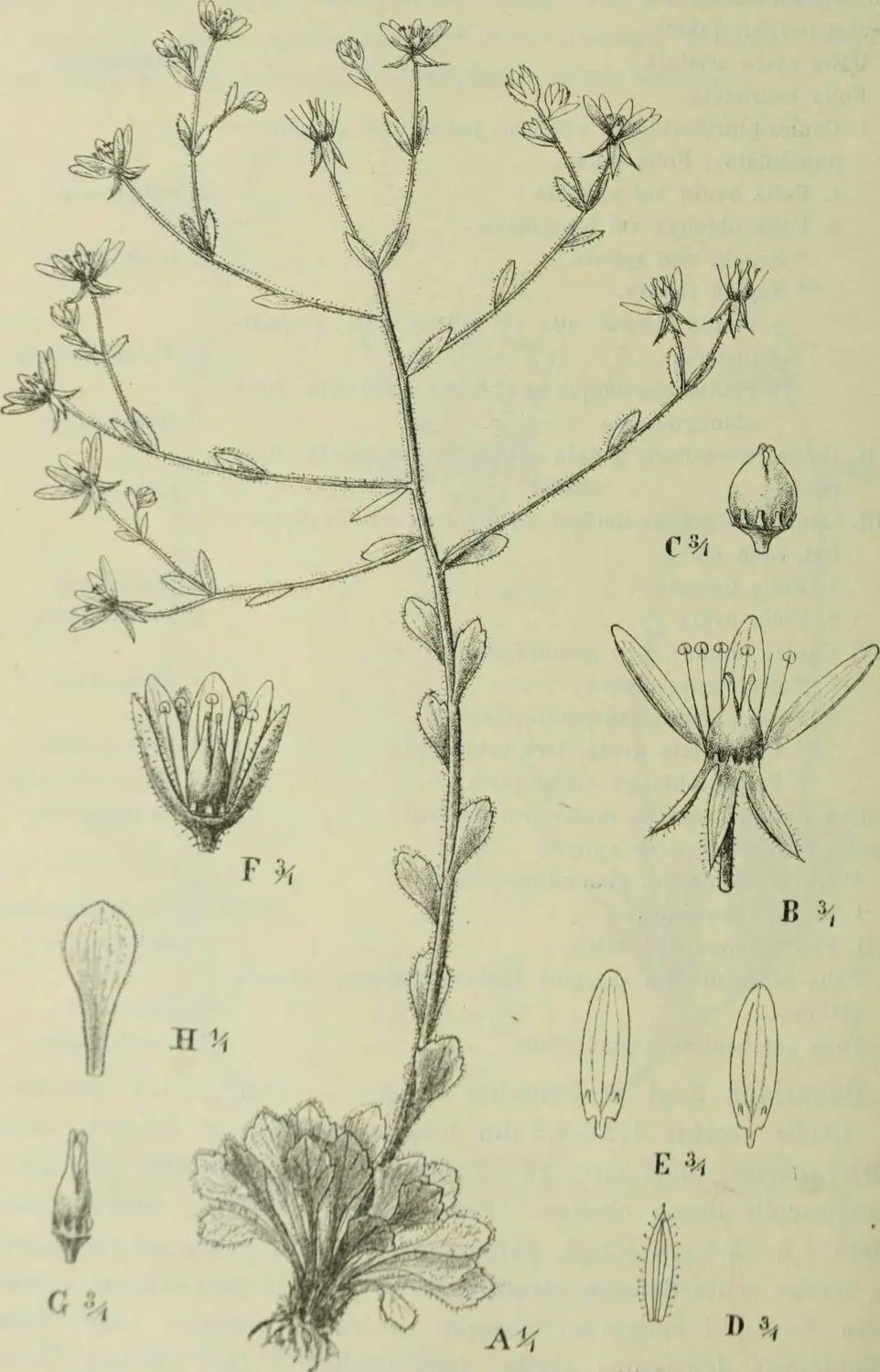
Saxifraga candelabrum: the flowering plant that confirms a 150-year-old hypothesis by Darwin
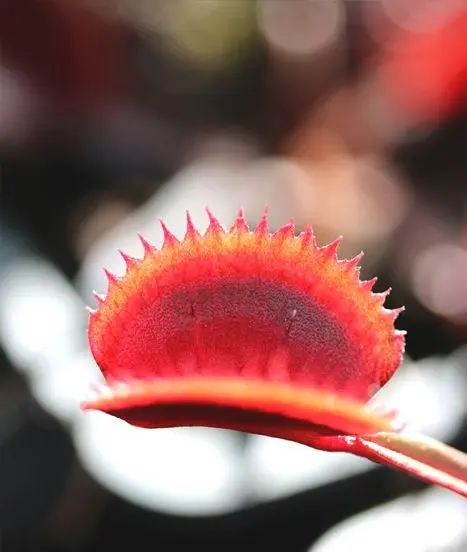
How does the Venus flytrap detect its prey? A 2025 study sheds light on its ‘sixth sense’
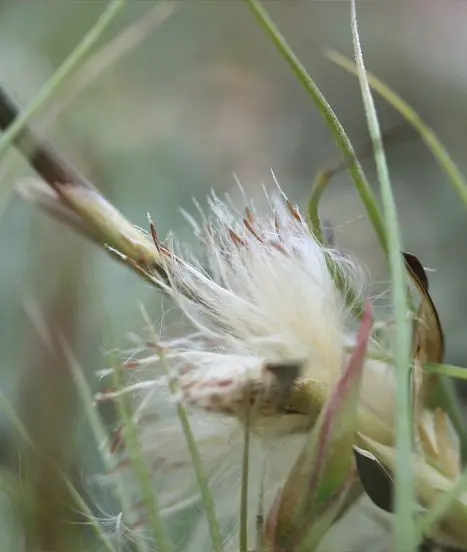
Growing Tillandsia from seed: a comprehensive guide to successful germination
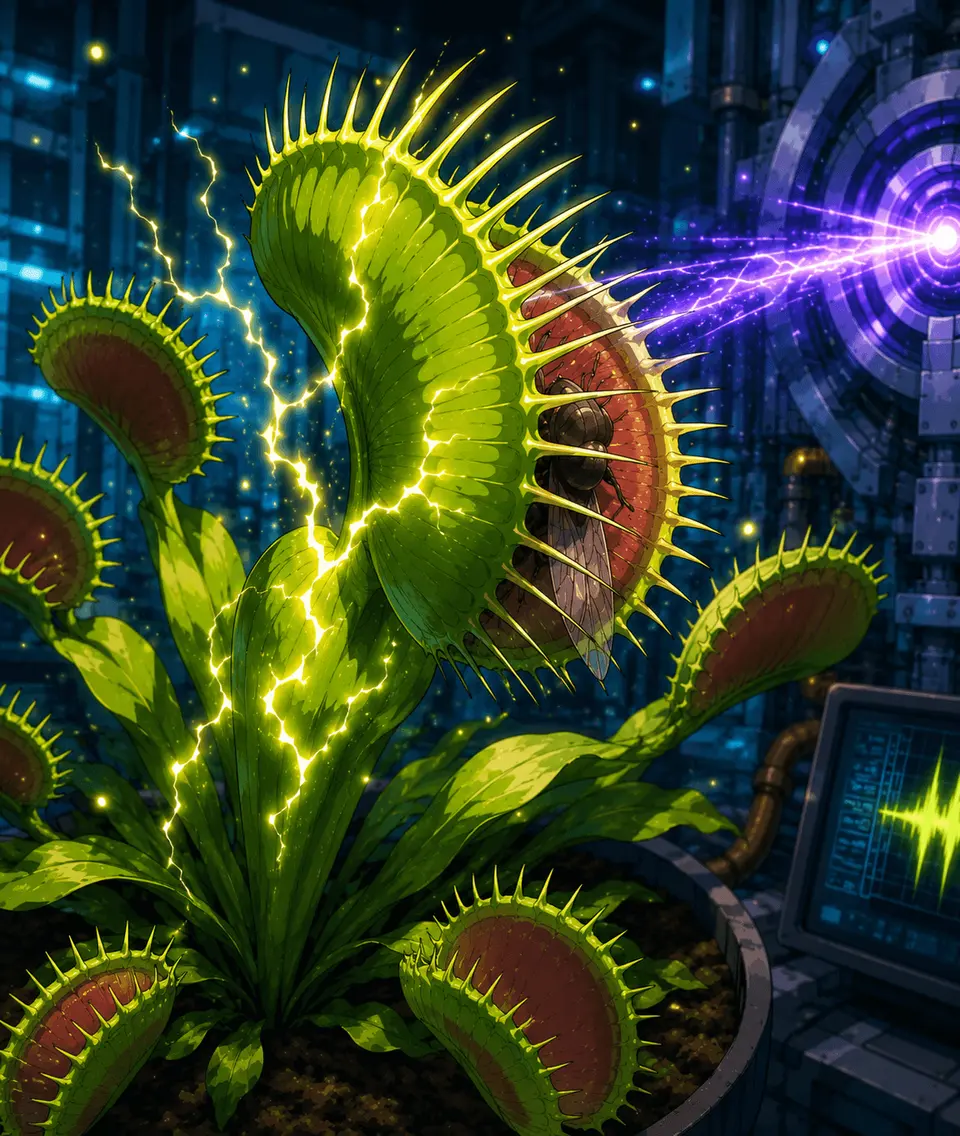
Do Dionisian traps run on electricity?
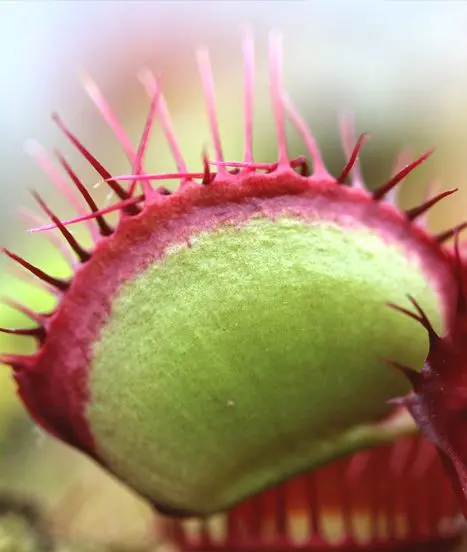
How carnivorous plants digest their prey
Which plants can you grow on xaxim?