
Environmental protection at Karnivores
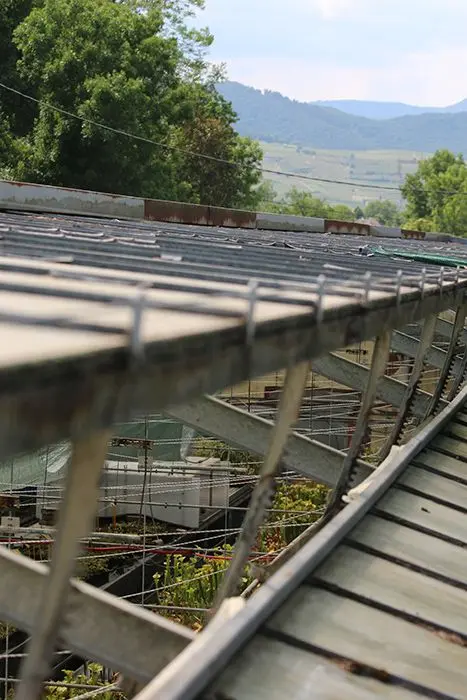
At Karnivores, we are not merely aware of environmental issues; we have our roots in the fight to protect biodiversity. Through the initiatives we have already put in place and our ongoing projects, we continue – and will continue – to make this issue a cornerstone of our work.
Chemicals and plant protection products
We use none at all: no fertilisers, no treatments. Black soap is our only weapon!
Packaging
All our packaging, whether cardboard or plastic, has been made from recycled materials for the past two years now. For those who have known us for a long time, we have also stopped using vinyl tape in favour of kraft tape, which is more fiddly to use but far more environmentally sound.
The additional cost – because there is one – has not been passed on to the product price.
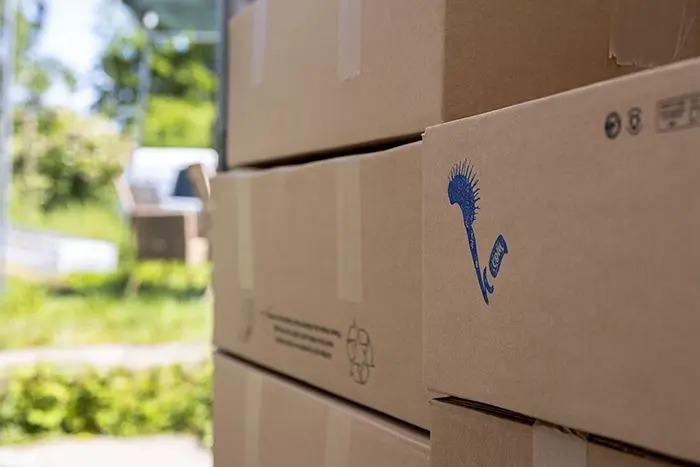
Packing materials
All the materials used to pad the plants and products in the boxes are reused materials. We therefore use:
- Newspaper collected from here and there,
- Kraft paper supplied to us by a company near our greenhouses, which is waste for them,
- Padded cardboard that we produce ourselves from the boxes containing the equipment we receive,
- Recycled bubble wrap, which is itself made from recycled plastic,
- Anything we can get our hands on that can be used as packing material rather than being thrown away!
Dry toilets
We no longer have conventional toilets; we now use only a dry toilet. We compost the ‘output’, which is then used in our vegetable garden.
Company vegetable garden
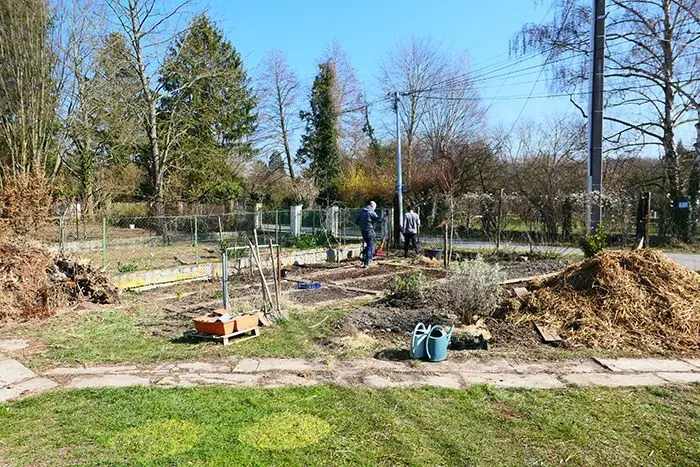
After a period of trial and error, we decided to set up a vegetable garden on site for everyone to use. With inflation and the war in Ukraine having caused transport costs to skyrocket, setting up this vegetable garden has enabled us to absorb a large part of the increase in delivery charges. Growing our own produce means we can pay ourselves less and thus absorb the price rises… We’re very proud of this!
Streamlining the collection
A few years ago, we decided to remove from our collection almost all plants that required a minimum temperature of 15°C, in order to reduce the heating in our greenhouses by up to 5°C.
This decision, which was a commercial risk, was also emotionally difficult for botanists like us, as we saw a great many plants disappear from our daily lives. However, history has proved us right, both environmentally and financially, given the rise in energy costs.
And we have plenty of projects in this area!
Recycling our own discarded pots
With the help of the DEFI-Écologique consultancy and eco-designer Philippe Riehling, we have now begun exploring the most effective way to recycle our horticultural pots on-site, ourselves. How? To create what kind of object? With what aims? These are all questions currently occupying our minds.
Whilst we’ll certainly need to launch a crowdfunding campaign on this, we’re already keen to hear all your ideas on the subject! > contact@karnivores.com <
Producing for the restoration of wetlands
Being particularly aware of current developments in France regarding habitat restoration and ecological engineering, we’d like to play our part in these conservation efforts by offering a solution in this field. Wetlands, the preferred habitat of carnivorous plants, are currently the most endangered habitats worldwide.
Drawing on our knowledge and expertise regarding at least a subset of the plants that grow there, we are undertaking a long-term review of how to supply plants – but, above all, a production method – for wetland restoration projects.
For sale in the Karnivores shop
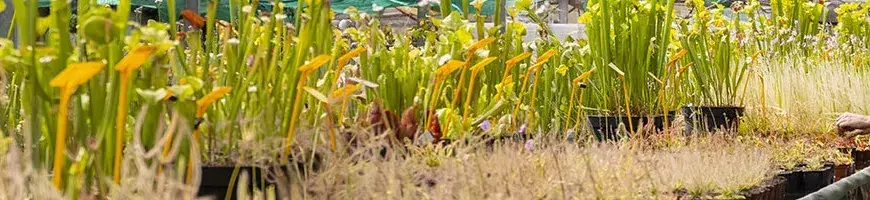
Love Carnivorous plants? Don't miss our plants and exclusive offers in the online shop.
Read next
Saxifraga candelabrum: the flowering plant that confirms a 150-year-old hypothesis by Darwin
How does the Venus flytrap detect its prey? A 2025 study sheds light on its ‘sixth sense’
Growing Tillandsia from seed: a comprehensive guide to successful germination
Do Dionisian traps run on electricity?
How carnivorous plants digest their prey
Which plants can you grow on xaxim?