
Drosera Venusta: an exceptional carnivorous plant
Introduction
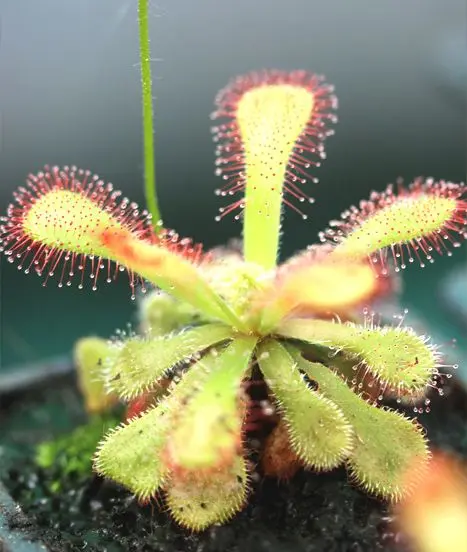
Drosera venusta is a fascinating carnivorous plant, prized both for its distinctive appearance and its unique ability to trap insects. Native to specific regions of Africa, this plant attracts the interest of botanists and carnivorous plant enthusiasts worldwide. In this article, we will explore the biology of Drosera venusta, its geographical origin, its history in the world of botany, and the best tips for growing it.
Biology of Drosera venusta
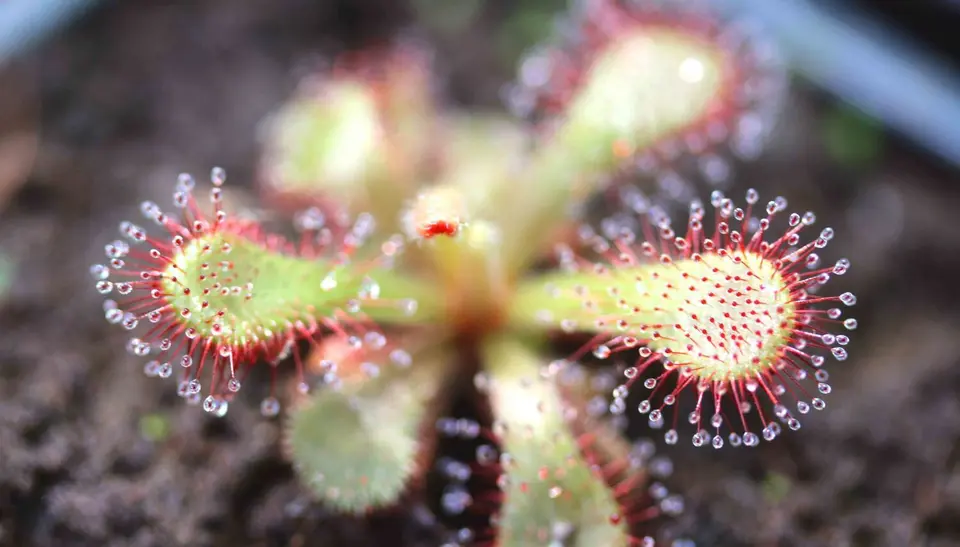
Drosera venusta belongs to the Droseraceae family. Like all plants of the genus Drosera, it has leaves covered in mucilaginous glands. These glands secrete a sticky substance that attracts and traps insects. Once captured, the insects are digested by enzymes, providing the plant with the nutrients it needs to grow in environments that are often nutrient-poor.
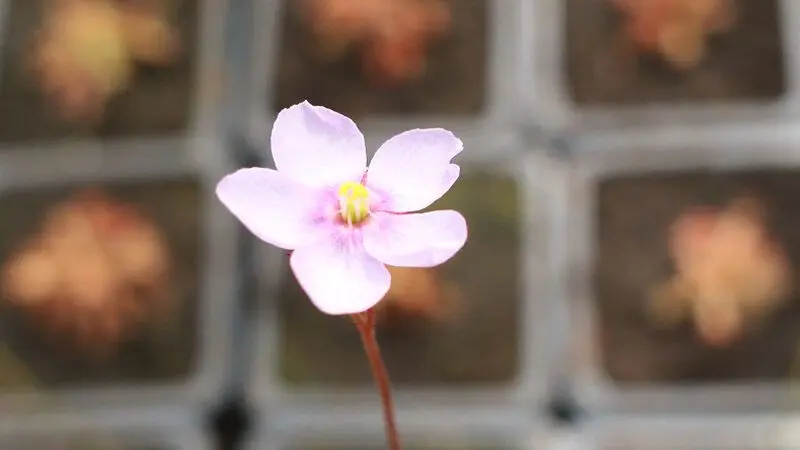
The leaves of *Drosera* venusta are elongated and arranged in a rosette. Their colour ranges from pale green to deep red, depending on light exposure. The flowers of this species are generally pale pink, adding a delicate touch to its exotic appearance.
Geographical Origin
Drosera venusta is native to the Eastern Cape region of South Africa. It grows mainly in the wet and marshy areas of this region, often on sandy or peaty soils. The local climatic conditions, characterised by hot summers and relatively mild winters, are ideal for the growth of this species.
History in the Botanical World
Drosera venusta was first discovered in the early 20th century. Since then, it has attracted the attention of botanists for its beauty and unique trapping mechanisms. Like many other carnivorous plants, this species has been studied to understand its ecological adaptations and its role in local ecosystems. It has also become popular amongst collectors of rare plants and keen gardeners.
Tips for growing Drosera venusta
Growing Drosera venusta requires some specific care to replicate its natural conditions:
Growing medium
Use a special mix for carnivorous plants to ensure good drainage whilst maintaining constant moisture.
Light
This plant thrives in bright conditions. Place it in a spot where it receives plenty of indirect light. Direct sunlight, however, can intensify the red colouring of its leaves.
Eau
Use demineralised water or rainwater for watering. Keep the growing medium consistently moist, but avoid excess standing water.
Humidity
Drosera venusta thrives in a humid environment. A relative humidity of 50% to 70% is ideal.
Temperature
This plant prefers moderate temperatures. Avoid extreme temperatures, both in summer and winter. Ideally, it thrives between 15°C and 25°C and benefits from a winter period at around 10°C.
Overwintering
In winter, the plant enters a state of dormancy, in that it droops slightly and reduces the spread of its foliage. Reduce watering but do not allow the compost to dry out completely. Place it in a cool but bright spot.
Conclusion
Drosera venusta is a remarkable carnivorous plant, both for its beauty and its unique adaptations. Native to South Africa, it continues to fascinate botanists and plant enthusiasts worldwide. With the right care and special attention to its specific needs, it can be a fascinating and exotic addition to any plant collection. By meeting its growing requirements, you will be able to admire this botanical marvel in all its splendour.
For sale in the Karnivores shop
Love Carnivorous plants? Don't miss our plants and exclusive offers in the online shop.
Read next
Saxifraga candelabrum: the flowering plant that confirms a 150-year-old hypothesis by Darwin
How does the Venus flytrap detect its prey? A 2025 study sheds light on its ‘sixth sense’
Growing Tillandsia from seed: a comprehensive guide to successful germination

Do Dionisian traps run on electricity?
How carnivorous plants digest their prey
Which plants can you grow on xaxim?