
Drosera aliciae: a fascinating carnivorous plant
Introduction
Drosera aliciae, also known as ‘Cape sundew’, is a fascinating carnivorous plant belonging to the Droseraceae family. This small plant is prized by enthusiasts of exotic and carnivorous plants for its unique characteristics and attractive appearance. In this article, we will explore the geographical origin of Drosera aliciae, its description, its biological functioning, as well as practical tips for growing it.
Geographical Origin of Drosera aliciae
Drosera aliciae is native to the humid regions of South Africa, specifically the Cape region. It is mainly found in marshy and peaty areas, where it thrives thanks to a temperate climate and regular rainfall. This plant is well adapted to the specific conditions of its natural habitat, where nutrient-poor soils have led it to develop carnivorous mechanisms to supplement its diet.
Description
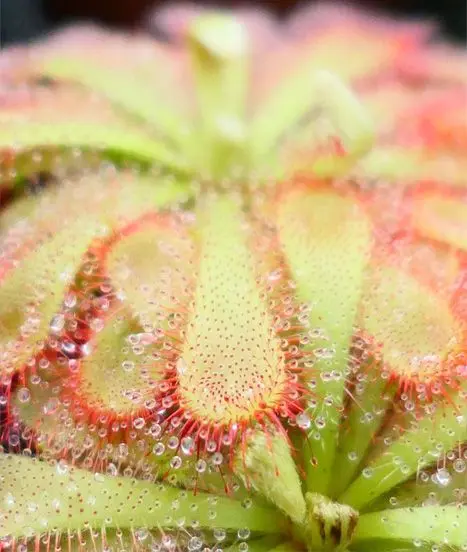
Drosera aliciae is a small perennial plant, generally measuring between 5 and 10 cm in diameter. Its leaves are arranged in a rosette and are covered with reddish glandular hairs, which secrete a sticky, dew-like substance, hence its common name. These sticky droplets attract and trap insects, which become a valuable source of nutrients for the plant. The leaves are usually green in colour, with shades of red that become more intense in bright light.
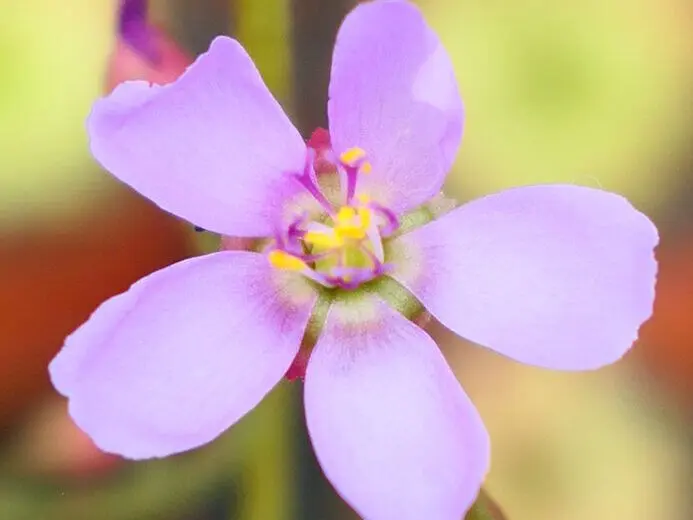
The flowers of Drosera aliciae are small and delicate, ranging from pale pink to white, and bloom on slender, upright stems. Flowering usually occurs in spring and summer, adding an extra touch of beauty to this intriguing plant.
Biological Function
Drosera aliciae’s predatory mechanism relies on its leaves, which are covered in glandular hairs. These hairs secrete a digestive enzyme that breaks down trapped insects, thereby facilitating the absorption of essential nutrients such as nitrogen and phosphorus, which are often scarce in the soils where it grows. When an insect is attracted by the sugary secretion and becomes trapped, the plant’s leaves begin to slowly curl around the prey, thereby increasing the contact surface area for more efficient digestion.
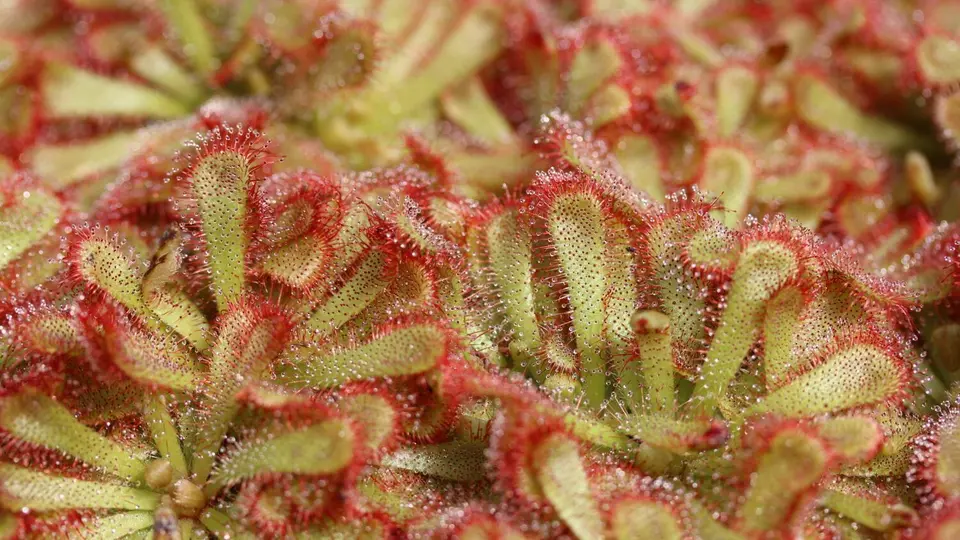
This carnivorous strategy enables Drosera aliciae to survive and thrive in environments where other plants would struggle to obtain the nutrients necessary for their growth.
Growing tips for Drosera aliciae
Growing Drosera aliciae outside its natural habitat can be a challenge, but with the right conditions, it can thrive. Here are a few tips for successful cultivation:
Growing medium
Use a mixture of peat and perlite to replicate the conditions of its natural habitat. The soil should be low in nutrients and well-drained.
Watering
Keep the soil constantly moist. Rainwater, osmosis water or distilled water is essential to prevent the build-up of minerals.
Light
Drosera aliciae requires bright light to develop its reddish colours and glandular hairs. Direct sunlight for a few hours a day is ideal.
Humidity
Maintain high humidity, between 50 and 70 per cent, to simulate its natural environment. A terrarium can help to control these conditions.
Temperature
This plant prefers moderate temperatures, between 15 and 25°C. It can tolerate slight variations, but avoid extreme temperatures whilst giving it a brief spell of dry, cool weather in winter at around 10°C.
Conclusion
Drosera aliciae is a remarkable carnivorous plant that fascinates with its appearance and unique survival mechanisms. Native to South Africa, this small plant can be successfully cultivated by following specific guidelines regarding substrate, watering, light, humidity and temperature. For lovers of exotic and carnivorous plants, Drosera aliciae is a valuable addition to any collection, offering both visual beauty and a captivating insight into unique plant adaptations.
For sale in the Karnivores shop
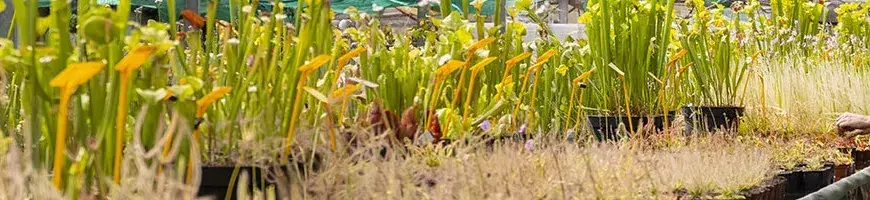
Love Carnivorous plants? Don't miss our plants and exclusive offers in the online shop.
Read next
Saxifraga candelabrum: the flowering plant that confirms a 150-year-old hypothesis by Darwin
How does the Venus flytrap detect its prey? A 2025 study sheds light on its ‘sixth sense’
Growing Tillandsia from seed: a comprehensive guide to successful germination

Do Dionisian traps run on electricity?
How carnivorous plants digest their prey
Which plants can you grow on xaxim?