
Drosera to keep gnats away from your compost
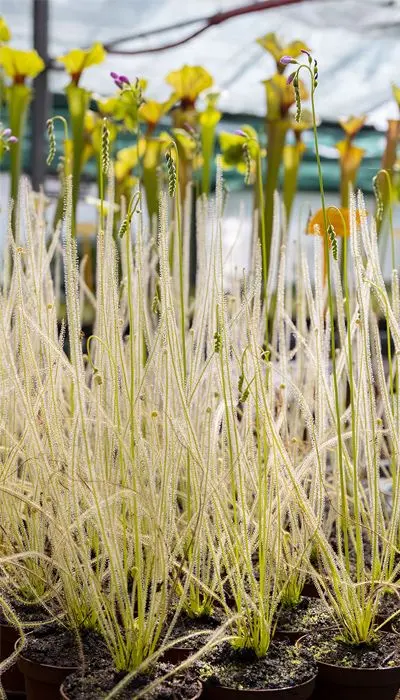
Gnats can quickly become a nuisance in our living spaces, particularly in our kitchens. To combat these tiny invaders naturally, many people are turning to environmentally friendly solutions. Among these, the Drosera plant stands out as a powerful ally in the fight against gnats. In this article, we’ll explore the benefits of Drosera and how to incorporate it effectively into your pest control strategy.
Drosera: A carnivorous plant to the rescue
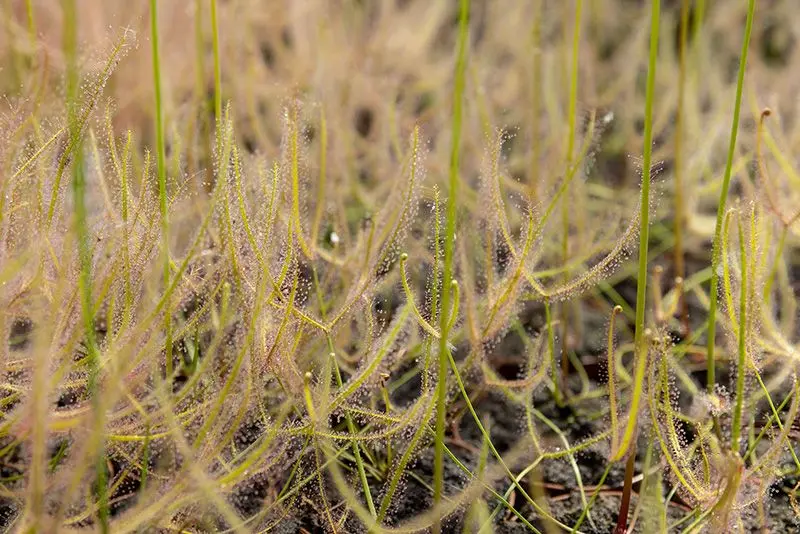
Drosera, which belongs to the carnivorous plant family, has developed a unique adaptation to survive in nutrient-poor environments, as we have previously discussed on this blog. This plant has tentacles covered in tiny sticky hairs that secrete a viscous substance. When a gnatt ventures onto the Drosera, it is quickly trapped by this substance, and the tentacles close in on their prey. The plant then releases digestive enzymes to absorb the nutrients from the captured insect.
A natural trap for gnats
Using Drosera as a means of controlling fruit flies offers several advantages. Firstly, it is an entirely natural solution, thus avoiding the use of chemicals that may be harmful to the environment and human health. What’s more, Drosera is quite simply a magnificent plant – although we may not be entirely objective in saying so.
Combining with other pest control methods
Although Drosera is effective against gnats, it is often best to combine its use with other natural methods to maximise effectiveness. Indeed, it is characteristic of almost all eco-friendly methods to combine several control measures rather than wait for a miracle solution. DIY gnats traps, essential oils such as peppermint and lemongrass, and maintaining a high standard of cleanliness in areas prone to infestation are all useful additions.
How to use Drosera to control compost gnats in your kitchen
Drosera’s traps are known as ‘passive’, meaning they do not create any movement but simply wait for the fruit flies to fly past and land on their sticky surface so they can devour them.
You will therefore need to place your Drosera (preferably ‘your’ Droseras, as a single plant may not be enough given how quickly the gnats multiply) as close as possible to your kitchen compost. If you can do so without it being too much of a hassle, simply place your plant right on top of the compost bin!
Fruit flies are also colour-sensitive. You’ll probably notice, at the end of the day, that they tend to gather in groups in certain spots: that’s where you should place your Drosera.
What are these gnats?
It should be noted that the term ‘gnat’ is often used generically to refer to various small flying insects resembling tiny flies and therefore belonging to the Diptera order.
Generally speaking, and more specifically in our case when discussing compost, these are fruit flies, also known as ‘Drosophila’.
Conclusion: Choose a natural and effective solution
In conclusion, Drosera proves to be a valuable ally in the fight against gnats. Its natural nature, combined with its proven effectiveness, makes it an attractive option for those seeking eco-friendly alternatives to traditional insecticides. By growing Drosera and incorporating other natural methods, you can create a healthy and harmonious environment, free from unwanted gnats.
For sale in the Karnivores shop
Love Carnivorous plants? Don't miss our plants and exclusive offers in the online shop.
Read next
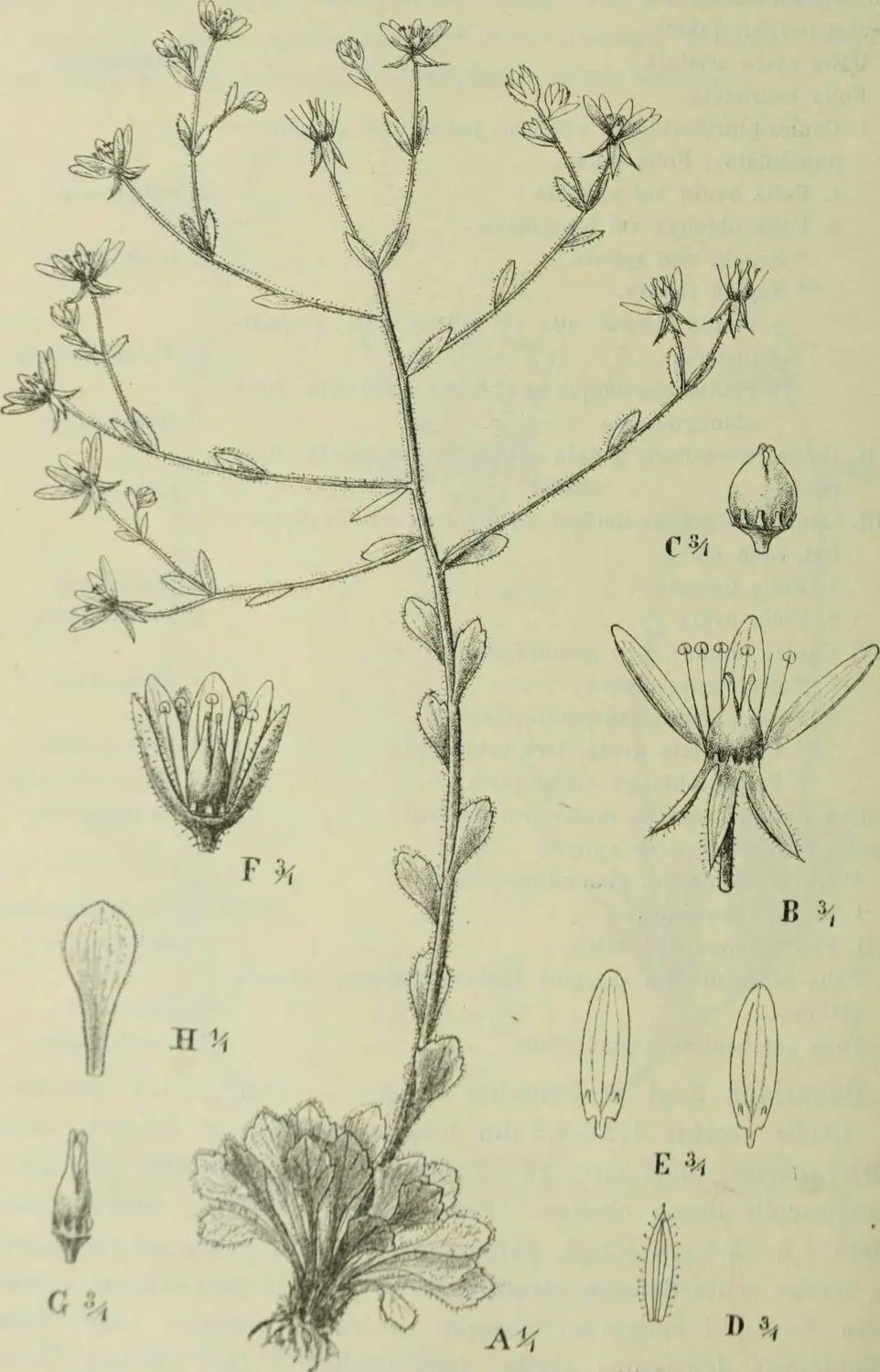
Saxifraga candelabrum: the flowering plant that confirms a 150-year-old hypothesis by Darwin
How does the Venus flytrap detect its prey? A 2025 study sheds light on its ‘sixth sense’
Growing Tillandsia from seed: a comprehensive guide to successful germination

Do Dionisian traps run on electricity?
How carnivorous plants digest their prey
Which plants can you grow on xaxim?