
Visible effects of the cold on carnivorous plants
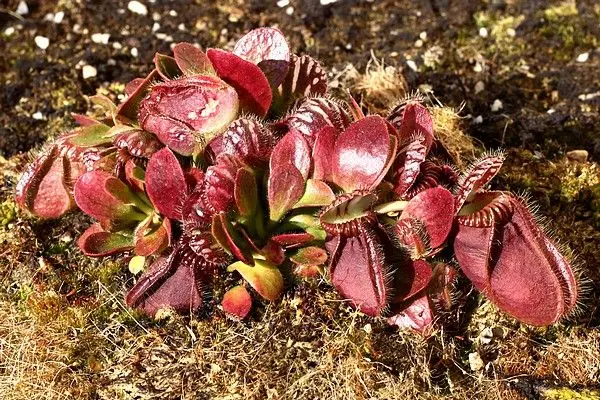
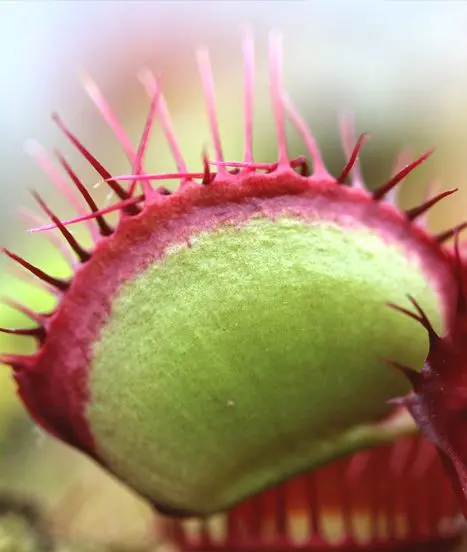
You may have noticed this with your carnivorous plants: some tend to turn a vivid red when the nights start to get cold. This can be seen in the Venus flytrap, but it’s even more noticeable in the Cephalotus.
This specimen, grown in a large pot outdoors, has already endured a few cold nights, with temperatures slightly below 0°C. The days that followed were mild. Whilst it is still in good condition, all its foliage has taken on a reddish hue. Temperature fluctuations between day and night colour the plants and, moreover, make them more resilient and vigorous.
In this case, Cephalotus follicularis eventually becomes stressed in a warm terrarium. From autumn onwards, a bit of cold does it a world of good and gives it this beautiful red colour.

For sale in the Karnivores shop
Love Carnivorous plants? Don't miss our plants and exclusive offers in the online shop.
Read next
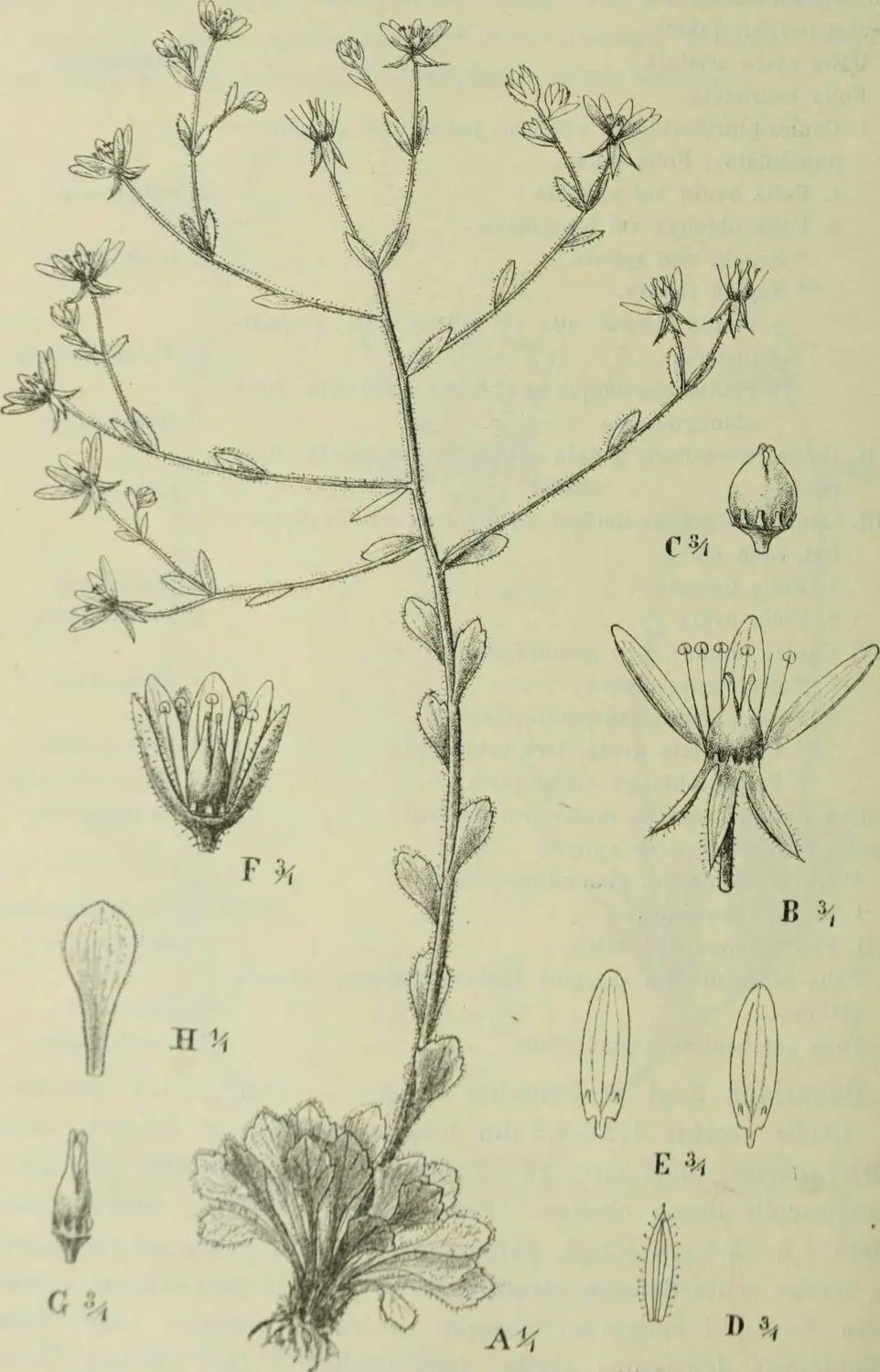
Saxifraga candelabrum: the flowering plant that confirms a 150-year-old hypothesis by Darwin
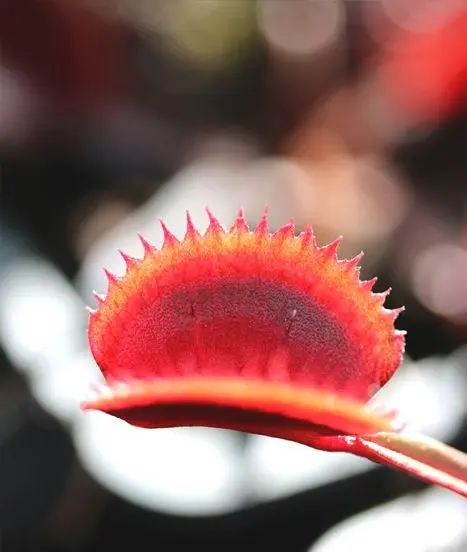
How does the Venus flytrap detect its prey? A 2025 study sheds light on its ‘sixth sense’
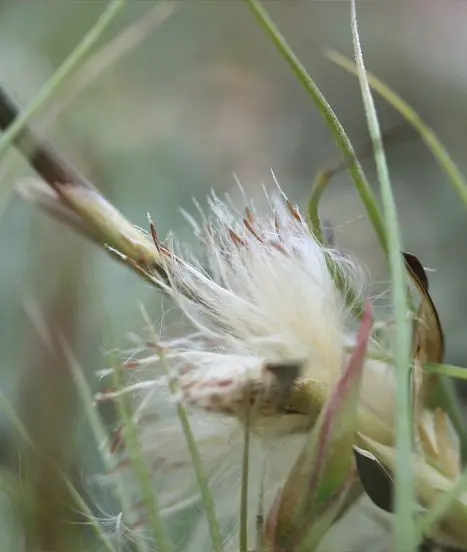
Growing Tillandsia from seed: a comprehensive guide to successful germination

Do Dionisian traps run on electricity?
How carnivorous plants digest their prey

Which plants can you grow on xaxim?