
The rare Drosera binata 'Copper Leaves'
Introduction
Drosera binata is a fascinating species of carnivorous plant belonging to the Droseraceae family. The ‘Copper Leaves’ variety is distinguished by the coppery hue of its leaves – as you might expect – adding a unique aesthetic touch to its biological intrigue. This article explores the biology, ecology and care requirements of this exceptional plant.
Biology
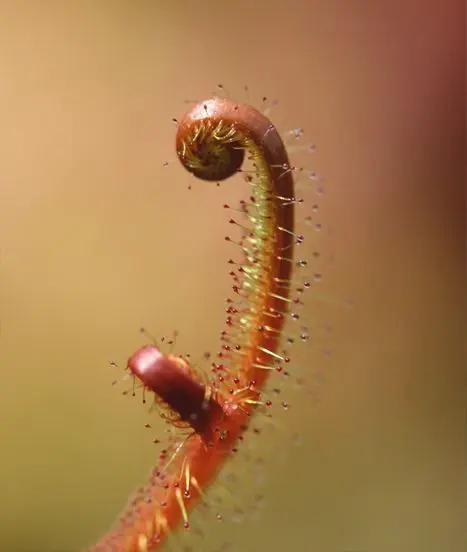
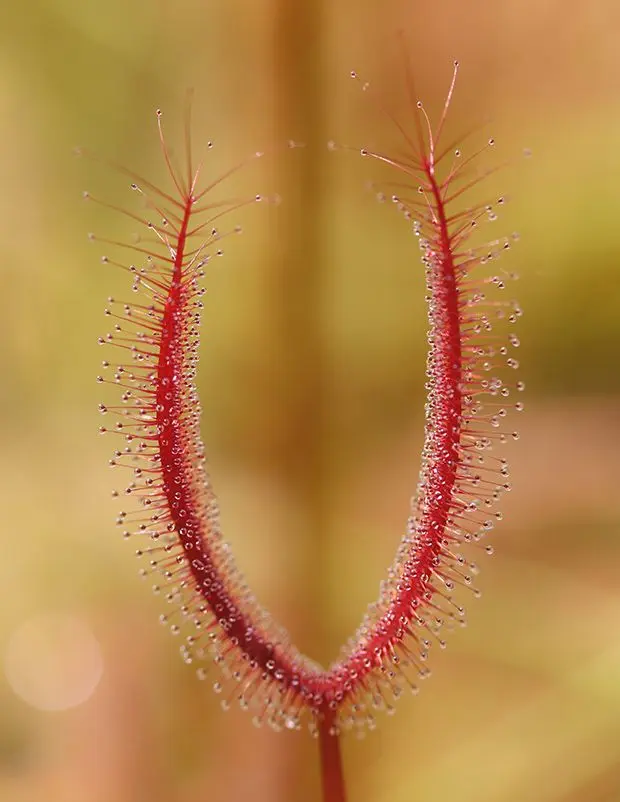
Drosera binata is a carnivorous plant characterised by its forked leaves, which often form a ‘Y’ shape or a more complex structure – such as in Drosera binata Mont Ruapehu – depending on the subspecies. The ‘Copper-leaved’ variety, which is relatively rare both in the wild and in cultivation, is particularly remarkable for the coppery colouring of its leaves, which enhances the plant’s visual appeal.
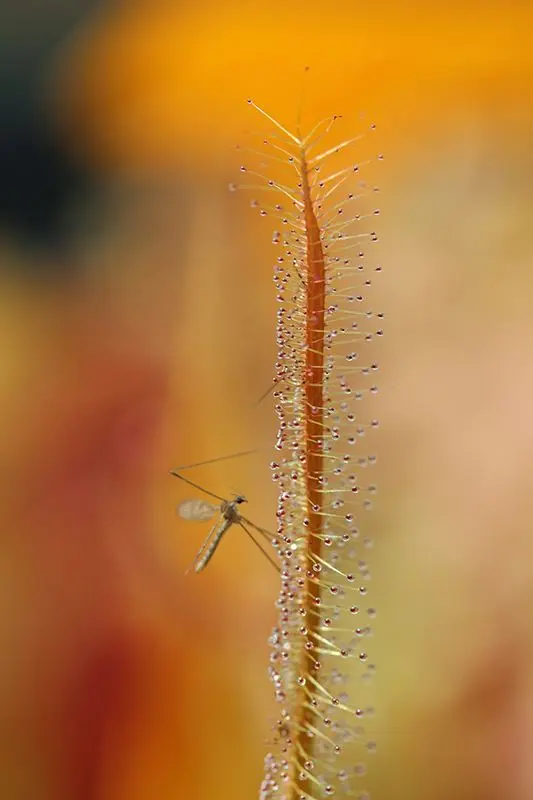
The leaves of D. binata are covered in glandular hairs that secrete a sticky, dew-like substance. These shiny droplets attract insects, which become trapped on contact. The leaves then usually curl slowly around the prey to maximise the contact surface area and aid digestion. The insects are digested by proteolytic enzymes secreted by the digestive glands, which break down proteins and other organic compounds, enabling the plant to absorb the nutrients it needs for growth.
Ecology
Drosera binata is found mainly in the temperate and subtropical regions of the southern hemisphere, particularly in Australia, New Zealand and Tasmania. This plant prefers damp environments, such as marshes, peat bogs and riparian zones, where the soil is acidic and nutrient-poor.
In these habitats, Drosera binata plays a crucial ecological role by helping to control insect populations and contributing to local biodiversity. Its ability to capture and digest insects enables the plant to survive and thrive in conditions where most other plants would struggle to establish themselves.. A characteristic shared by most carnivorous plants!
Care
Growing Drosera binata ‘Copper Leaves’ is relatively easy provided you meet its specific ecological requirements. Here are a few tips for keeping this plant healthy:
Potting mix
Use a specialised mix for carnivorous plants. This type of growing medium is acidic and low in nutrients, mimicking the plant’s natural growing conditions. Avoid nutrient-rich soils or those containing fertiliser, which can be highly toxic to the plant.
Humidity
Drosera binata requires high humidity to thrive. Keep the growing medium constantly moist by using a tray filled with distilled, reverse-osmosis or rainwater. In winter, simply keep the growing medium moist so that it does not dry out, in order to respect the plant’s growth cycle.
Light
This plant needs plenty of light. Place it in a spot where it receives direct sunlight for at least six hours a day. Indoors, a grow light can be used to provide adequate lighting.
Temperature
Drosera binata ‘copper-leaved’ prefers moderate temperatures. It can tolerate temperature fluctuations, but avoid extremes. In winter, this Drosera goes dormant and all its leaves disappear, only to reappear in spring.
Nutrition
Although Drosera binata can survive perfectly well without catching insects, its growth will be optimised if it can catch prey regularly.
Rempotage
Repot the plant every two to three years to prevent the soil from becoming compacted and to provide fresh growing conditions. You can certainly increase the size of its pot as you repot it and as the plant’s roots develop.
Conclusion
Drosera binata ‘Copper Leaves’ is a carnivorous plant that is as rare as it is incredibly attractive. Its ability to capture and digest insects, as well as its adaptation to harsh environments, make it a particularly interesting species for carnivorous plant enthusiasts.
By meeting its requirements in terms of substrate, humidity, light and temperature, you can easily enjoy the beauty and fascinating capabilities of this remarkable plant.
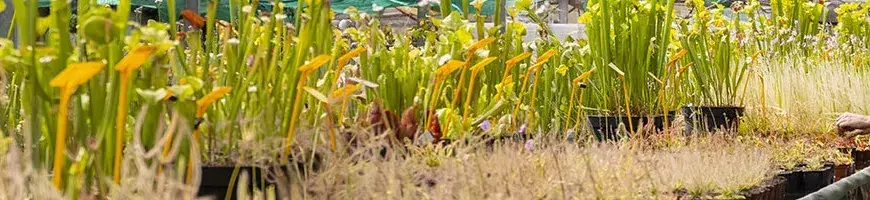
For sale in the Karnivores shop
Love Carnivorous plants? Don't miss our plants and exclusive offers in the online shop.
Read next
Saxifraga candelabrum: the flowering plant that confirms a 150-year-old hypothesis by Darwin
How does the Venus flytrap detect its prey? A 2025 study sheds light on its ‘sixth sense’
Growing Tillandsia from seed: a comprehensive guide to successful germination
Do Dionisian traps run on electricity?
How carnivorous plants digest their prey
Which plants can you grow on xaxim?