
The carnivorous plant’s dilemma: to eat or to reproduce?
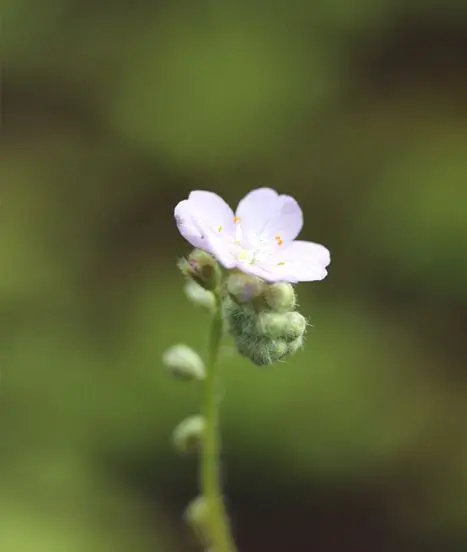
Introduction
Arthur Sanguet, on his excellent blog PhagoPhytos, discusses a real dilemma facing carnivorous plants. Indeed, carnivorous plants, whilst having evolved to capture and digest insects to meet their nutritional needs, face a unique dilemma: how to reconcile this necessity with the need to reproduce? Indeed, the very adaptations that attract prey can also attract the pollinators essential for sexual reproduction.
Sexual Reproduction in Plants
Sexual reproduction in plants, particularly in angiosperms (flowering plants), often relies on cross-pollination. This process, usually carried out by insects, allows for genetic mixing, which is fundamental to the evolution of species.
The Dilemma Facing Carnivorous Plants
For carnivorous plants, the challenge lies in distinguishing between pollinating insects and potential prey. If they capture their pollinators, they jeopardise their ability to reproduce. These plants must therefore strike a delicate balance between attracting prey for nutrition and attracting pollinators for reproduction.
Strategies for Resolving this Dilemma
To avoid capturing their pollinators, carnivorous plants have developed several strategies:
- Spatial Separation: Many species position their flowers well above their traps, thereby reducing the risk of pollinators being captured.
- Temporal Separation: Some species produce their flowers and traps at different times of the year, thereby minimising the period of overlap.
- Sensory Separation: Carnivorous plants use different scents, colours and shapes to attract different types of insects to their flowers and traps.
The Evolution of Carnivorous Plants
The evolution of carnivorous plants is a complex process influenced by various environmental factors, including the availability of nutrients and the diversity of insects present in their habitat. The strategies developed by these plants to resolve the dilemma of nutrition and reproduction represent a fascinating example of adaptation.
Conclusion
Carnivorous plants, despite their fearsome appearance, face challenges similar to those of many other species. The conflict between nutrition and reproduction is a striking example of the complexity of interactions between organisms and their environment. Understanding the evolutionary strategies of these plants allows us to appreciate the diversity and ingenuity of the natural world even more.
For sale in the Karnivores shop
Love Carnivorous plants? Don't miss our plants and exclusive offers in the online shop.
Read next
Saxifraga candelabrum: the flowering plant that confirms a 150-year-old hypothesis by Darwin
How does the Venus flytrap detect its prey? A 2025 study sheds light on its ‘sixth sense’
Growing Tillandsia from seed: a comprehensive guide to successful germination
Do Dionisian traps run on electricity?
How carnivorous plants digest their prey
Which plants can you grow on xaxim?