
The benefits of biochar for houseplants
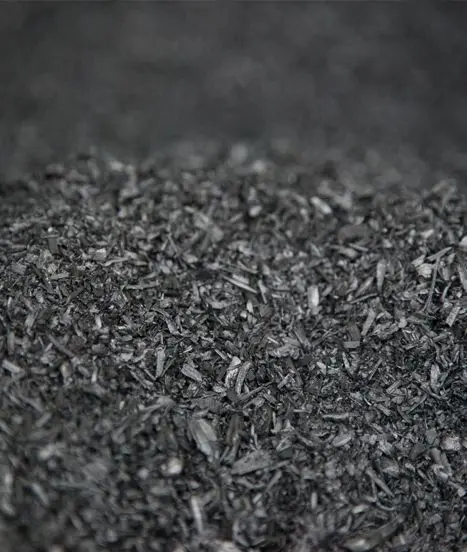
Biochar is a carbon-rich material produced by the pyrolysis of biomass (agricultural waste, forestry residues, etc.). Its use as a substrate amendment is widely studied in container horticulture (potted/indoor plants) and in agriculture due to its numerous beneficial effects.
1. Improvement of the physical properties of the growing medium
This is a major advantage for plants grown in pots, where the growing medium tends to become compacted.
- Water retention and aeration: Biochar’s highly porous structure increases both the growing medium’s capacity to retain water (reducing water stress) and improves its aeration (promoting root respiration). Both these properties are crucial for the health of container-grown plants.
- Density and structure: It can help to lighten or improve the structure of heavy growing media. It is also being studied as a partial substitute for peat (a non-renewable resource), thereby contributing to a circular economy in the horticultural sector.
2. Improved fertility and nutrition
Biochar is not a fertiliser, but it optimises nutrient utilisation.
- High Cation Exchange Capacity (CEC): Biochar has a large surface area and numerous negative charges. This increases the substrate’s cation exchange capacity (CEC), enabling it to retain nutrient cations more effectively. This retention reduces the leaching of nutrients during watering, making the fertiliser more readily available to the plant over a longer period.
- Increased pH: Biochar is generally alkaline. Adding it can help neutralise substratesthat are too acidic, making certain nutrients more readily available to plants. However, caution is advised on soils or substrates that are already alkaline.
- Microbial activity: Its porous structure serves as a refuge and support for beneficial microorganisms (nitrogen-fixing bacteria, mycorrhizal fungi), stimulating the biological activity of the soil or growing medium, which indirectly promotes nutrient uptake.
3. Stress resistance and biological effects
Studies show that biochar helps plants cope with adverse conditions.
- Tolerance to abiotic stresses: Improved water retention and nutrient availability enhance plants’ resistance to water stress (drought) and soil/substrate salinity.
- Pollutant sequestration: Biochar has the ability to adsorb certain toxic compounds or heavy metals in the soil, making them less bioavailable and thereby reducing their uptake by plants.
- Hormonal regulation: Research suggests that biochar may interact with plant growth regulators (phytohormones), promoting root growth and enhancing photosynthesis under certain conditions.
Scientific accuracy: Heterogeneity of results
It is important to note that the effects of biochar are not universal. Research highlights that its effectiveness depends heavily on several factors (Source 1.1):
- Raw material: The type of biomass used (wood, shells, manure, etc.).
- Pyrolysis conditions: In particular, the production temperature, which influences its porosity, pH and cation exchange capacity (CEC).
- Plant species: Not all plants respond in the same way.
- Application rate: The optimal incorporation rate must be adjusted (rates below 25 per cent by volume are often recommended to achieve positive results or outcomes similar to the control, according to certain reviews on containerised substrates).

For sale in the Karnivores shop
Love Carnivorous plants? Don't miss our plants and exclusive offers in the online shop.
Read next
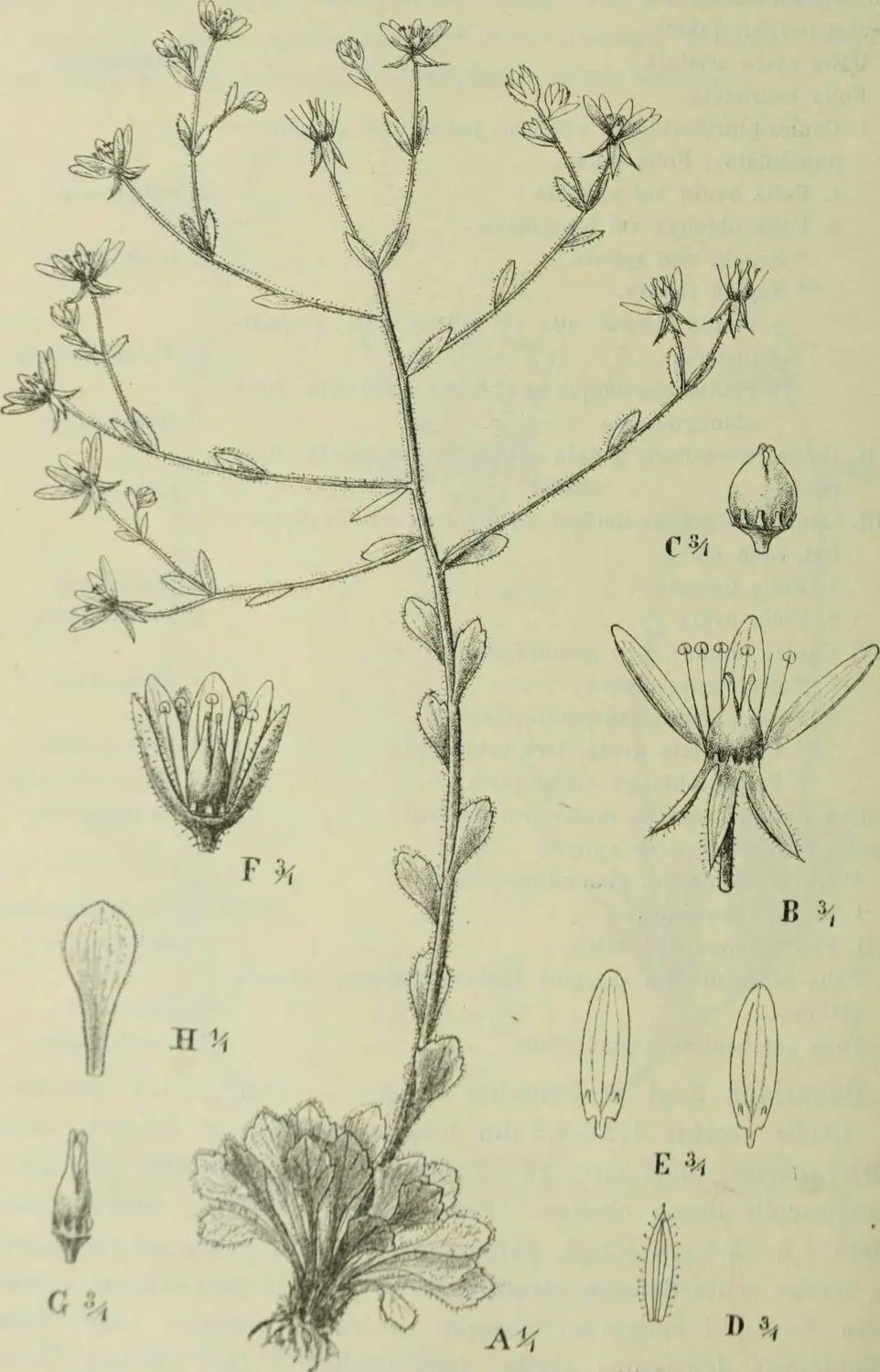
Saxifraga candelabrum: the flowering plant that confirms a 150-year-old hypothesis by Darwin

How does the Venus flytrap detect its prey? A 2025 study sheds light on its ‘sixth sense’

Growing Tillandsia from seed: a comprehensive guide to successful germination

Do Dionisian traps run on electricity?

How carnivorous plants digest their prey

Which plants can you grow on xaxim?