
Terrarium mosses: a guide to a healthy and decorative terrarium
Introduction
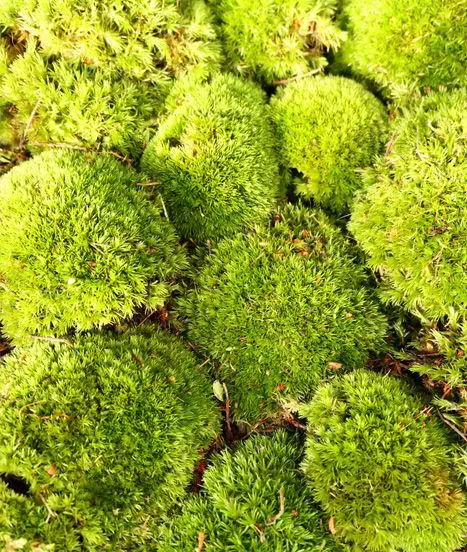
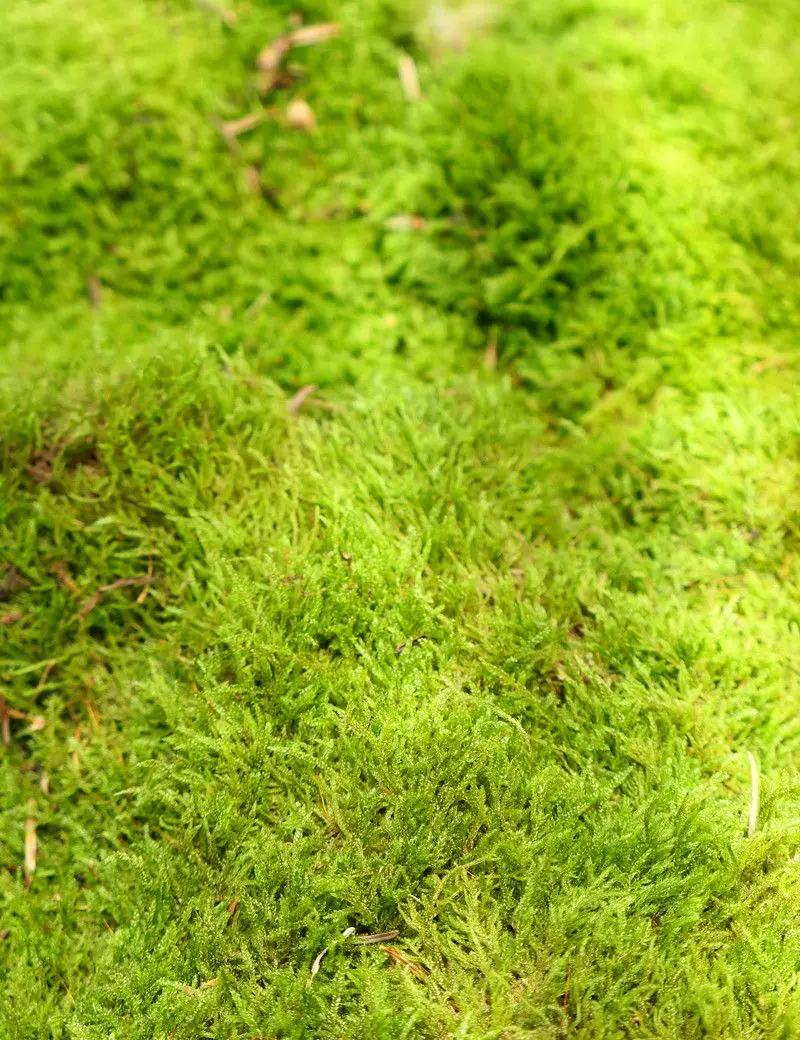
The use of natural mosses in a terrarium offers numerous aesthetic and functional benefits. They add lush greenery, creating a harmonious landscape whilst concealing technical elements. Functionally, mosses regulate humidity, stabilise the substrate and prevent erosion, thereby promoting the growth of other plants. By incorporating natural mosses, you create a balanced and visually pleasing ecosystem, reminiscent of woodlands and forests.
Why use mosses in a terrarium
Using natural mosses in a planted terrarium without animals offers numerous benefits, both aesthetic and functional. Aesthetically, mosses add rich texture and lush greenery that help to create a captivating and harmonious miniature landscape, evoking scenes of woodland or forests.
They also help to conceal the substrate and the technical components of the terrarium, giving it a more natural and integrated appearance.
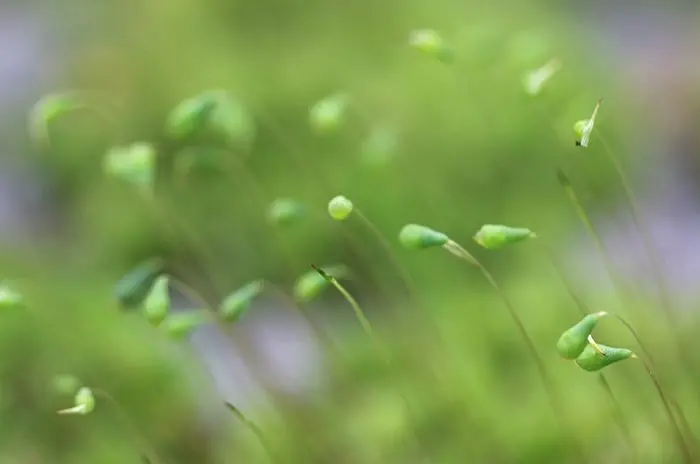
In practical terms, natural mosses play a crucial role in regulating moisture by absorbing and slowly releasing water, which helps to maintain a stable microclimate conducive to the growth of other plants.
Furthermore, they help prevent soil erosion and stabilise the substrate, thereby promoting better root establishment in neighbouring plants.
Benefits of mosses for humidity and the substrate
The use of natural mosses in a vivarium offers numerous benefits for both the environment and its inhabitants. Visually, mosses provide a lush, soothing aesthetic, transforming the vivarium into a natural and attractive space that closely mimics forest habitats. Depending on the species inhabiting the vivarium, mosses help to better recreate the natural habitat of the animals in question; this is particularly true for many reptiles and even more so for amphibians.
They create shaded areas and hiding places for the animals, which is essential for their wellbeing and natural behaviour. Mosses also help to enrich the environment, particularly for the insects that serve as food for your little guests. Crickets and fruit flies will hide amongst the moss, forcing the animals that feed on them to spend time foraging, thereby better replicating their natural behaviour.
Use in kokedama
The use of natural mosses in making kokedama is essential for creating these artistic and living plant sculptures. The mosses envelop the ball of substrate, not only providing an elegant, verdant appearance but also playing a crucial role in retaining moisture.
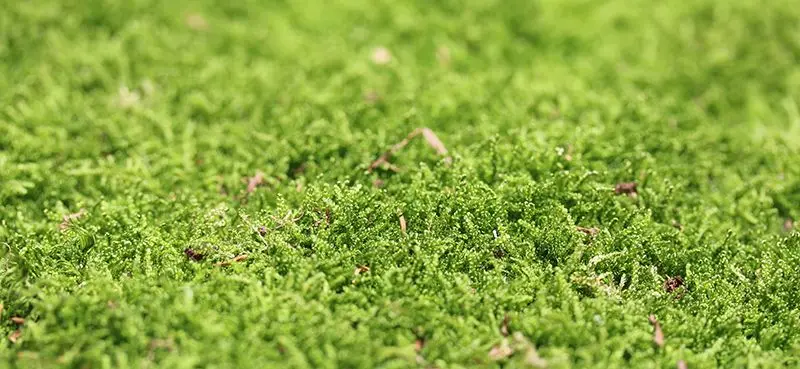
They keep the growing medium moist for longer, thereby reducing the frequency of watering required and creating an optimal environment for the central plant.
Furthermore, natural mosses are porous and allow good air circulation around the roots, thereby promoting healthy growth. Their soft texture and ability to adhere to the growing medium provide a stable structure for the kokedama, making it easier to handle and maintain.
Furthermore, mosses help the kokedama blend harmoniously into various settings, whether indoors or outdoors, adding a touch of nature and serenity to the space.
Mosses for planting xaxim
Xaxim, a tree fern cut into slabs or shaped into pots, is sterilised for health reasons. Whilst it is an ideal medium for the growth of many plants, such as **Neoregelia**s or Ficus pumila quercifolia, if you wish for it to be colonised, you must seed it.
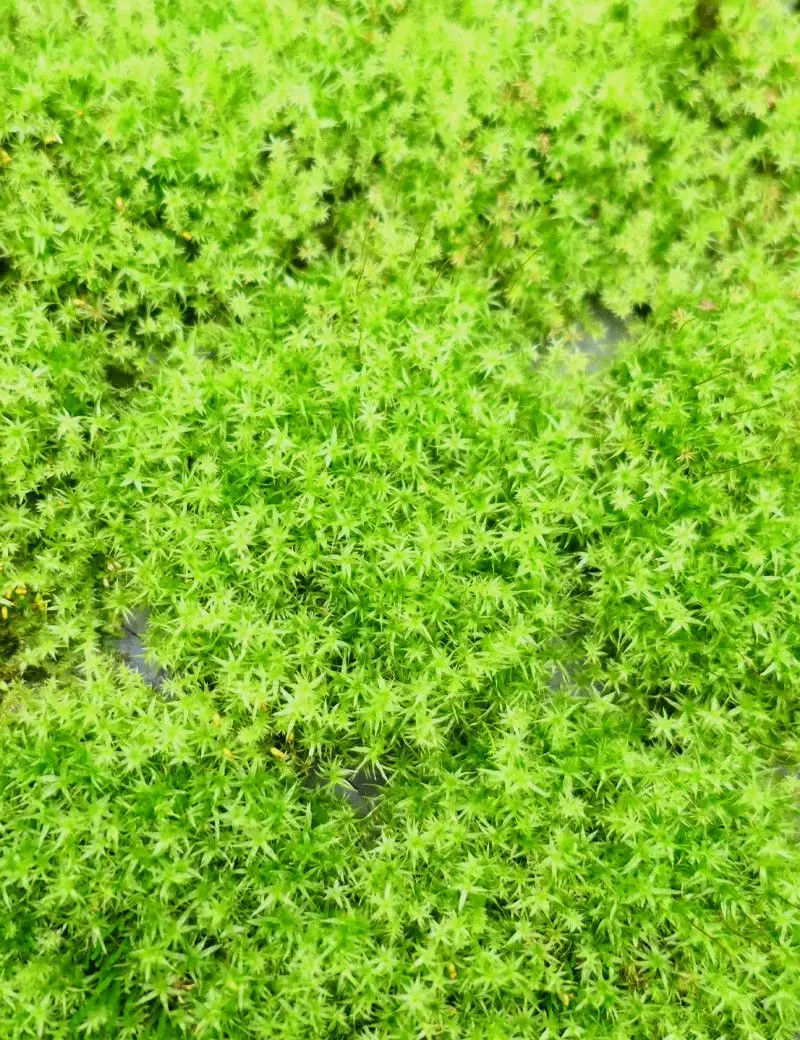
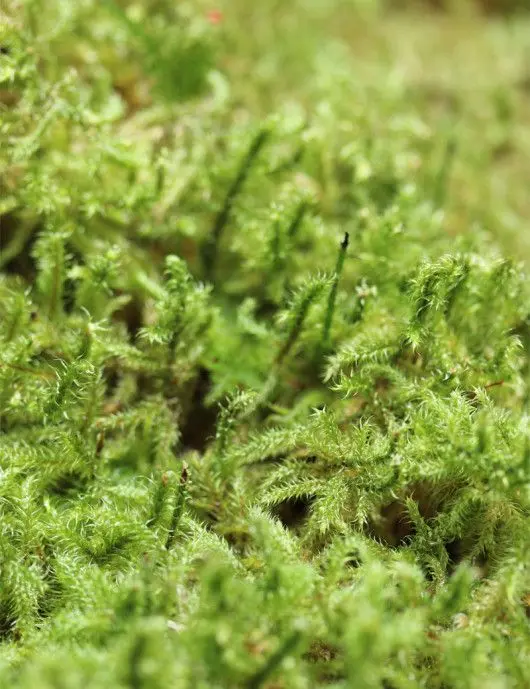
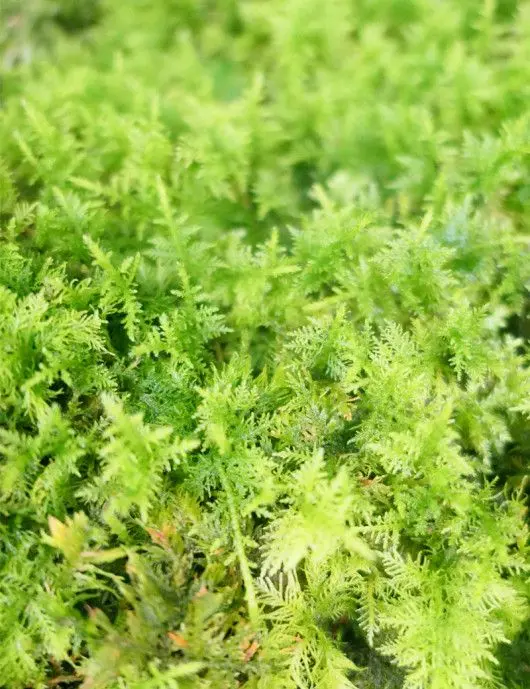
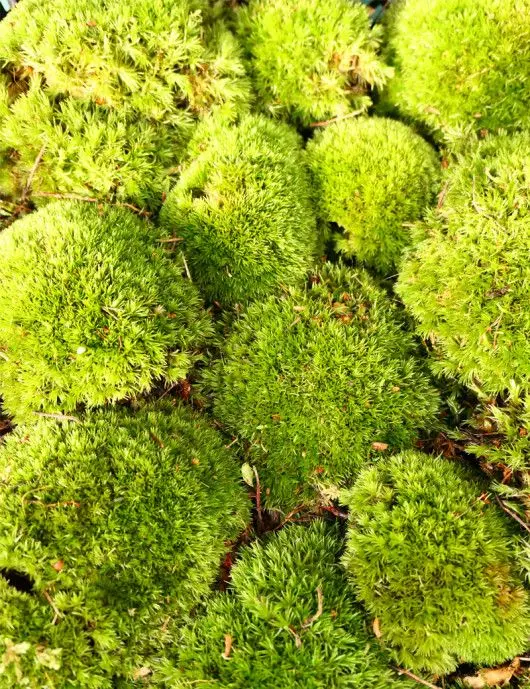
This is where mosses become a valuable ally in achieving your goal. Chopped into small pieces, certain mosses – such as our mini-clumps– are ideal and allow the xaxim to be colonised in just a few months.
Growing tips for mosses in terrariums and vivariums
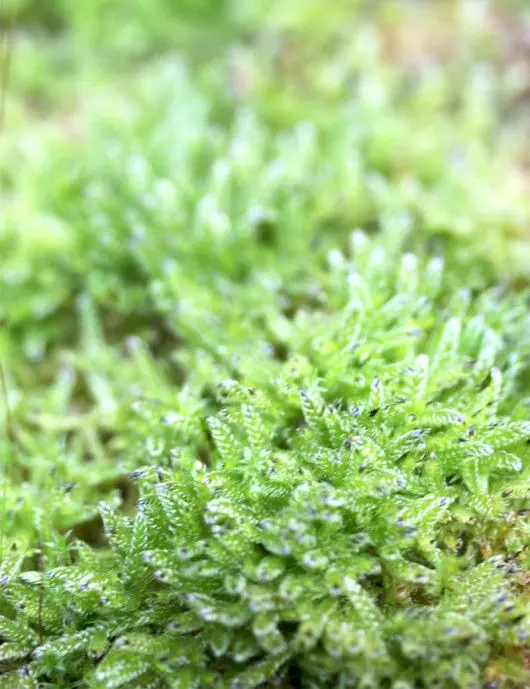
Caring for mosses in a terrarium requires a few specific considerations to ensure their health and optimal growth. Here are some growing tips:
Humidity
Mosses thrive in a humid environment. Maintain a relative humidity of between 60% and 80%. Use a spray bottle to mist the mosses regularly, taking care not to saturate them with water.
Light
Mosses prefer indirect, filtered light. Place the terrarium in a spot where it receives filtered natural light or use LED lamps suitable for plants, taking care to avoid direct sunlight, which can scorch the mosses.
Substrate
Use a well-drained substrate suitable for mosses, such as a mixture of potting compost and sand, or a layer of coconut fibre. Ensure the substrate remains moist but not waterlogged, to prevent the growth of mould.
Ventilation
Although mosses thrive in humid conditions, they also need good air circulation to prevent mould. Air the terrarium from time to time by opening the lid for a few hours.
Temperature
Maintain a moderate temperature, between 10°C and 28°C. Extreme temperature fluctuations can stress the mosses and inhibit their growth more than temporarily higher or lower temperatures.
Cleaning
Regularly remove debris and dead leaves from the terrarium to prevent decomposition. You can also trim the mosses to encourage denser, more uniform growth.
Conclusion
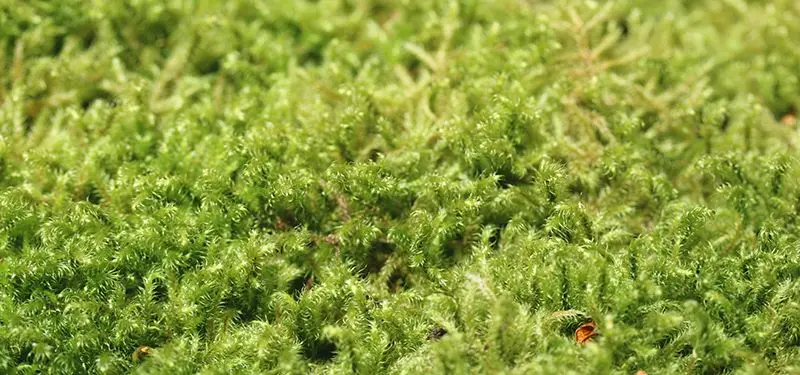
These mosses literally transform your terrarium — regulating humidity, providing a stable substrate and creating a natural atmosphere… To take it a step further, find out how to create your own planted terrarium and choose the right plants.
By following the right growing tips, you can ensure they grow healthily and enjoy all they have to offer.
To find out more about plants suitable for terrariums, see our guide How to create a planted terrarium.
Sphagnum moss is often used — see our article on carnivorous plants: general information and substrates.
FAQ — Using foam in terrariums
Why is foam used in a terrarium?
The moss acts as a substrate or base layer that retains moisture, stabilises the environment, and provides a natural backdrop for the plants or species housed there.
What characteristics should foam have for a terrarium?
It must be able to retain moisture without rotting, be lightweight and breathable, and provide good drainage or maintain a balanced humidity level in the terrarium.
How do you prepare the moss before adding it to a terrarium?
The moss must be cleaned — removing debris, dead roots or impurities — and, if necessary, disinfected or rinsed to remove unwanted parasites or spores.
How do you arrange the foam in the terrarium to achieve the best result?
A drainage layer (gravel, clay pellets, etc.) is laid, then the moss is spread evenly or according to the design, ensuring that it is in contact with moisture without being waterlogged.
What are the risks or mistakes to avoid when using foam in a terrarium?
- Excessive moisture can lead to rot or the growth of mould.
- Improperly prepared or contaminated moss can introduce parasites or unwanted organisms.
- Poor drainage or an imbalance in humidity levels can harm the plants or animals in the terrarium.
What benefits can you expect from a terrarium where moss is used effectively?
A stable micro-ecosystem: balanced humidity, a natural substrate for plants or animals, aesthetic appeal, and the maintenance of a favourable climate without excessive upkeep.
Sources and references
Our experience :)
British Bryological Society
: Learning about bryophytes
https://www.britishbryologicalsociety.org.uk/learning/
For sale in the Karnivores shop
Love Growing guide & tips? Don't miss our plants and exclusive offers in the online shop.
Read next
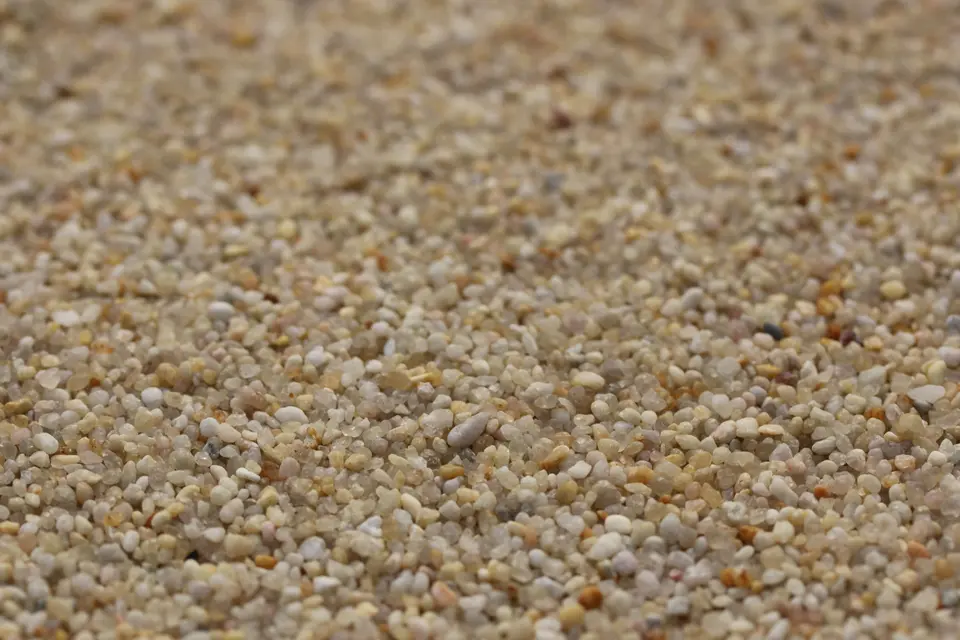
Quartz sand for carnivorous plants: what is it used for and how do you use it?
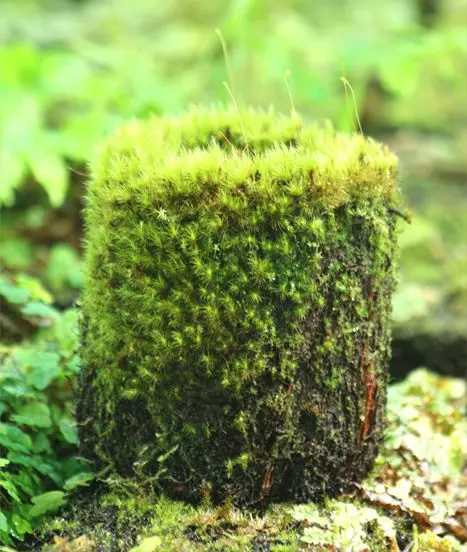
How to care for and maintain xaxim in a terrarium and a tropical greenhouse
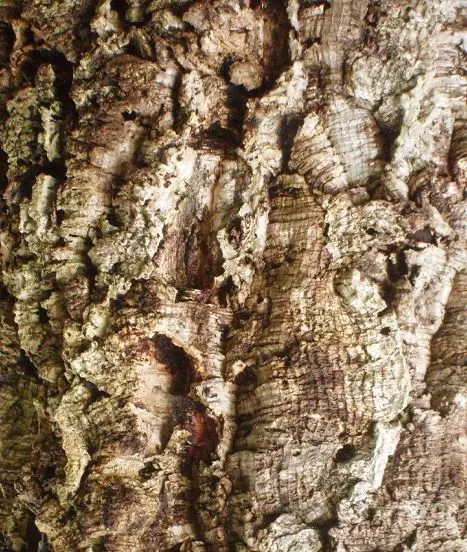
Cork oak bark: an ideal natural substrate for epiphytic plants and terrariums

Free delivery on orders of €59 or more until midnight on Sunday
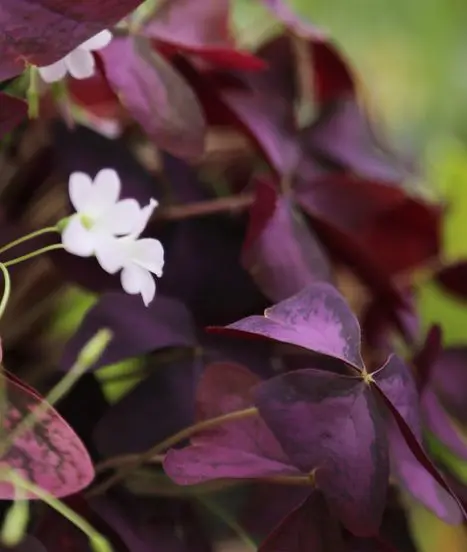
Oxalis triangularis: growing, care and tips
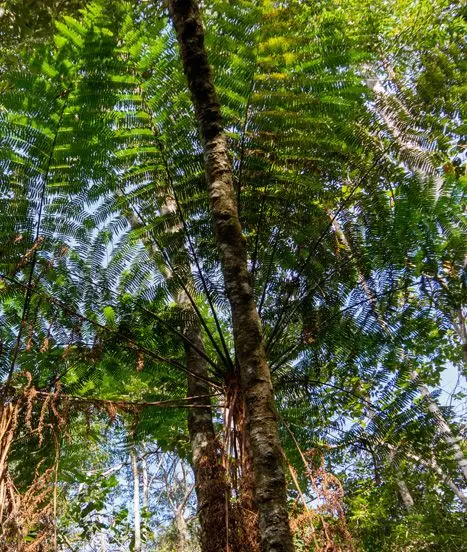
Dicksonia sellowiana: an iconic tree fern of the xaxim