
Seeds of carnivorous plants: how to choose them to ensure successful sowing
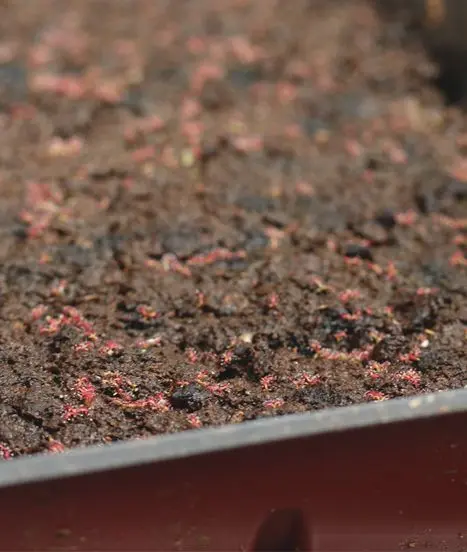
Choosing high-quality carnivorous plant seeds is a crucial step in ensuring successful germination. Even with the right method, a suitable growing medium and optimal growing conditions, seeds that are too old or have been stored incorrectly are unlikely to germinate. Before sowing, it is therefore essential to understand how to recognise good seeds and what criteria to consider when buying them.
In this article, you’ll discover how to choose carnivorous plant seeds wisely, avoid the most common mistakes and maximise your chances of germination right from the start.
Why choosing the right seeds is so important
Carnivorous plants often produce very fine seeds, sometimes almost invisible, whose viability can decline rapidly. The germination rate depends directly on several factors such as the freshness of the seeds, how they have been stored, the species in question and, for some plants, the need for prior stratification.
Poor-quality seeds can give the impression that the sowing method is at fault, when the problem actually lies simply with the starting material. Choosing your seeds carefully therefore helps you avoid weeks of unnecessary waiting and significantly increases your chances of success.
Fresh seeds and old seeds: what you need to know
Freshness is one of the most important criteria when choosing seeds for carnivorous plants. Recently harvested seeds retain a much higher germination rate, particularly in temperate species.
Fresh seeds generally germinate more quickly and more consistently. Conversely, old seeds may take much longer to sprout, or may never germinate at all. Some species, particularly within the Drosera genus, retain good viability for several years, but this is not a universal rule and depends heavily on storage conditions.
When the age of the seeds is not specified, it is always best to err on the side of caution, especially if the aim is to successfully sow carnivorous plants without having to repeat the process several times.
Germination rate: a key factor to consider when buying
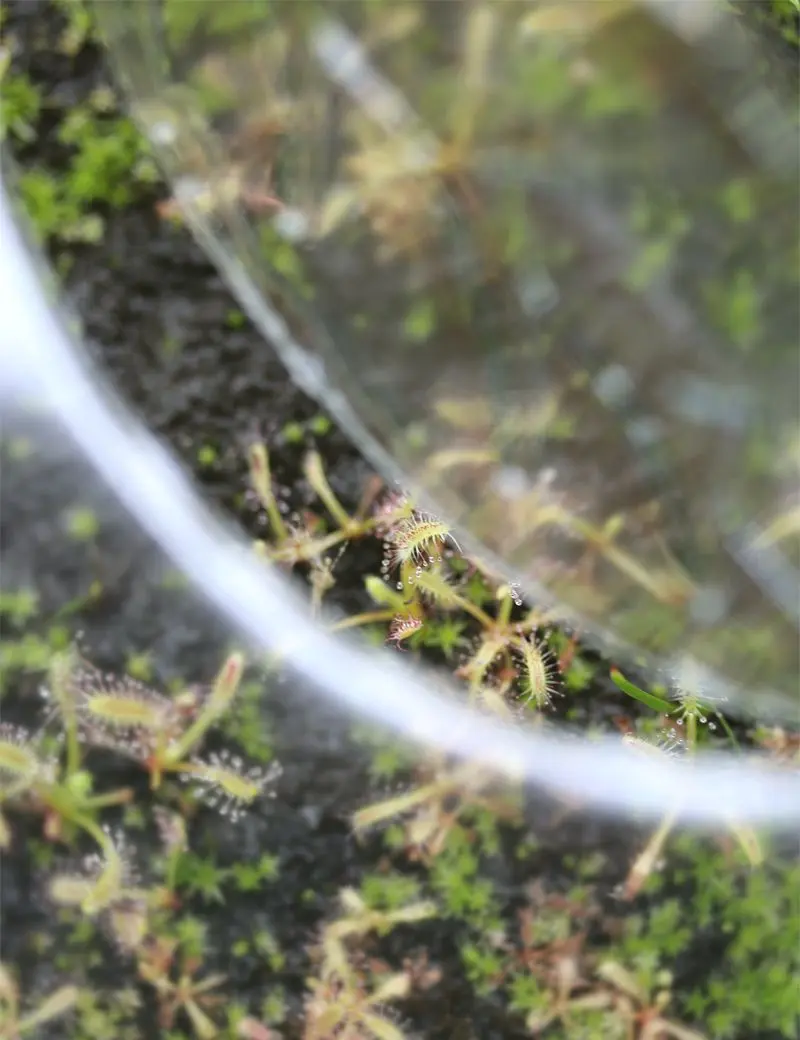
The germination rate is the percentage of seeds likely to germinate under favourable conditions. When specified, it provides valuable information for assessing the quality of a batch of seeds and adjusting your expectations before sowing.
It is important to bear in mind that this rate is always theoretical. It can vary depending on numerous factors such as the sowing method, temperature, humidity, light or the duration of stratification. Two growers using the same seeds may achieve very different results.
Despite this variability, having an estimate of the germination rate makes it easier to anticipate the number of seedlings expected and to adjust the quantity of seeds sown, particularly for species with slow or irregular germination.
How to recognise good-quality seeds
Although some carnivorous plant seeds are extremely small, it is possible to look for certain visual clues. Good-quality seeds generally have a well-defined shape and a uniform colour, with no signs of mould or crushing.
Labelling also plays an important role. The inclusion of the precise name of the species – or even the subspecies or cultivar – as well as the year of harvest, is often a good indicator of the reliability of the source. A complete lack of information should prompt caution.
Which species are best for beginners?
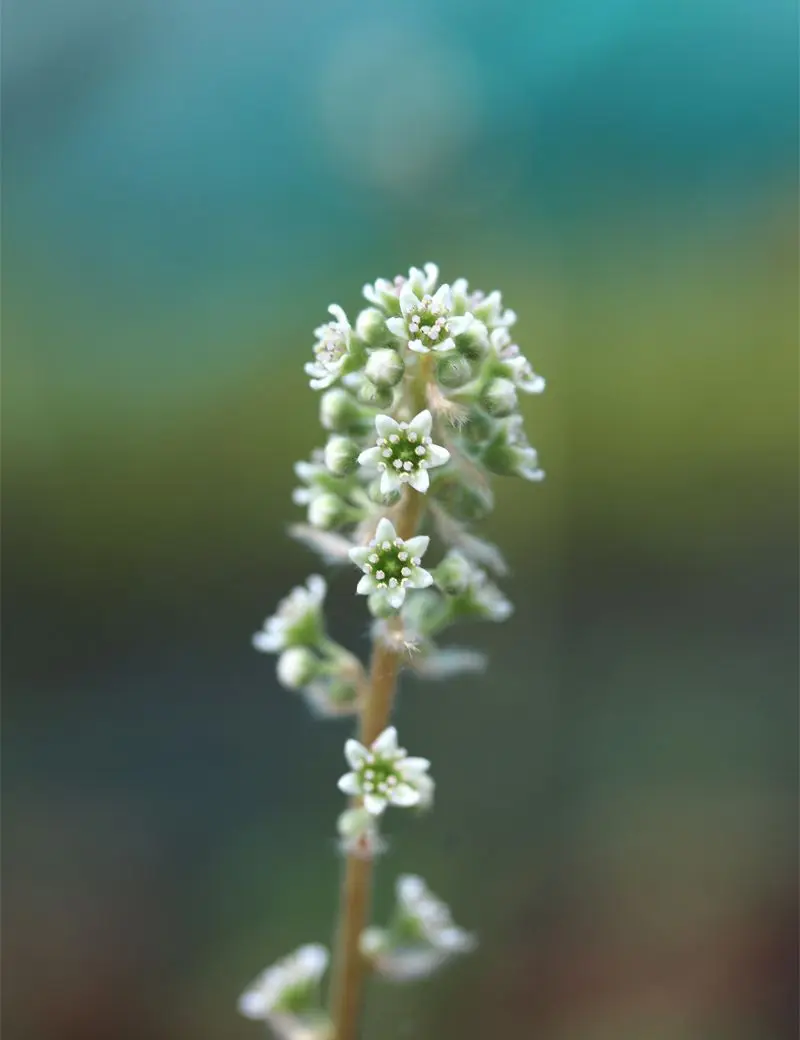
Not all carnivorous plants are equally difficult to grow from seed. Some species are more tolerant and have more consistent germination rates, making them good choices for beginners.
Tropical Droseras are often recommended for beginners, as their seeds germinate relatively easily and quickly. Sarracenias and Dionaeas are also accessible, but require more patience and usually need cold stratification to break seed dormancy.
Starting with species known to be easier allows you to familiarise yourself with sowing techniques before tackling more demanding plants.
Do the seeds need to be prepared before sowing?
Some carnivorous plant seeds require specific preparation before sowing. Cold stratification is essential for many temperate species, as it replicates the natural winter conditions necessary to trigger germination.
Other seeds can be sown straight away upon receipt, provided they are fresh and placed in suitable growing conditions. It is therefore essential to know the specific requirements of each species before proceeding to the sowing stage.
Conclusion
Choosing the right seeds is the first step towards successfully growing carnivorous plants from seed. Freshness, species and germination rate directly influence the results obtained. Once these factors have been taken into account, it is essential to use a suitable method for sowing carnivorous plants, whilst ensuring the conditions necessary for optimal germination are met.
FAQ – Carnivorous plant seeds
Do the seeds of carnivorous plants have a limited lifespan?
Yes. Most seeds from carnivorous plants gradually lose their ability to germinate over time. Fresh seeds generally produce better results, particularly in temperate species such as Sarracenia or Dionaea. Some seeds, particularly those of Drosera, can remain viable for longer if stored correctly.
How can you tell if the seeds of carnivorous plants are still viable?
There is no method that is 100 per cent reliable without sowing the seeds. However, the year of harvest, the general appearance of the seeds and the information provided on the germination rate give a good indication of their potential viability.
Is the stated germination rate guaranteed?
No. The germination rate is an estimate based on ideal conditions. Results may vary depending on the sowing method, temperature, humidity, light and whether the seeds have been stratified.
Do all carnivorous plant seeds require stratification?
No. Cold stratification is mainly required for temperate species such as Sarracenia and Dionaea. Many tropical species, particularly certain Drosera, can be sown directly without any special preparation.
How many seeds do you need to sow to get seedlings?
This depends on the germination rate and the species. Generally speaking, it is advisable to sow several seeds to compensate for natural losses and uneven germination, particularly when the germination rate is unknown.
Do the seeds of carnivorous plants germinate quickly?
The rate of germination varies greatly depending on the species. Some seeds can germinate within a few weeks, whilst others take several months, particularly after a period of stratification.
For sale in the Karnivores shop
Love Growing guide & tips? Don't miss our plants and exclusive offers in the online shop.
Read next
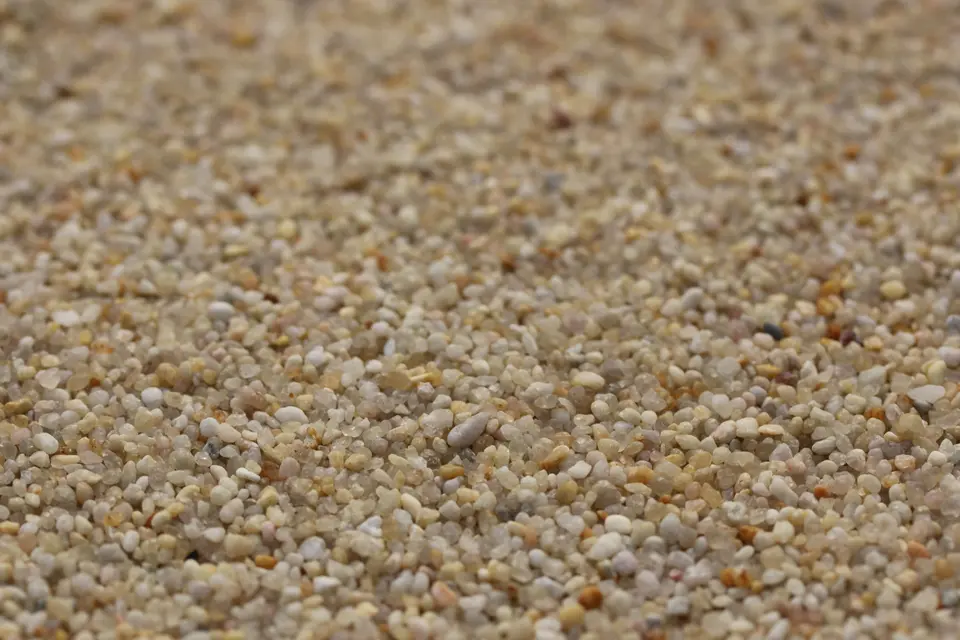
Quartz sand for carnivorous plants: what is it used for and how do you use it?
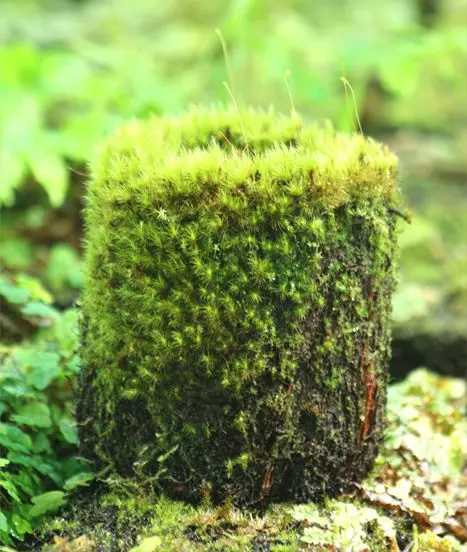
How to care for and maintain xaxim in a terrarium and a tropical greenhouse
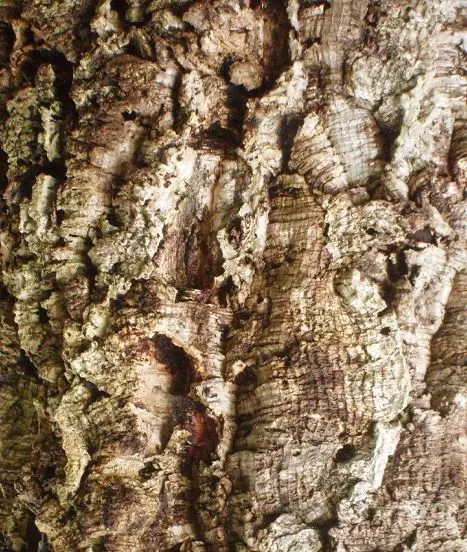
Cork oak bark: an ideal natural substrate for epiphytic plants and terrariums

Free delivery on orders of €59 or more until midnight on Sunday
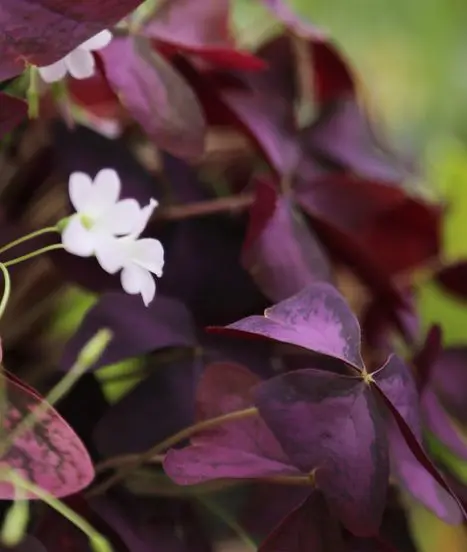
Oxalis triangularis: growing, care and tips
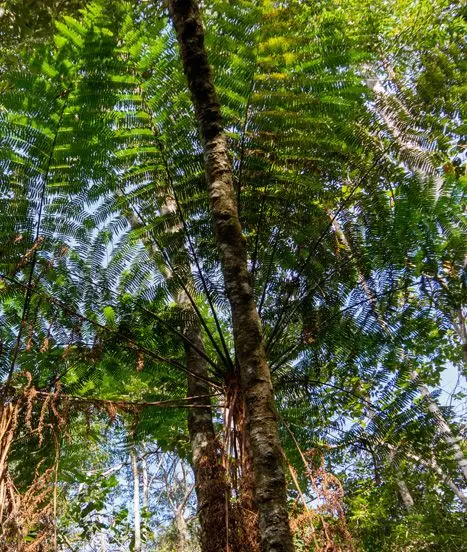
Dicksonia sellowiana: an iconic tree fern of the xaxim