
Pinguicula and its hunting strategy
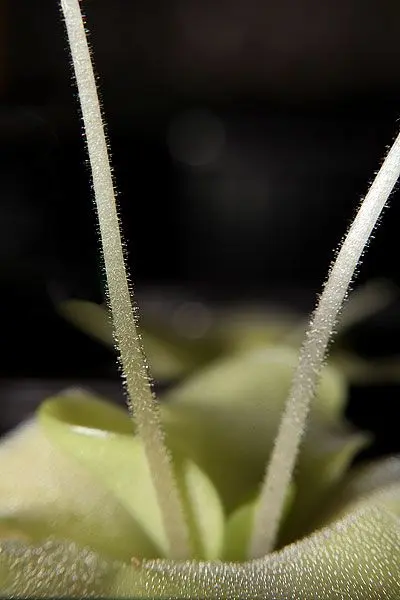
We have recently observed that **Pinguicula**s develop sticky hairs at the centre of their flowers.
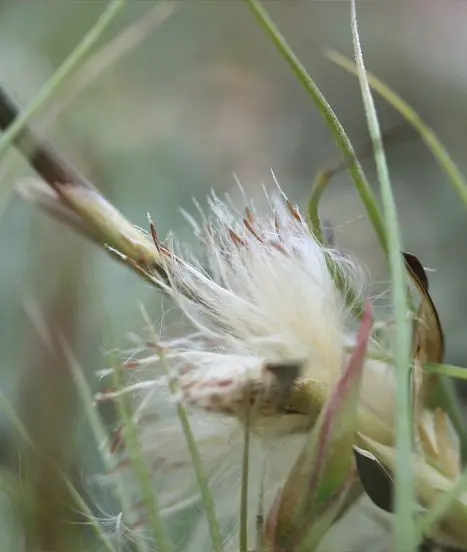
Where there are flowers, there must be flower stalks to support them. It would be a shame to waste this surface area, especially as it is obviously very prominent – far more so than the leaves, which sit close to the ground. In the photo opposite, you can clearly see that they are covered in sticky hairs, designed to catch passing dipterans ‘on the fly’.
However, the hairs are small and weak, too weak to hold prey upright. By observing the behaviour of the captured insects, we can see that their struggling movements allow them to move downwards, and thus… right down to the sticky leaves, right at the heart of the rosette, from where escape is impossible! This is how certain carnivorous plants use their inflorescences. As this part of the plant serves merely as a support for the reproductive organs—the flowers—its role in carnivory is, once again, ‘clever’!
For sale in the Karnivores shop
Love Carnivorous plants? Don't miss our plants and exclusive offers in the online shop.
Read next
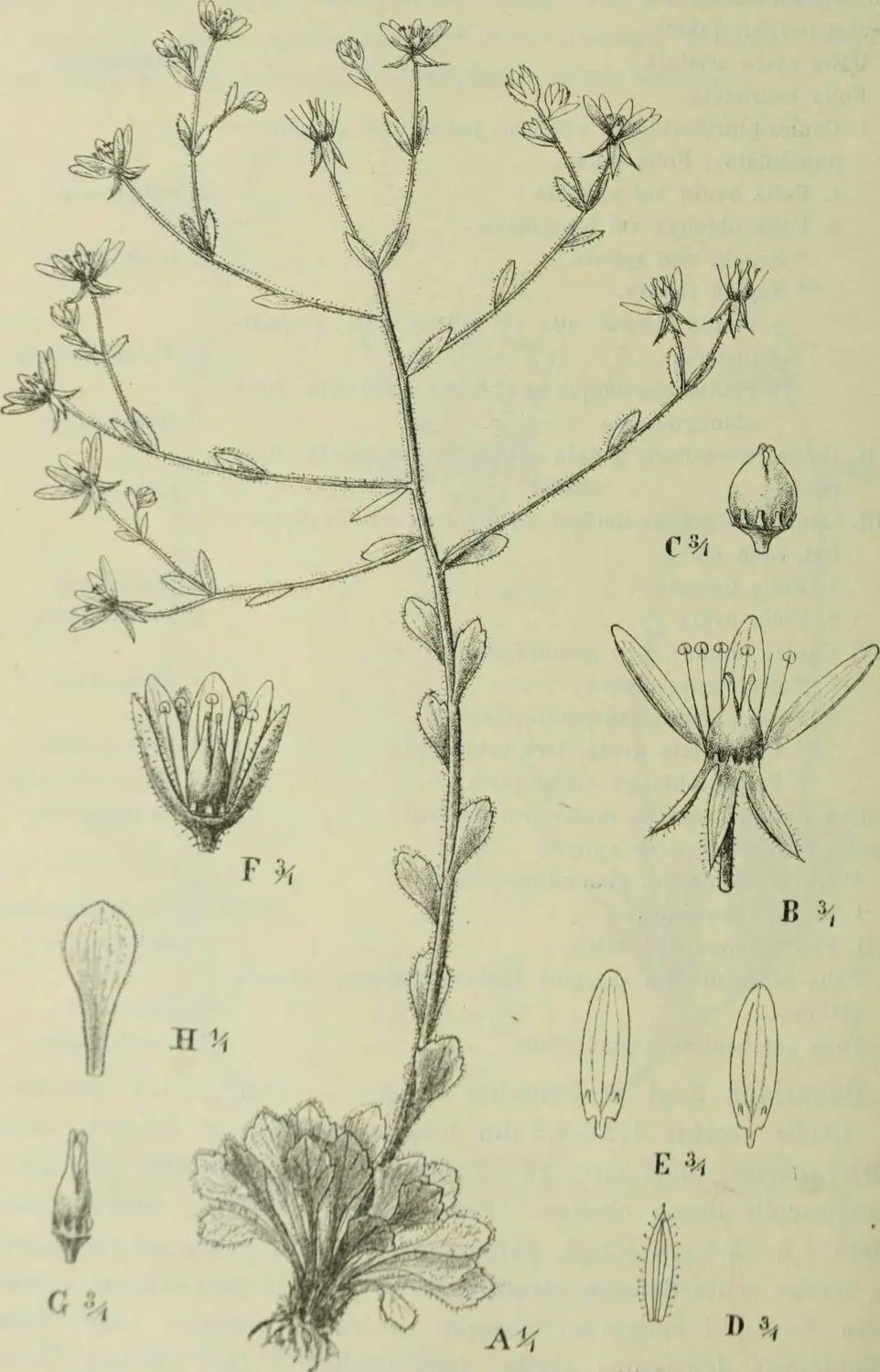
Saxifraga candelabrum: the flowering plant that confirms a 150-year-old hypothesis by Darwin
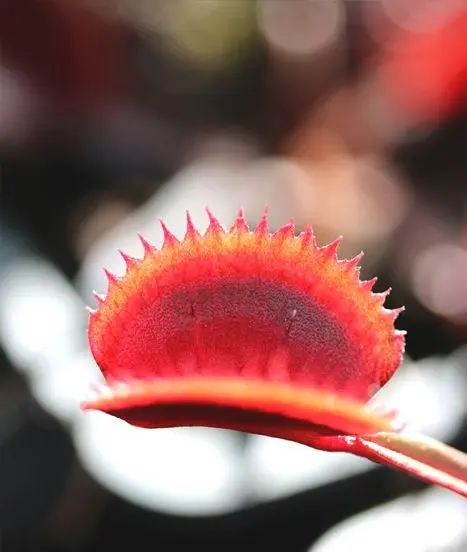
How does the Venus flytrap detect its prey? A 2025 study sheds light on its ‘sixth sense’
Growing Tillandsia from seed: a comprehensive guide to successful germination
Do Dionisian traps run on electricity?
How carnivorous plants digest their prey
Which plants can you grow on xaxim?