
Observation: contents of a Sarracenia pitcher
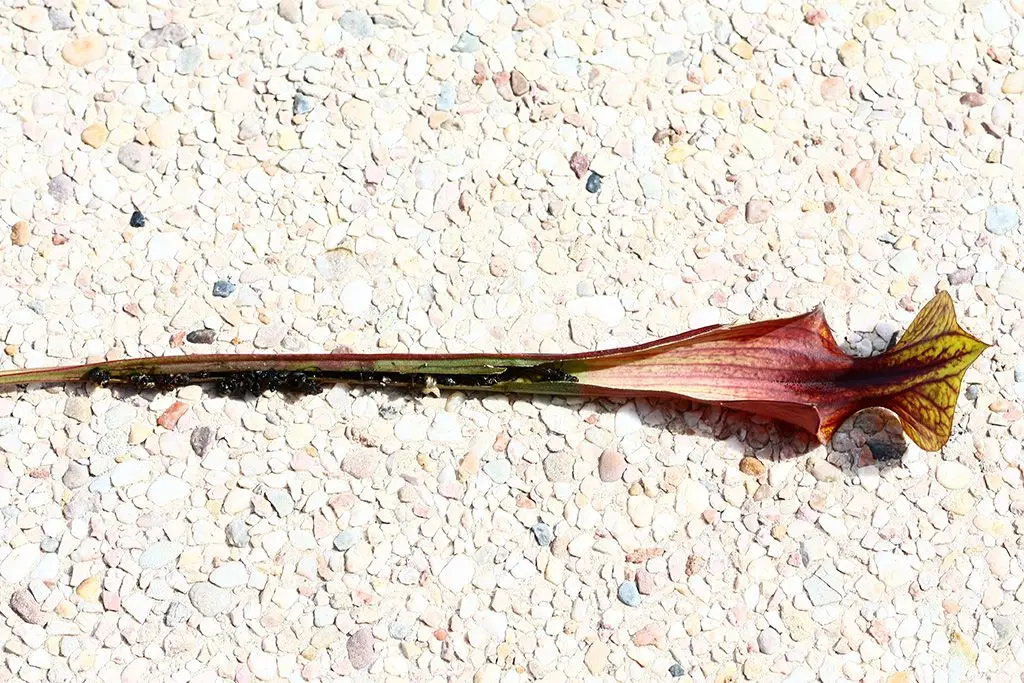
Sarracenia’s traps are large pitchers that can hold several hundred insects, most of which are flying insects. This pitcher had begun to rot due to an excess of organic matter – what might colloquially be called ‘indigestion’.
This small pitcher of Sarracenia flava var. rubricorpora contains around 80 per cent flies, with the remainder consisting of small moths, wasps and worms. The latter probably developed within the bodies of the insects already present. Identifying them becomes increasingly difficult the deeper one goes into the trap.
A wasp is clearly visible at the very bottom of the pitcher: its chitin (the exoskeleton specific to insects) is thicker than that of flies and is difficult for carnivorous plants to digest, making the wasp easily identifiable.
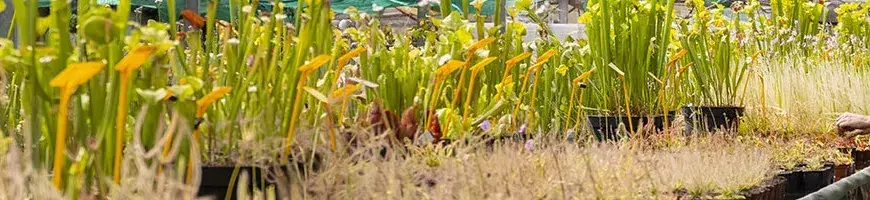
For sale in the Karnivores shop
Love Carnivorous plants? Don't miss our plants and exclusive offers in the online shop.
Read next
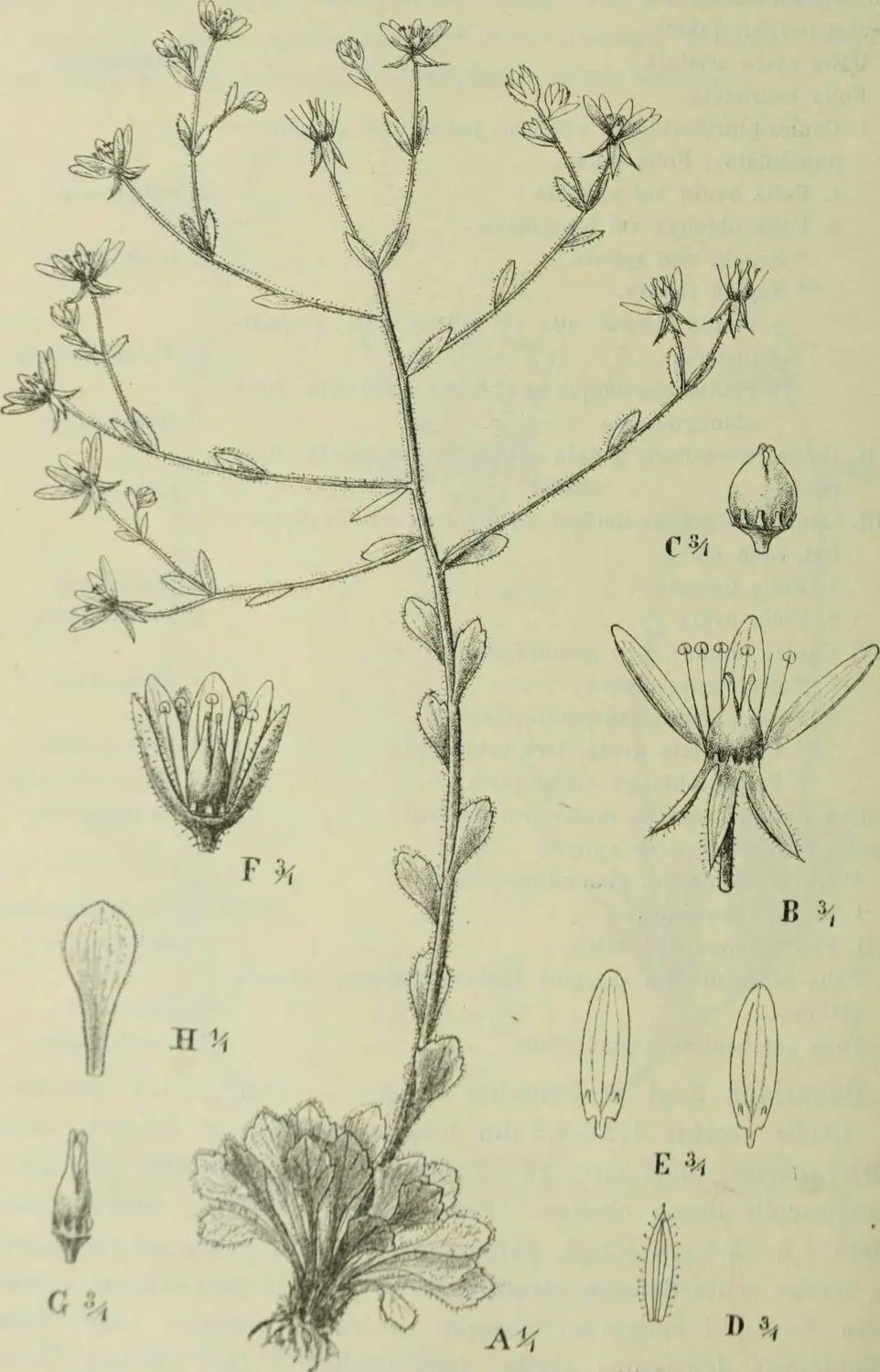
Saxifraga candelabrum: the flowering plant that confirms a 150-year-old hypothesis by Darwin
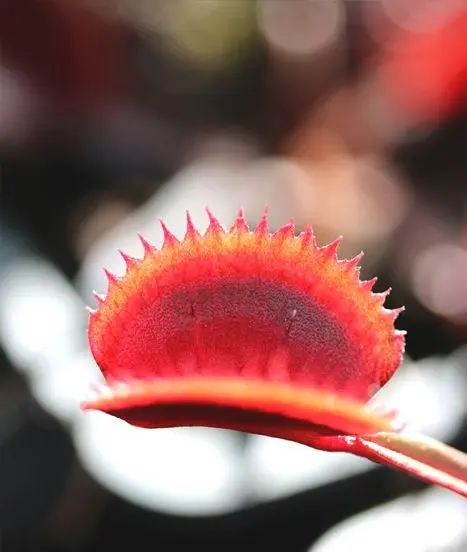
How does the Venus flytrap detect its prey? A 2025 study sheds light on its ‘sixth sense’
Growing Tillandsia from seed: a comprehensive guide to successful germination
Do Dionisian traps run on electricity?
How carnivorous plants digest their prey
Which plants can you grow on xaxim?