
Mini clumps of carnivorous plants
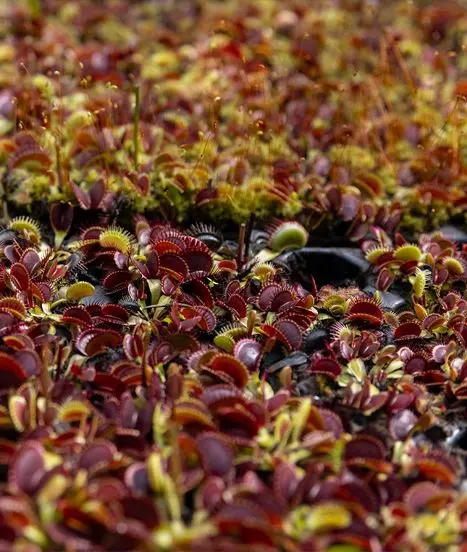
Starting or expanding your collection of carnivorous plants is now easier than ever thanks to mini-pots. These young plants, which we now offer in large numbers, are perfect for gardeners who want to watch their specimens grow. Here’s how to get started and successfully grow these little wonders, drawing on best practice.
1. What is a mini-plant?
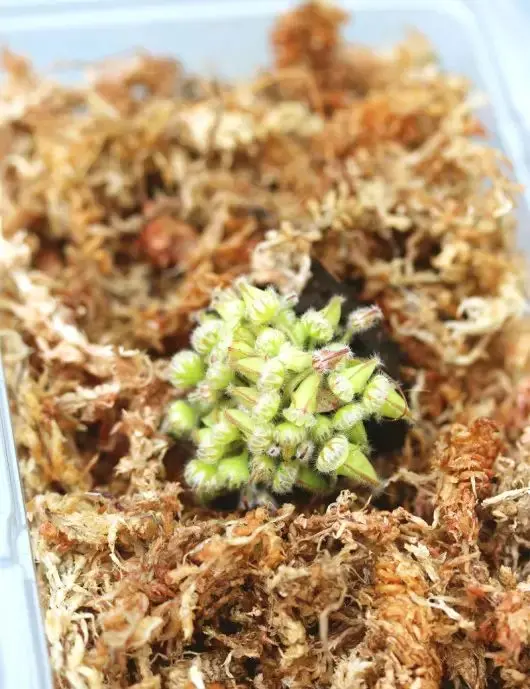
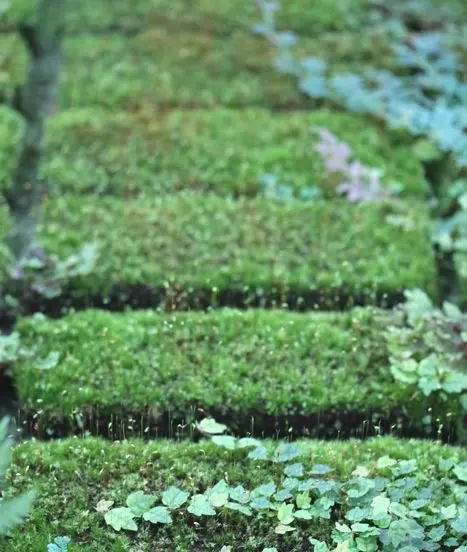
Mini-pots are young carnivorous plants, produced through vegetative propagation (cuttings, division) or from seed. They are grown in a small volume of growing medium on trays, usually containing around a hundred specimens, and are ready to be transplanted as soon as they arrive at your home.
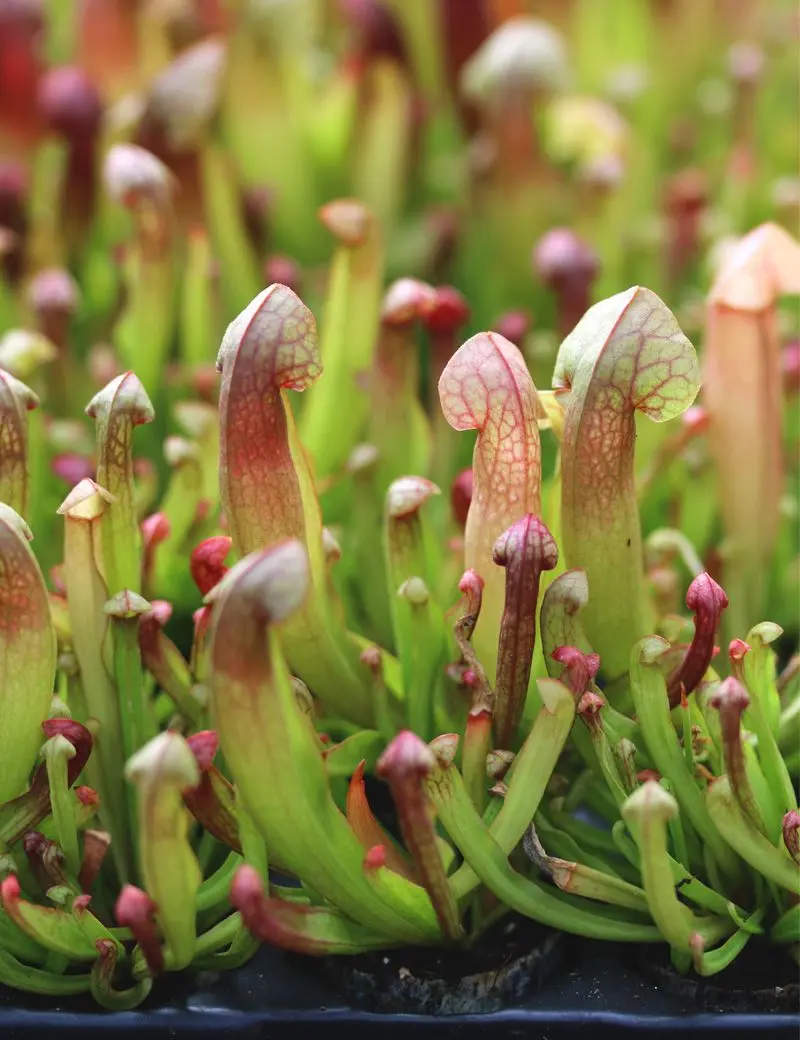
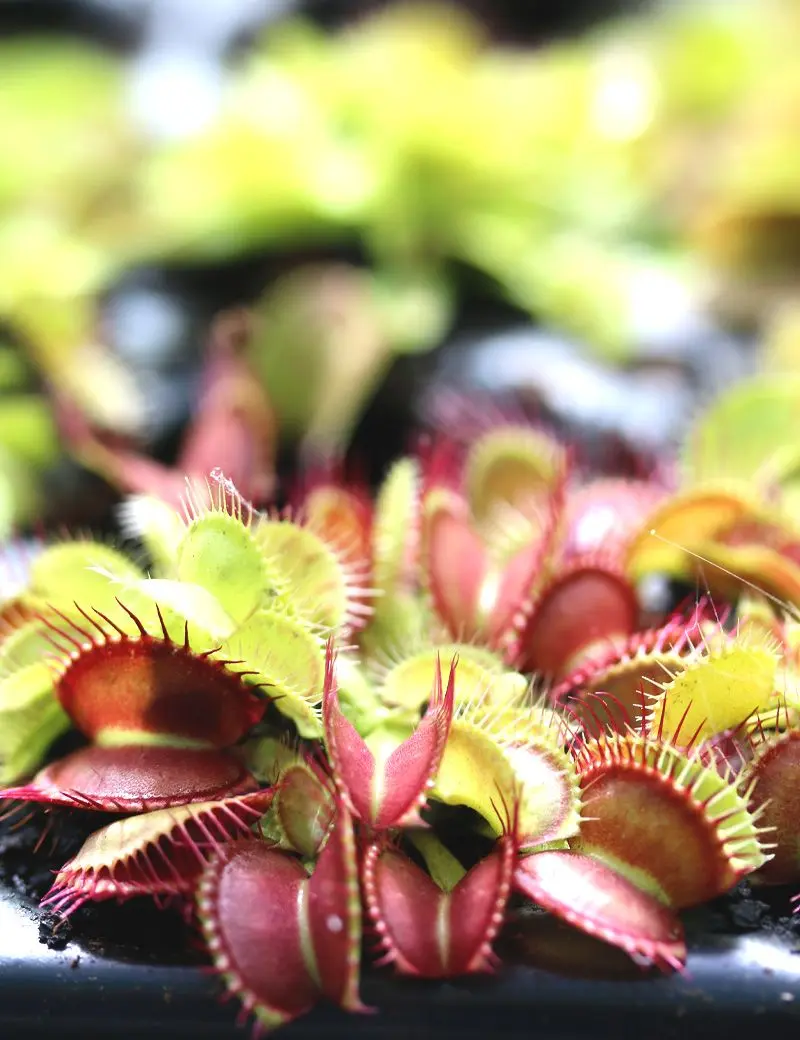
This format allows us to offer a wide selection of species such as Dionaea (flytraps), Sarracenia or Pinguicula (butterworts). Each mini-plug contains a rooted plant that has been carefully cultivated to ensure optimal growth after repotting.
2. Benefits: A clever and practical purchase
Choosing mini-plants offers several advantages for enthusiasts. It is an affordable way to access specific varieties or interesting hybrids, allowing you to experiment with new species without a significant investment. For those with a passion for botanical curiosities, it is the ideal opportunity to observe and understand the plant’s entire growth cycle, from its early stages right through to maturity.
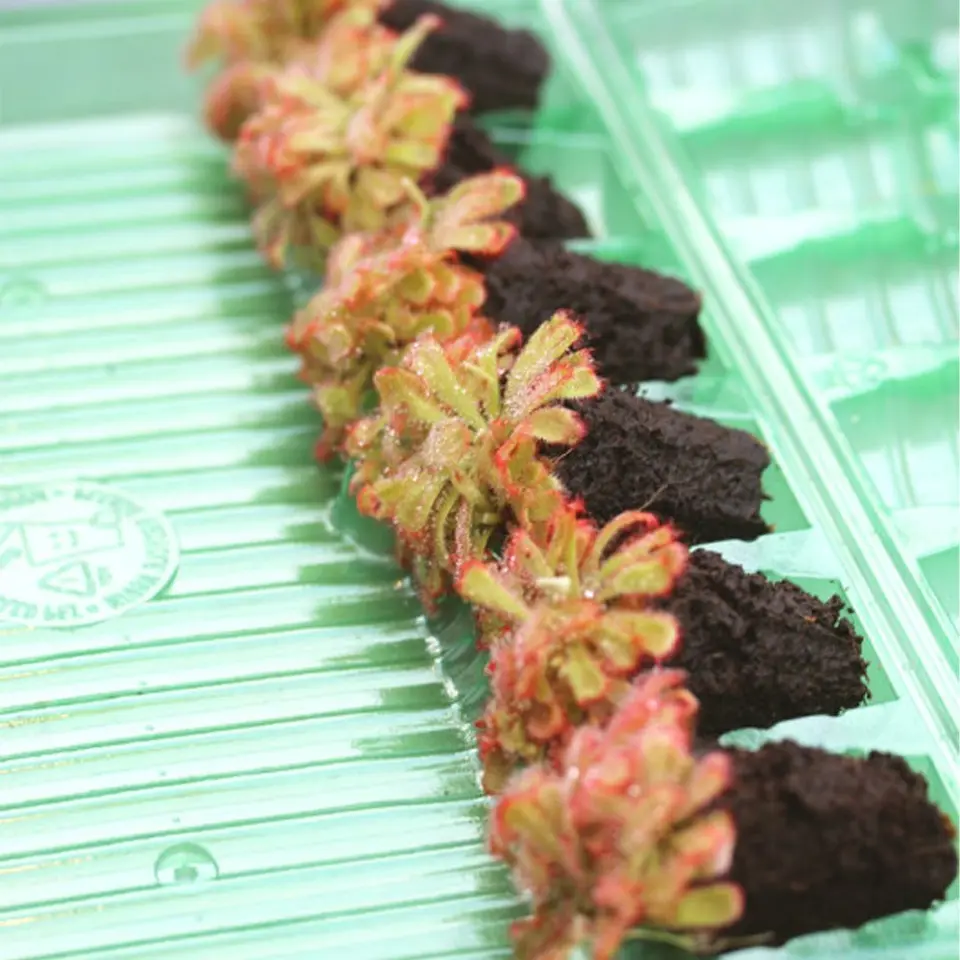
3. Successfully transplanting the mini-root ball
The key to success lies in repotting immediately upon receipt. This process is simple, but must adhere to the strict rules of carnivorous plant cultivation:
- Substrate: Use only substrates suitable for carnivorous plants. We recommend using the Carnivorous Plant Mix (comprising blond peat and perlite/vermiculite) available on Karnivores.com, or preparing your own mix using blond peat and perlite or vermiculite, available in the Materials & Substrats section.
- Rempotage: Prepare your final pot with the new growing medium, thoroughly moistened with rainwater or demineralised water. When transferring the plant, gently remove the mini root ball and place it in its new container without breaking up the original small root ball. For small varieties, consider using 9 cm round pots or mini greenhouses to provide a protected start.
- Watering: After repotting, water via the saucer using demineralised water.
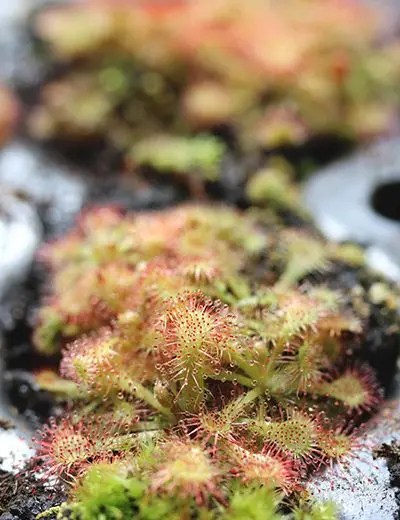
Conclusion: Growth in your hands
Mini pots are an excellent way to build or expand your collection of carnivorous plants flexibly and cost-effectively. With the right growing medium and prompt care when repotting, you can ensure these young plants get off to a vigorous start and enjoy promising growth.
Tip: The importance of a large pot for Sarracenia
If your mini-plant is a Sarracenia, even if it’s small to begin with, make sure you choose a pot that’s big enough. Sarracenia develop large rhizomes and need plenty of depth. Opt for a wide, deep pot (such as a round pot of 11 cm or more) when repotting to minimise the need for future repotting and ensure good temperature regulation during winter dormancy.
For sale in the Karnivores shop
Love Carnivorous plants? Don't miss our plants and exclusive offers in the online shop.
Read next
Saxifraga candelabrum: the flowering plant that confirms a 150-year-old hypothesis by Darwin
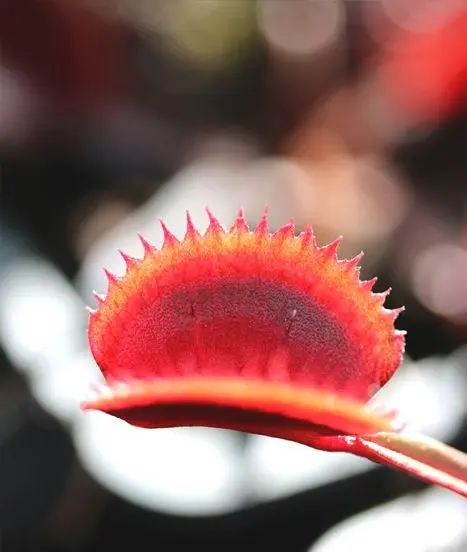
How does the Venus flytrap detect its prey? A 2025 study sheds light on its ‘sixth sense’
Growing Tillandsia from seed: a comprehensive guide to successful germination
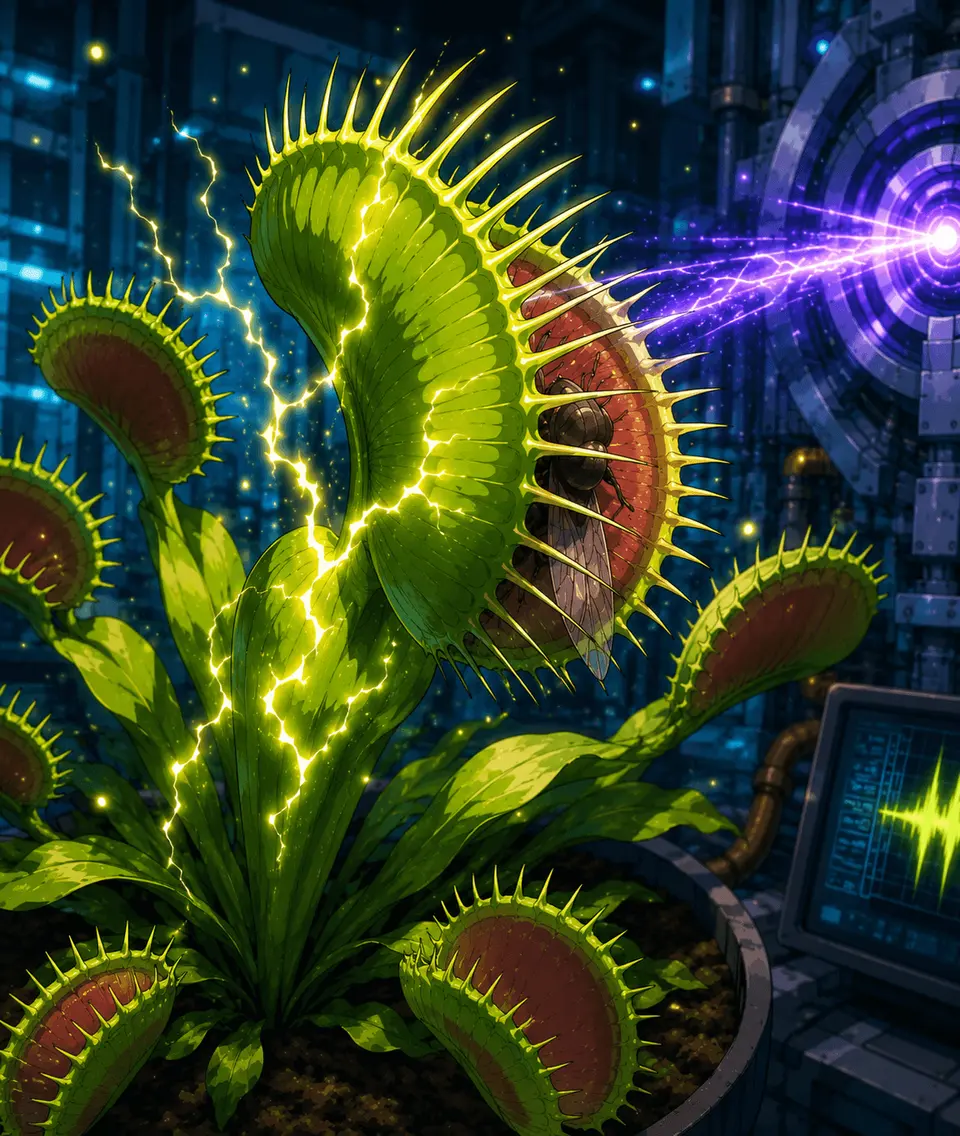
Do Dionisian traps run on electricity?
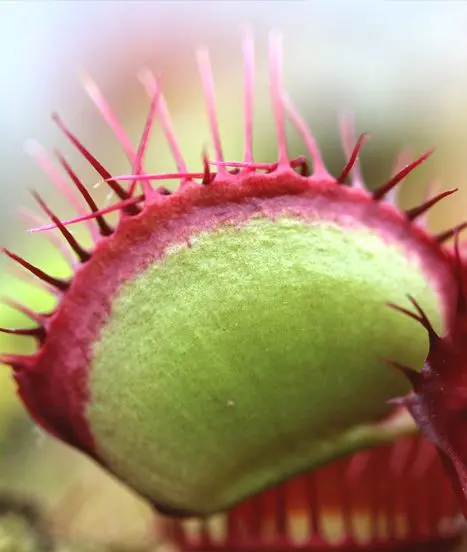
How carnivorous plants digest their prey
Which plants can you grow on xaxim?