
In a Venus flytrap
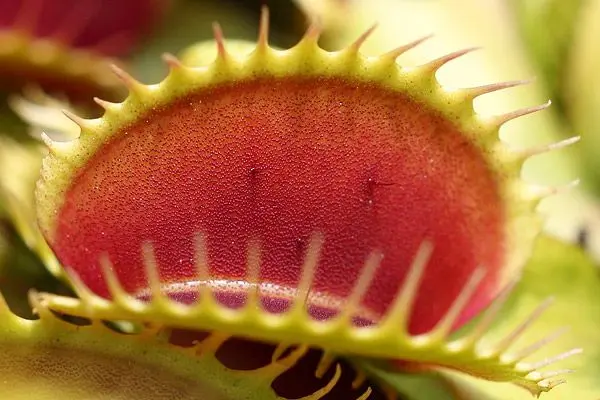
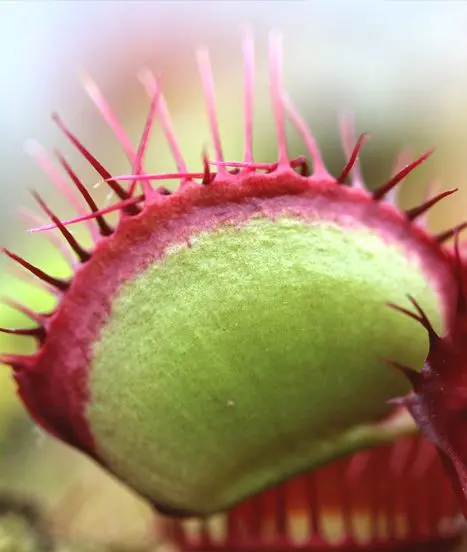
At this time of year, the Venus flytraps’ traps are large and wide open, giving you the chance to peer inside safely and admire them up close!
It’s quite easy to spot the trap hairs, of which there are six per trap (sometimes more). On closer inspection, you can also make out a multitude of tiny pigmented dots covering each lobe.
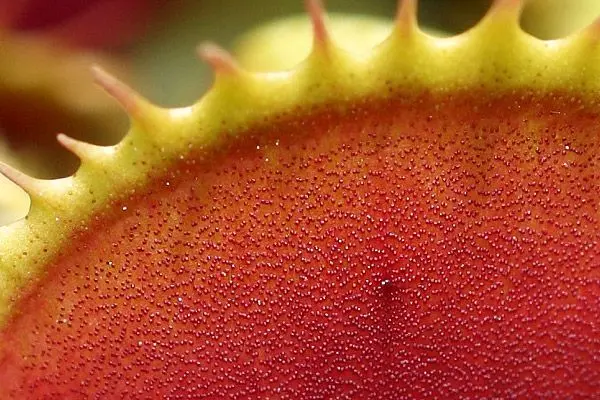
These are the digestive glands, which line the surface of the digestive cavity. Once the trap has closed and the prey has been identified as such, they produce a fluid containing enzymes to break down its flesh. The resulting nutrient-rich broth is then reabsorbed into the plant via these same glands.
Here is a trap of Dionaea muscipula ‘Giant’. The section shown in the photo measures approximately 5 mm. Note the sensitive hair at the bottom centre…
Enjoy your meal!
For sale in the Karnivores shop
Love Carnivorous plants? Don't miss our plants and exclusive offers in the online shop.
Read next
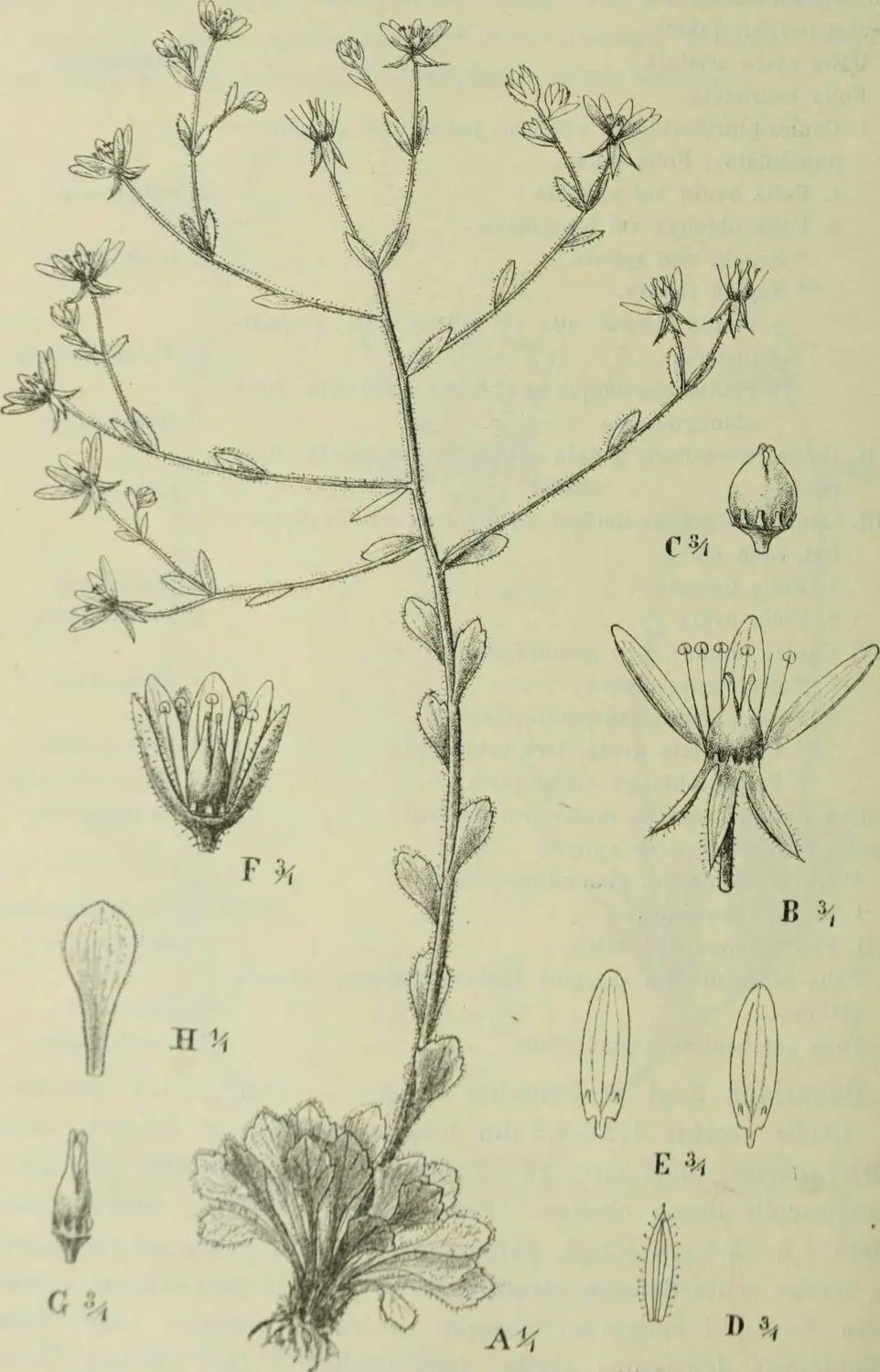
Saxifraga candelabrum: the flowering plant that confirms a 150-year-old hypothesis by Darwin
How does the Venus flytrap detect its prey? A 2025 study sheds light on its ‘sixth sense’
Growing Tillandsia from seed: a comprehensive guide to successful germination
Do Dionisian traps run on electricity?
How carnivorous plants digest their prey
Which plants can you grow on xaxim?