
Growing medium for carnivorous plants: why a specialised mix is the most reliable solution
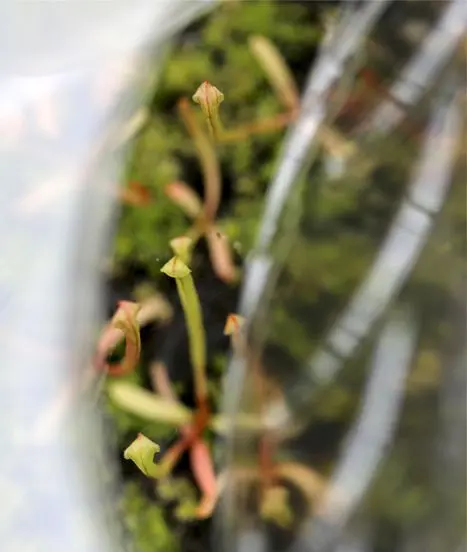
Sowing carnivorous plants is an exciting but also delicate process. Whilst the seeds may sometimes seem hardy, the first few weeks of development are in fact crucial. Of all the factors to manage, the growing medium plays a central role: it determines the moisture levels, aeration and stability of the environment in which the young seedlings will grow.
In this article, we’ll look at why a specialised mix for carnivorous plants provides the most reliable basis for successful sowing, what mistakes to avoid, and in which cases adjustments can be made without unnecessarily complicating the cultivation process.
Why a good growing medium is crucial at the sowing stage
At the time of sowing, carnivorous plant seeds require a consistently moist environment, but one that is never waterlogged. An unsuitable growing medium can quickly lead to problems: surface mould, damping-off, uneven germination or premature cessation of growth.
The growing medium must therefore fulfil several functions at once. It must retain enough water to prevent drying out, whilst remaining sufficiently aerated to allow gas exchange at the level of the emerging roots. It must also remain low in nutrients, as carnivorous plants are adapted to very oligotrophic environments.
A good growing medium does not ‘boost’ germination, but it prevents the majority of failures.
Why standard mixes are unsuitable
Many failures when sowing carnivorous plants are linked to the use of unsuitable growing media. General-purpose potting soils, even those labelled ‘light’, are almost always enriched with fertiliser or contain too much organic matter. They retain excessive amounts of water and compact rapidly.
Compost, horticultural potting mixes or recycled growing media pose the same problems, often compounded by microbial activity that is too intense for sensitive seeds. These growing media may appear to work for a few days, but they quickly become unsuitable for germination and seedling development.
When it comes to sowing, simplicity and consistency are key advantages.
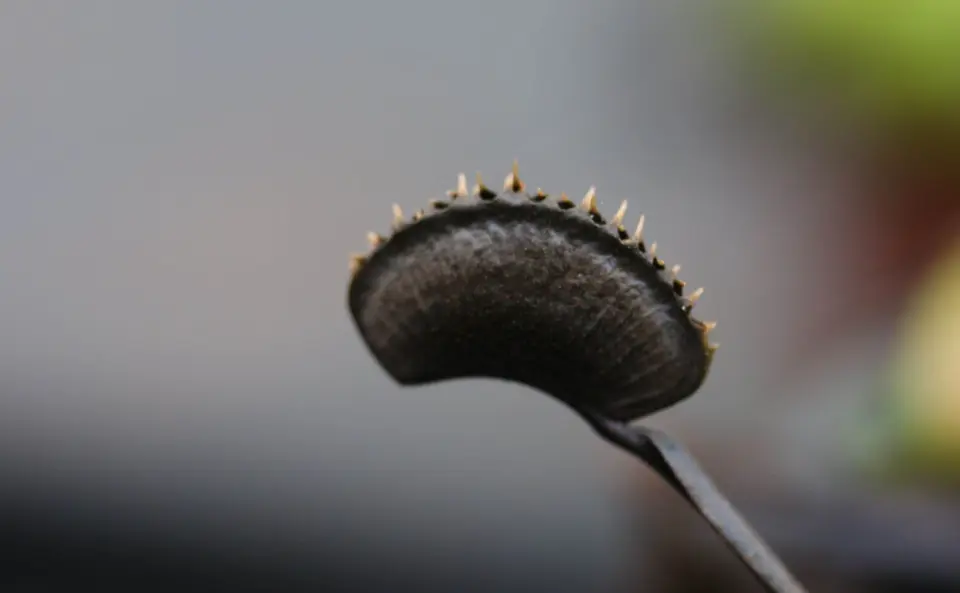
The special carnivorous plant mix: a reliable base for sowing
A special mix for carnivorous plants, made from unfertilised blond peat combined with a drainage agent, provides a tried-and-tested base for sowing. This type of mix replicates the natural conditions in which carnivorous plants thrive: constant moisture, the right level of acidity and the absence of assimilable nutrients.
This mix offers several key advantages at the sowing stage. It remains stable over time, is easy to moisten evenly and is sufficiently aerated to minimise the risk of mould. It also offers excellent reproducibility: the results obtained are consistent from one sowing to the next, which is essential for both beginners and more experienced growers.
It is for these reasons that a single, well-designed mix is more than adequate for the vast majority of carnivorous plant sowings.
What this mix actually offers for sowing
Using a special mix for carnivorous plants primarily helps to safeguard the most sensitive stage of cultivation. Moisture levels remain constant without creating waterlogged areas, the seeds stay close to the surface, and the young roots quickly find a suitable growing environment.
This type of growing medium also limits the growth of algae and mould, which are common problems when sowing in confined spaces. By reducing these risks, it allows the seedlings to develop gradually, without unnecessary stress, until they reach a stage where they become more resilient.
Does the mix need to be adapted to different species?
In most cases, no. A well-balanced, specialised mix for carnivorous plants is perfectly suited to sowing Drosera, Sarracenia and Dionaea. These genera share similar requirements during the juvenile stage, although their needs change as they grow.
It is sometimes possible to make slight adjustments, particularly regarding aeration or the fineness of the substrate, but these adjustments are neither essential nor recommended for beginners. Sticking to a common base helps to minimise errors and achieve reliable results, which is the main objective when sowing for the first time.
What about sphagnum moss for sowing?
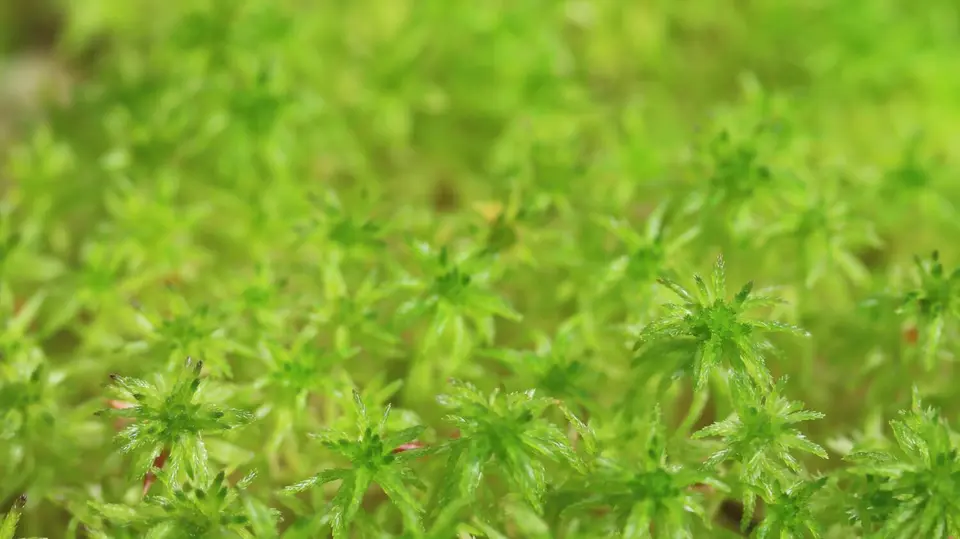
Sphagnum moss, whether live or dried, can be used in certain cases for sowing, but it is not a one-size-fits-all solution. Whilst it offers excellent water retention, it can also prove less stable in the long term or lead to excessive moisture if used on its own.
For sowing, sphagnum moss should be regarded more as an occasional or supplementary option, particularly for specific species or particular methods. For a simple, reliable and reproducible approach, the special carnivorous plant mix remains the safest option.
Growing medium and growing conditions: a question of balance
Even with an excellentgrowing medium, growing conditions remain important. Ambient humidity, temperature and light directly influence germination. However, a well-chosen growing medium can compensate for many mistakes and ensure the success of the seedlings, even in a confined environment.
The growing medium therefore remains the foundation upon which the entire success of the sowing process rests, regardless of the rest of the setup.
Conclusion
Successful sowing of carnivorous plants does not require a multitude of complex mixtures. A specialised carnivorous plant mix – simple, stable and well-designed – is the most reliable solution to support germination and the first few weeks of growth.
By prioritising consistency and simplicity, you can avoid the majority of problems and give yourself the best chance of success right from the start, before moving on to the next stages of sowing carnivorous plants.
FAQ – Growing medium for carnivorous plant seedlings
Why is the growing medium so important when sowing carnivorous plants?
At the sowing stage, seeds – and young seedlings in particular – are highly sensitive to excess water, poor aeration and overly nutrient-rich growing media. A suitable growing medium helps to maintain a constant level of moisture whilst preventing suffocation and mould.
Can you use a general-purpose potting compost for sowing carnivorous plants?
No. All-purpose potting soils are enriched with nutrients and retain too much water. They are unsuitable for carnivorous plants, which require a nutrient-poor, acidic and well-draining growing medium, particularly at the seedling stage.
What is a special mix for carnivorous plants?
This is a growing medium specifically designed to meet the needs of carnivorous plants. It is usually made up of unfertilised light-coloured peat mixed with a drainage material, providing a good balance between moisture, aeration and stability.
Is the same growing medium suitable for all species when sowing?
Yes, in most cases. A well-balanced, specialised mix for carnivorous plants is suitable for seedlings of Drosera, Sarracenia and Dionaea. Specific requirements mainly arise at more advanced stages of growth.
Can you sow seeds directly into sphagnum moss?
Sphagnum moss can be used in some cases, but it is not ideal as the sole growing medium for all seedlings. It retains a lot of water and can become too damp if not managed properly. A specialised mix is simpler and more reliable for beginners.
Does the growing medium affect the rate of germination?
Indirectly, yes. A suitable growing medium does not make the seeds germinate any faster, but it prevents unfavourable conditions that slow down or prevent germination, such as excess water, a lack of oxygen or mould.
Sources
International Carnivorous Plant Society (ICPS) – Sowing Seeds Step-by-Step
Guide: a step-by-step guide to sowing carnivorous plants
The Carnivorous Plant FAQ v. 12
– A well-known reference amongst growers
And our own experience, spanning more than 20 years!
For sale in the Karnivores shop
Love Growing guide & tips? Don't miss our plants and exclusive offers in the online shop.
Read next
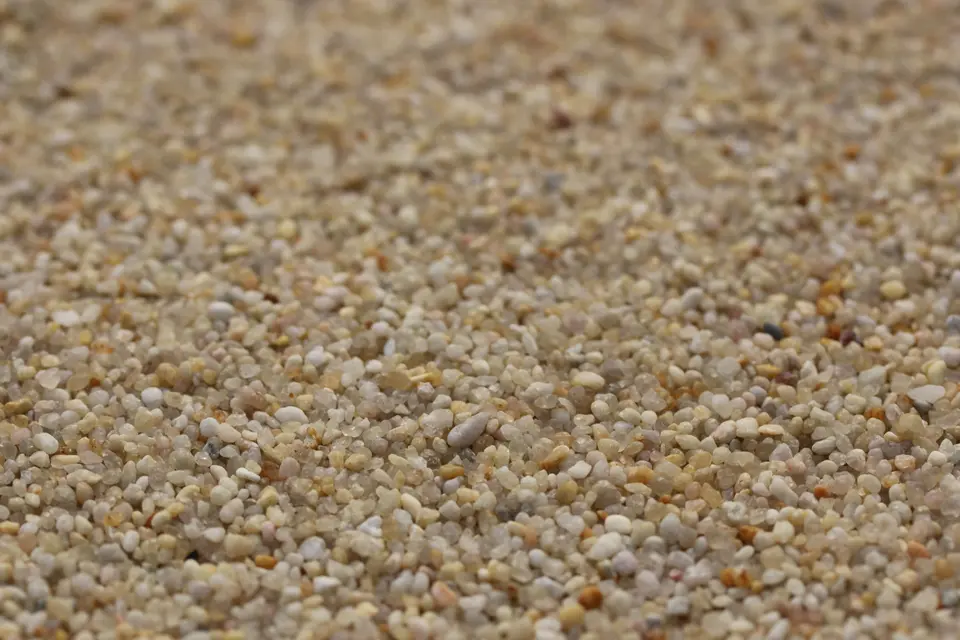
Quartz sand for carnivorous plants: what is it used for and how do you use it?
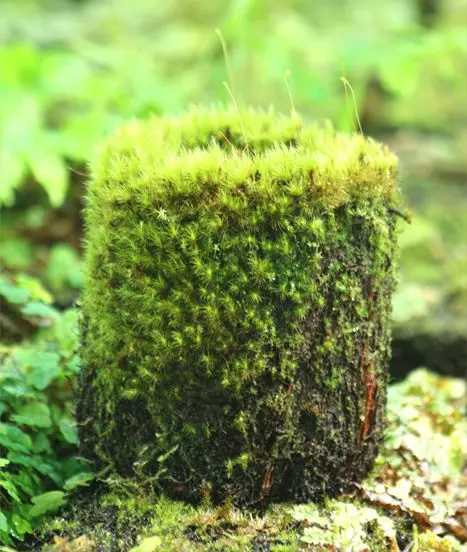
How to care for and maintain xaxim in a terrarium and a tropical greenhouse
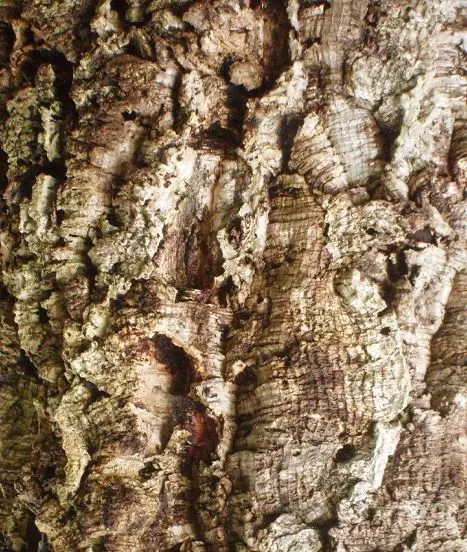
Cork oak bark: an ideal natural substrate for epiphytic plants and terrariums

Free delivery on orders of €59 or more until midnight on Sunday
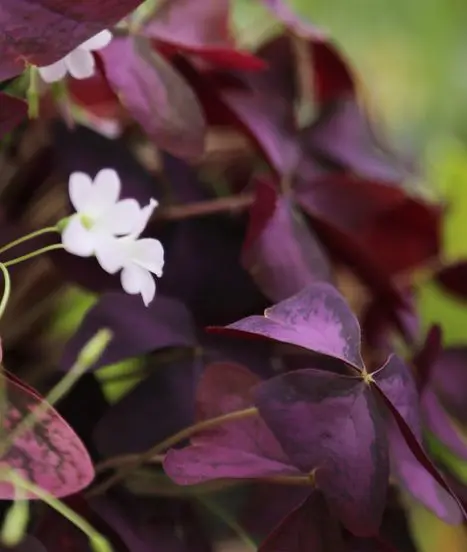
Oxalis triangularis: growing, care and tips

Dicksonia sellowiana: an iconic tree fern of the xaxim