
Geometry and prey capture in carnivorous plants
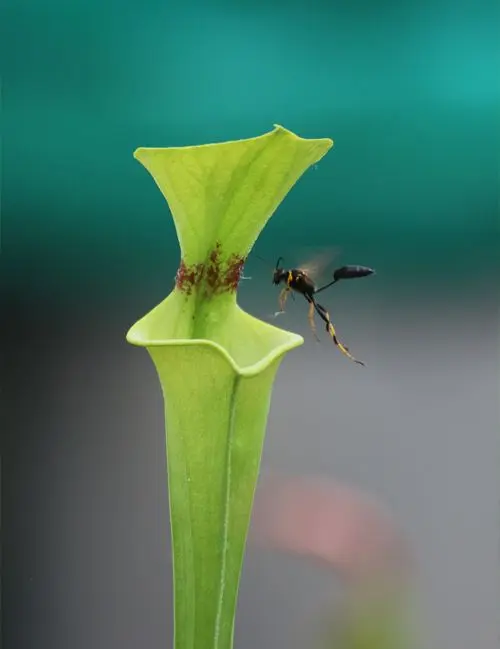
Researchers at the University of Oxford, in collaboration with the Mathematical Institute, have recently unveiled a groundbreaking study published in the Proceedings of the National Academy of Sciences (PNAS). Their research focuses on carnivorous plants of the genus Nepenthes, more commonly known as pitcher plants, which are found mainly in the tropical regions of South-East Asia. These plants are renowned for their cup-shaped traps designed to capture prey, usually insects.
The study, led by Dr Chris Thorogood of the Oxford Botanic Garden, sought to understand why these plants exhibit such a wide variety of shapes and sizes. The researchers discovered that the shape, size and geometry of pitcher plants influence the type of prey they are able to trap. Sarracenia plants use a well-known mechanism to capture their prey: a slippery rim at the top, called the peristome, covered with ridges that retain a thin film of water, causing the prey to fall into a digestive fluid at the bottom of the trap.
To study this diversity of shapes, the researchers applied mathematical models to plants cultivated at the Botanical Garden. They classified the shapes into four groups, thereby facilitating comparisons through mathematical reconstructions. Using a ‘point mass’ approach – equivalent to an insect sliding into the trap – they measured the hypothetical capture efficiency for each shape. Furthermore, the energy cost of producing the peristome was calculated, taking into account the relative surface area and slope of the different structures.
The results showed that the geometry of the peristome had a significant impact on the plant’s ability to capture certain prey. For example, highly flared peristomes appeared particularly well-suited to capturing walking insects such as ants. This diversity of shapes may be linked to the environment of pitcher plants, which grow in nitrogen-poor habitats such as mountains, marshes and tropical forests. By capturing nitrogen-rich insects, they gain a nutritional advantage over non-carnivorous plants.
The study also revealed that trap size correlated with the types of prey available in a given habitat. This adaptation would allow pitcher plants to maximise their capture efficiency according to the resources available.
In summary
Ultimately, this research demonstrates that the variety of shapes and sizes observed in carnivorous pitcher plants is an evolutionary response to the different prey available in their environment. Using mathematical models, the researchers have helped to unravel this botanical mystery and paved the way for future studies on these fascinating carnivorous plants at the Oxford Botanic Garden.

For sale in the Karnivores shop
Love Carnivorous plants? Don't miss our plants and exclusive offers in the online shop.
Read next
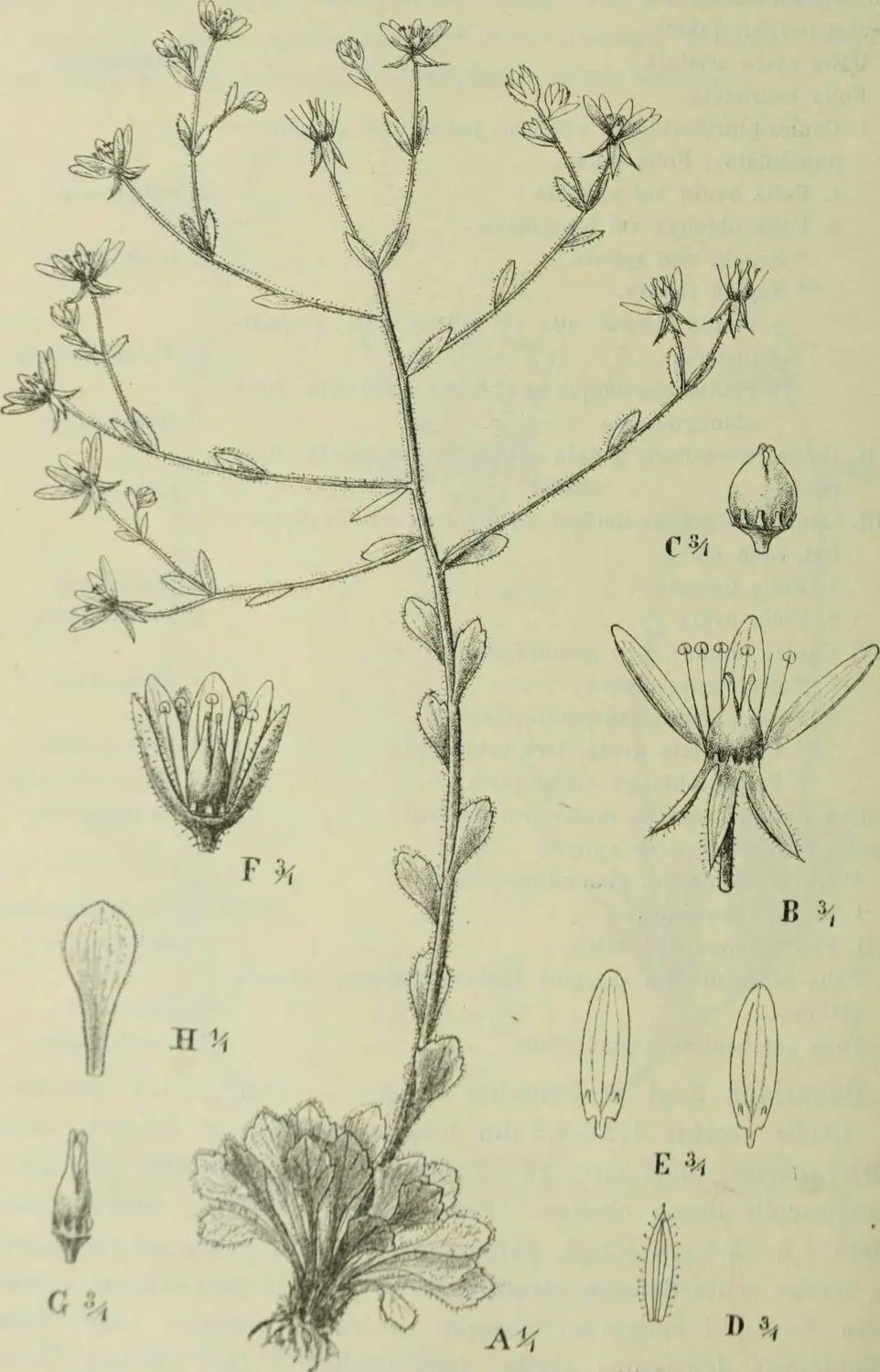
Saxifraga candelabrum: the flowering plant that confirms a 150-year-old hypothesis by Darwin
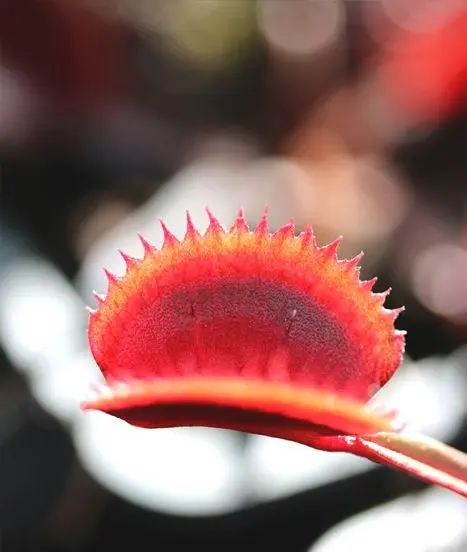
How does the Venus flytrap detect its prey? A 2025 study sheds light on its ‘sixth sense’
Growing Tillandsia from seed: a comprehensive guide to successful germination
Do Dionisian traps run on electricity?
How carnivorous plants digest their prey

Which plants can you grow on xaxim?