
Easy prey
Why go to the trouble of setting traps to catch insects when such traps are already ready-made? And if possible, by a plant, so as to avoid being attacked!
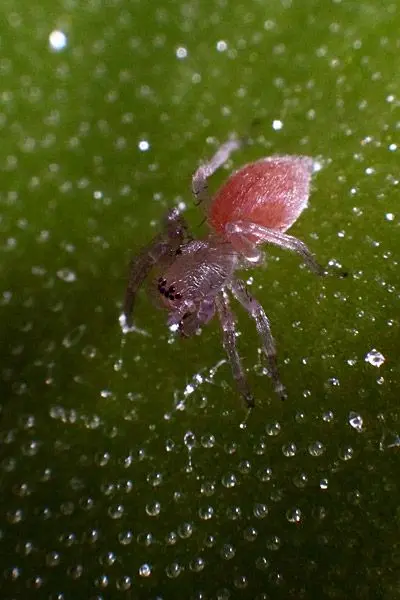
We’ve already seen a few instances of more or less chance opportunism on the part of spiders with regard to pitcher-trap carnivorous plants (Nepenthes and Sarracenia). Here’s another case, again involving a spider, which this time isn’t afraid to wander across the sticky leaves of Pinguicula…
Early in the morning, this charming pink spider, measuring 3 mm, was moving with relative ease across the mucilaginous glands, on the lookout for easy prey (trapped in the sticky substance, after all!) for its breakfast. It was just as well: the few insects that were there – ‘gnats’ (even if the term isn’t very scientific, we can always call them fruit flies) – were just the right size to feed her.
So she helped herself!
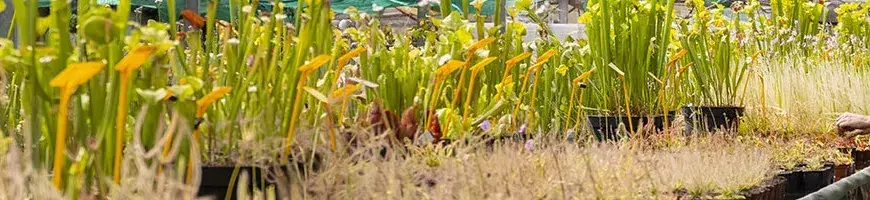
For sale in the Karnivores shop
Love Carnivorous plants? Don't miss our plants and exclusive offers in the online shop.
Read next
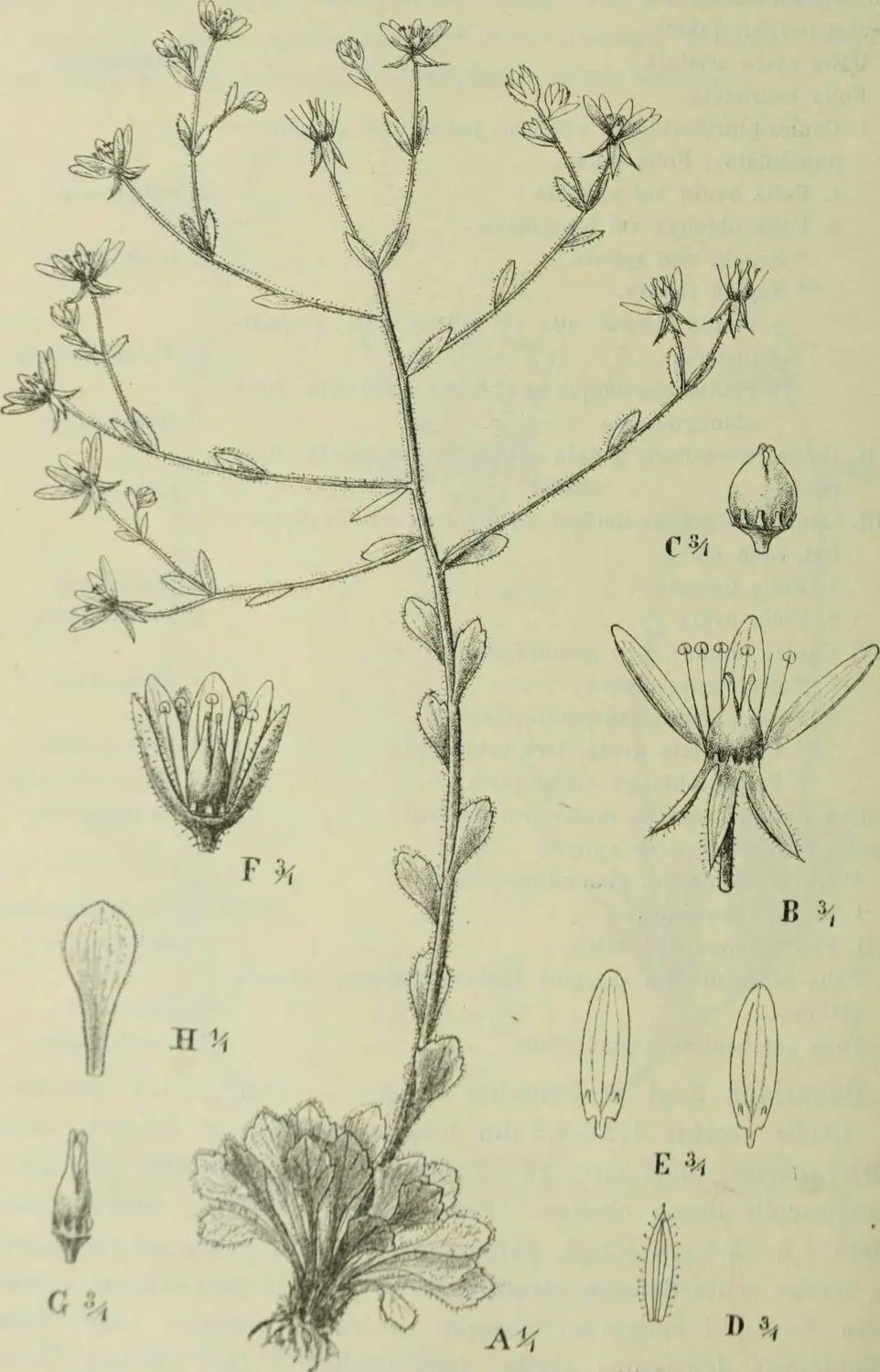
Saxifraga candelabrum: the flowering plant that confirms a 150-year-old hypothesis by Darwin
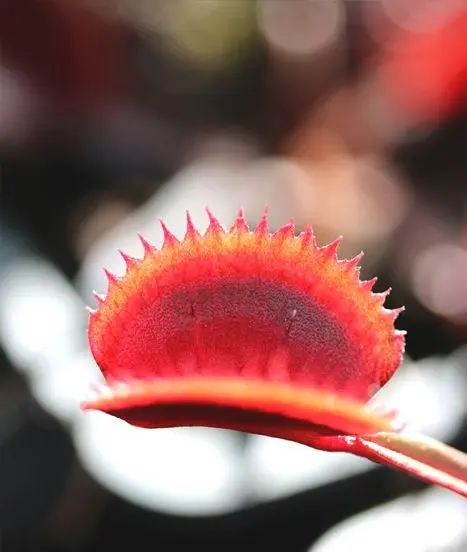
How does the Venus flytrap detect its prey? A 2025 study sheds light on its ‘sixth sense’
Growing Tillandsia from seed: a comprehensive guide to successful germination
Do Dionisian traps run on electricity?
How carnivorous plants digest their prey

Which plants can you grow on xaxim?